Trump Stands By Iran War Decision Despite Election Loss
Analysis of Trump's unapologetic stance on the Iran conflict and its impact on US politics and global markets.
Source: thepaper.cn
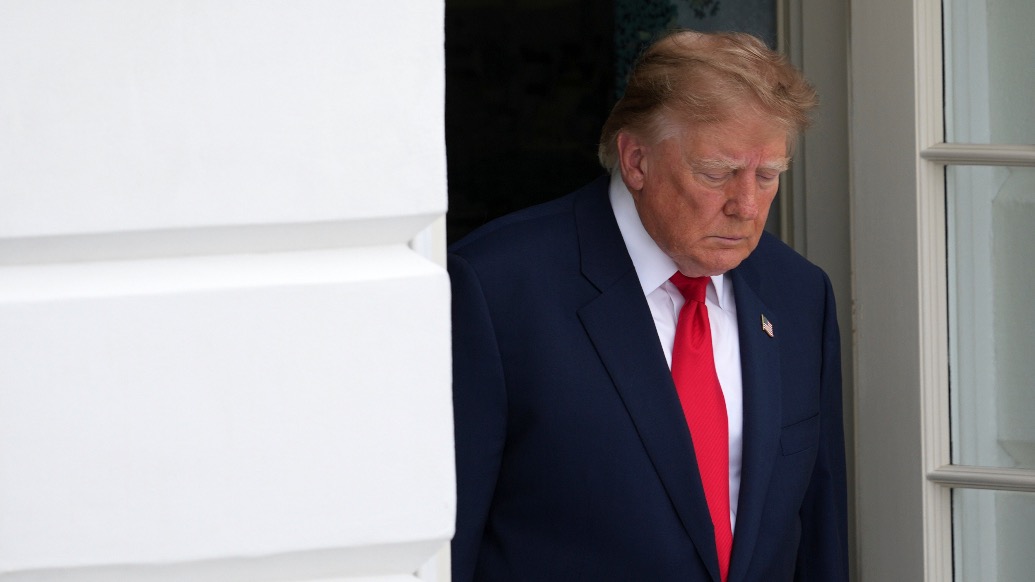
In the aftermath of a significant midterm election setback, former President Donald Trump has made headlines by declaring no regrets about his decision to engage in military conflict with Iran. This admission comes as political analysts scramble to understand the implications of his stance and how it might shape future Republican strategy. The timing of this revelation—immediately following electoral losses—has raised questions about whether Trump is positioning himself as a steadfast wartime leader or acknowledging policy missteps that may have contributed to the party's defeat.
Key Points
-
Election Impact: Trump acknowledged that the Iran conflict "largely caused" the Republican midterm losses, specifically noting how the war "temporarily drove up oil prices" and likely influenced voter sentiment. Despite this admission, he maintained that he would make the same decision again if faced with similar circumstances.
-
Market Consequences: The immediate economic fallout included a spike in global oil prices, which typically translates to higher transportation and production costs for businesses and consumers alike. This inflationary pressure likely contributed to economic concerns among voters, potentially influencing their electoral choices.
-
Geopolitical Ramifications: The conflict has further complicated US relations with both traditional allies and adversaries in the Middle East. Experts suggest that Trump's unilateral approach may have strained diplomatic channels that previous administrations had carefully cultivated over decades.
-
Domestic Political Divide: Trump's stance has created a clear fault line within the Republican Party, with some hawks supporting his decisive action while more moderate members express concern about the long-term strategic implications and human costs of the conflict.
-
Expert Analysis: According to Dr. Fan Hongda, Director of the China-Middle East Studies Center at Shaoxing University and visiting scholar at the National University of Singapore, "subsequent personnel adjustments in the administration will better reflect Trump's true intentions regarding foreign policy direction and military engagements."
In-Depth Analysis
Trump's unapologetic stance on the Iran conflict represents a significant moment in post-9/11 American foreign policy, marking a continuation of his "America First" doctrine that prioritizes unilateral action over multilateral consensus. The former president's willingness to accept electoral responsibility while simultaneously defending his decision creates a complex narrative that could resonate with his base while alienating moderate voters and independent voters who may prioritize diplomatic solutions over military intervention.
From a market perspective, the oil price volatility triggered by the conflict underscores the delicate balance between energy security and economic stability. As the world continues to transition toward renewable energy sources, such geopolitical flashpoints may increasingly influence not just short-term market fluctuations but also long-term investment strategies in the energy sector.
Looking ahead, Trump's position could signal a potential return to more interventionist foreign policy if he were to regain the presidency. This approach might appeal to voters who prioritize strong national defense but could face resistance from international partners and domestic constituencies concerned about the economic and human costs of prolonged military engagements. The coming months will likely reveal more about how the Republican Party navigates this divide and whether Trump's foreign policy vision becomes the dominant faction within the party.
Frequently Asked Questions
How might Trump's stance on the Iran conflict affect his 2028 presidential campaign? Trump's unwavering position could energize his core supporters who value decisive military action, but may alienate moderate Republicans and independents who question the economic and strategic wisdom of the conflict. His campaign will likely need to balance this hawkish stance with economic messaging to appeal to a broader electorate.
What are the potential long-term consequences of the Iran conflict on US foreign policy? The conflict may accelerate a realignment in Middle Eastern geopolitics, potentially leading to new alliances and partnerships. It could also influence defense spending priorities and military strategy for years to come, with implications for global stability and US influence in the region.
Source: https://www.thepaper.cn/newsDetail_forward_34414405
Related posts
Wendy's Rejects $1.4 Billion Trian Takeover Proposal
Wendy's has formally rejected a $1.4 billion buyout proposal led by Nelson Peltz, deeming the offer to undervalue the fast-food chain's turnaround strategy.
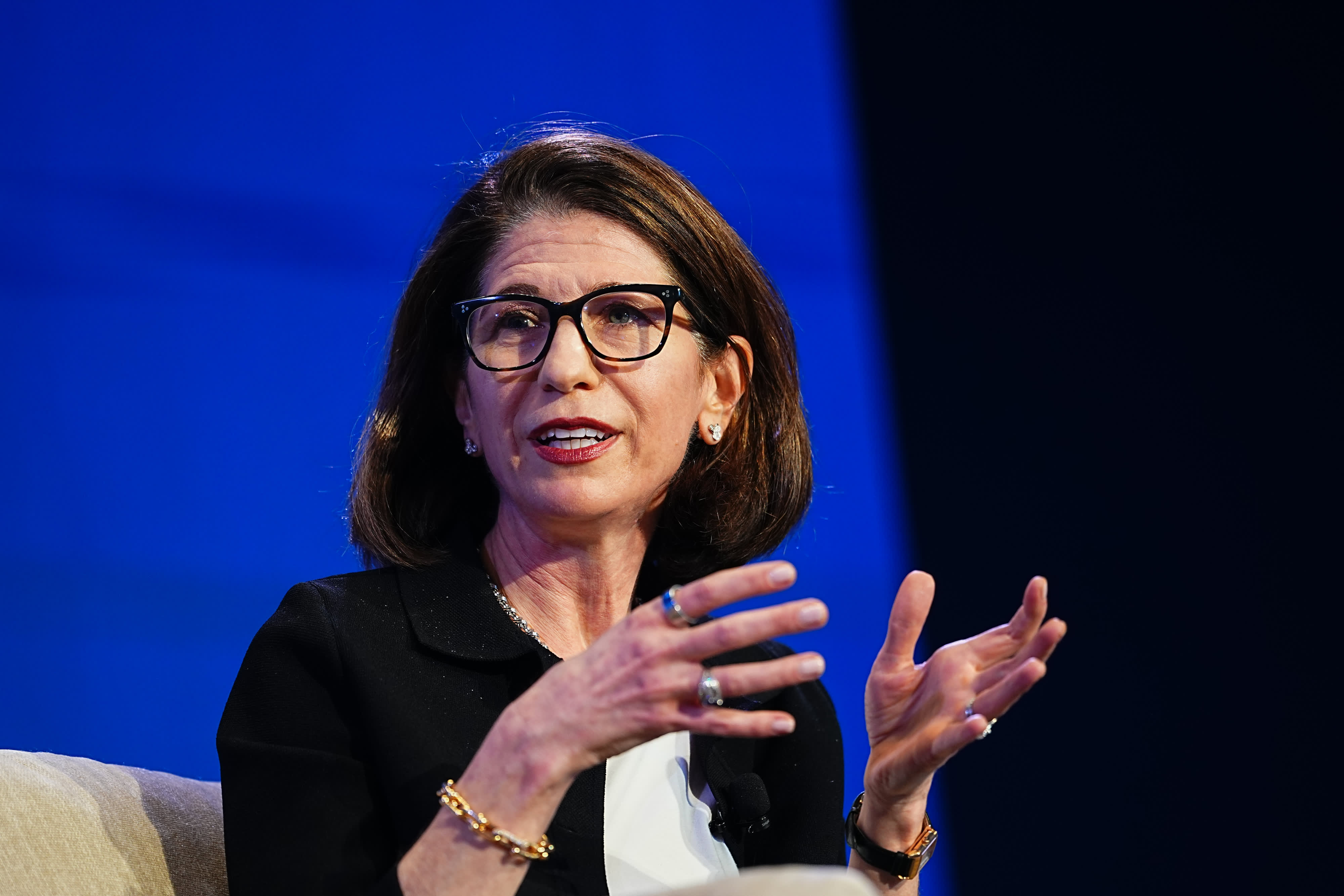
Expedia CEO: AI Agents Won't Replace Human Booking Trust Yet
Expedia CEO Ariane Gorin explains why AI travel agents haven't changed booking habits despite industry hype. Discover the future of travel tech and Expedia's strategy.
Marc Lore's Wonder Files for IPO: A New Era for Food Delivery
Wonder confidentially files for IPO, aiming to raise funds for expansion after securing $3B+ in funding.
Holiday Shopping Trends: Physical Gifts Trump Travel Despite Consumer Wishes
Visa survey reveals consumers desire travel experiences but prioritize physical gifts due to economic pressures and rising costs.
Ireland's Ambassador: CIIE Bridges Human Connections in a Divided World
How Ireland's top diplomat views the China International Import Expo as a vital platform for dialogue and trade amid global tensions.

Jishan County: How a Coal Town Achieved High-End Breakthrough
Discover how Jishan County transformed from a traditional coal-based economy into a specialized manufacturing hub through innovation and quality focus.
China Signs Landmark Agreement to Establish UNDP Global Sustainable Development Center in Shanghai
China and UNDP sign agreements to set up a new global hub in Shanghai, marking a historic shift in international development cooperation.
E.l.f. Beauty Reports 51% Sales Surge, Boosts Full-Year Outlook
E.l.f. Beauty exceeds expectations with 51% sales increase in Q2, raises full-year guidance as TikTok momentum drives growth.
Latest Articles
- Mogao Grottoes 45: Digital Access at Dunhuang Cultural Expo
- Binance $6.3 Billion Cyber Heist: Job Interview Ruse Exposed
- Trump Blames Fox News for Midterm Losses as Ratings Plummet
- CVS Health to Split into Two Companies in Major Healthcare Restructuring
- Netanyahu Era: End or Continuation in Israeli Politics?
- Midterm Elections: Blue Wave Hits as Trump Allies Blame Iran War