China Appoints New Ambassadors: Diplomatic Shifts in Europe, Pacific, and Nordic Regions
President Xi Jinping's recent diplomatic reshuffle involves key ambassadorial changes across Europe, the Pacific, and Nordic nations. Explore the strategic implications of these appointments and the evolving landscape of Chinese foreign policy.
Source: thepaper.cn
Diplomatic personnel changes are rarely just administrative updates; they are often the clearest indicators of a nation's strategic priorities and shifting geopolitical alignments. On November 6, 2026, China announced a significant reshuffle of its diplomatic corps, with President Xi Jinping formally appointing new envoys to several critical nations. This move signals a deliberate reconfiguration of China's diplomatic footprint, particularly in regions ranging from the Nordic countries to the Pacific Islands and Central Europe. By rotating key personnel, Beijing is not only ensuring that its diplomatic missions reflect current policy goals but also reinforcing the continuity of its diplomatic engagement with the world.
Key Changes in Diplomatic Assignments
- Nordic Region Overhaul: China has replaced its ambassador to Norway. Zhou Jingxing has been appointed to succeed Hou Yue, marking a potential fresh start in relations with Oslo. This follows a period of complex diplomatic interactions between the two nations.
- Strategic Rebalancing in Europe: The Czech Republic and Italy have seen leadership changes. Zhou Qian takes over from Feng Biao in Prague, while Hou Yue (the former Norwegian envoy) is now appointed to Italy and San Marino. This suggests a strategic focus on strengthening ties with Southern and Central Europe.
- Pacific Island Focus: The Pacific region remains a priority, with Yao Fei appointed to Kiribati, replacing Zhou Limin. Additionally, Chen Haiping takes over in Fiji from Zhou Jian, indicating a robust commitment to China's presence in Oceania.
- South Pacific Expansion: In New Zealand, Zhao Xing replaces Wang Xiaolong, who previously served as the envoy to New Zealand, the Cook Islands, and Niue. This consolidated role highlights the interconnected nature of China's diplomatic relationships in the region.
- Continuity of Leadership: The appointments demonstrate a mix of new blood and seasoned diplomats. Many of the incoming envoys have prior experience in international relations, ensuring that the new assignments are handled with the necessary expertise and political acumen.
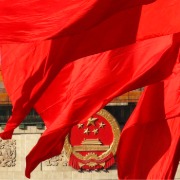
- Institutional Process: These changes were formally announced based on decisions made by the Standing Committee of the National People's Congress, adhering to the strict constitutional and legal processes for state appointments.
In-Depth Analysis
The recent ambassadorial reshuffle offers a window into the nuanced evolution of China's foreign policy architecture. Beyond the mere logistics of personnel changes, these appointments reflect a sophisticated understanding of regional dynamics and the importance of personal diplomacy.
Firstly, the shift in the Nordic region suggests a desire to stabilize and deepen economic and cultural exchanges. Norway is a significant player in energy and technology, and a new ambassador is often tasked with navigating the complexities of Western alliances while securing bilateral interests. The move to appoint Zhou Jingxing indicates a strategic emphasis on fostering dialogue in a region that has historically been cautious about China's rise.
Secondly, the appointments to Italy and San Marino are particularly telling. Italy is a key member of the G7 and a major economic partner in Europe. By appointing Hou Yue, who previously served in Norway, Beijing is leveraging her experience to navigate the delicate balance between European cooperation and competition. The inclusion of San Marino, a microstate, further demonstrates China's strategy of engaging with smaller nations to build a broad network of international support.
In the Pacific, the continuity of focus on Kiribati and Fiji is noteworthy. These nations are central to China's "Belt and Road" initiative and maritime security strategies. The fresh appointments of Yao Fei and Chen Haiping suggest that China is doubling down on its investments in the region, aiming to counter the influence of other global powers and secure its maritime interests.
Furthermore, the consolidation of roles, such as Wang Xiaolong's previous tenure covering New Zealand, the Cook Islands, and Niue, highlights the complexity of managing diplomatic relations in geographically dispersed but politically interconnected regions. The new appointee, Zhao Xing, will need to manage these multifaceted relationships, ensuring that China's interests are represented effectively across the South Pacific.
Looking ahead, these changes are likely to be followed by a wave of high-level visits and bilateral meetings. The new ambassadors will be tasked with translating these personnel shifts into tangible outcomes, from trade agreements to cultural exchanges. As China continues to assert itself on the global stage, the quality and strategic focus of its diplomatic corps will be critical in navigating the challenges and opportunities of the 21st century.
Frequently Asked Questions
Q: Why are ambassadorial changes significant in international relations?
A: Ambassadorial changes are significant because they often signal a shift in diplomatic priorities. A new ambassador brings fresh perspectives and may prioritize different aspects of the relationship, such as trade, security, or cultural exchange. It also allows a nation to recalibrate its approach based on the evolving geopolitical landscape.
Q: How does China select its ambassadors?
A: The selection process is rigorous and involves the Ministry of Foreign Affairs, the Central Committee of the Communist Party, and the Standing Committee of the National People's Congress. Candidates are typically experienced diplomats with a proven track record in international relations, often chosen for their loyalty and ability to represent China's interests abroad.
Q: What is the role of a Chinese ambassador to a foreign country?
A: The ambassador is the highest-ranking representative of China in that country. Their responsibilities include fostering diplomatic relations, protecting China's national interests, promoting economic and cultural ties, and reporting back to Beijing on the political and social developments in the host country.
Source: https://www.thepaper.cn/newsDetail_forward_34419434
Related posts

Grenada Election: Mitchell Wins Second Term, China Pledges Enhanced Cooperation
China congratulates Grenada Prime Minister Mitchell on reelection, emphasizing strengthened bilateral ties and mutual cooperation in the Caribbean region.
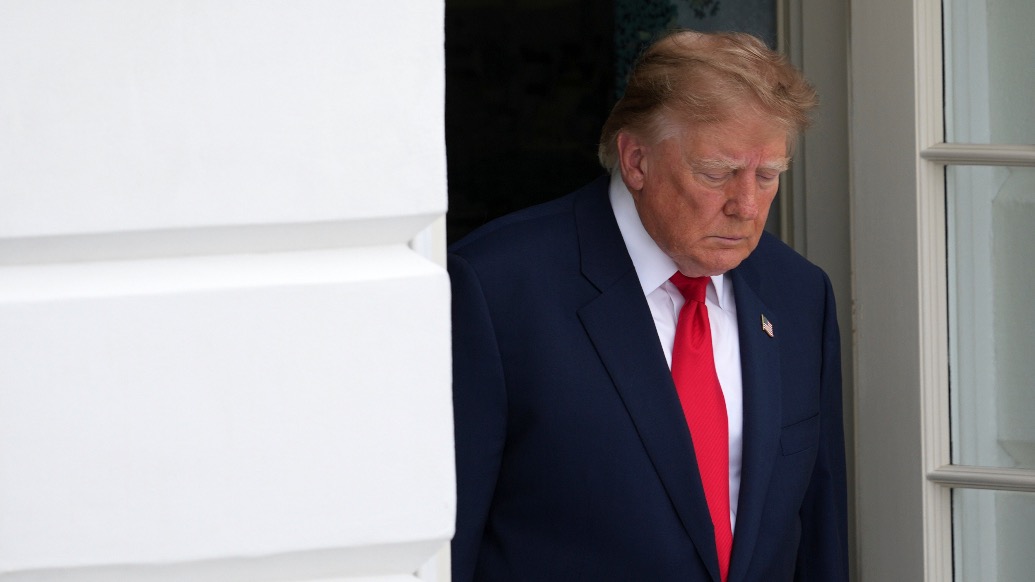
Trump Stands By Iran War Decision Despite Election Loss
Analysis of Trump's unapologetic stance on the Iran conflict and its impact on US politics and global markets.

Wendy's Rejects $1.4 Billion Trian Takeover Proposal
Wendy's has formally rejected a $1.4 billion buyout proposal led by Nelson Peltz, deeming the offer to undervalue the fast-food chain's turnaround strategy.
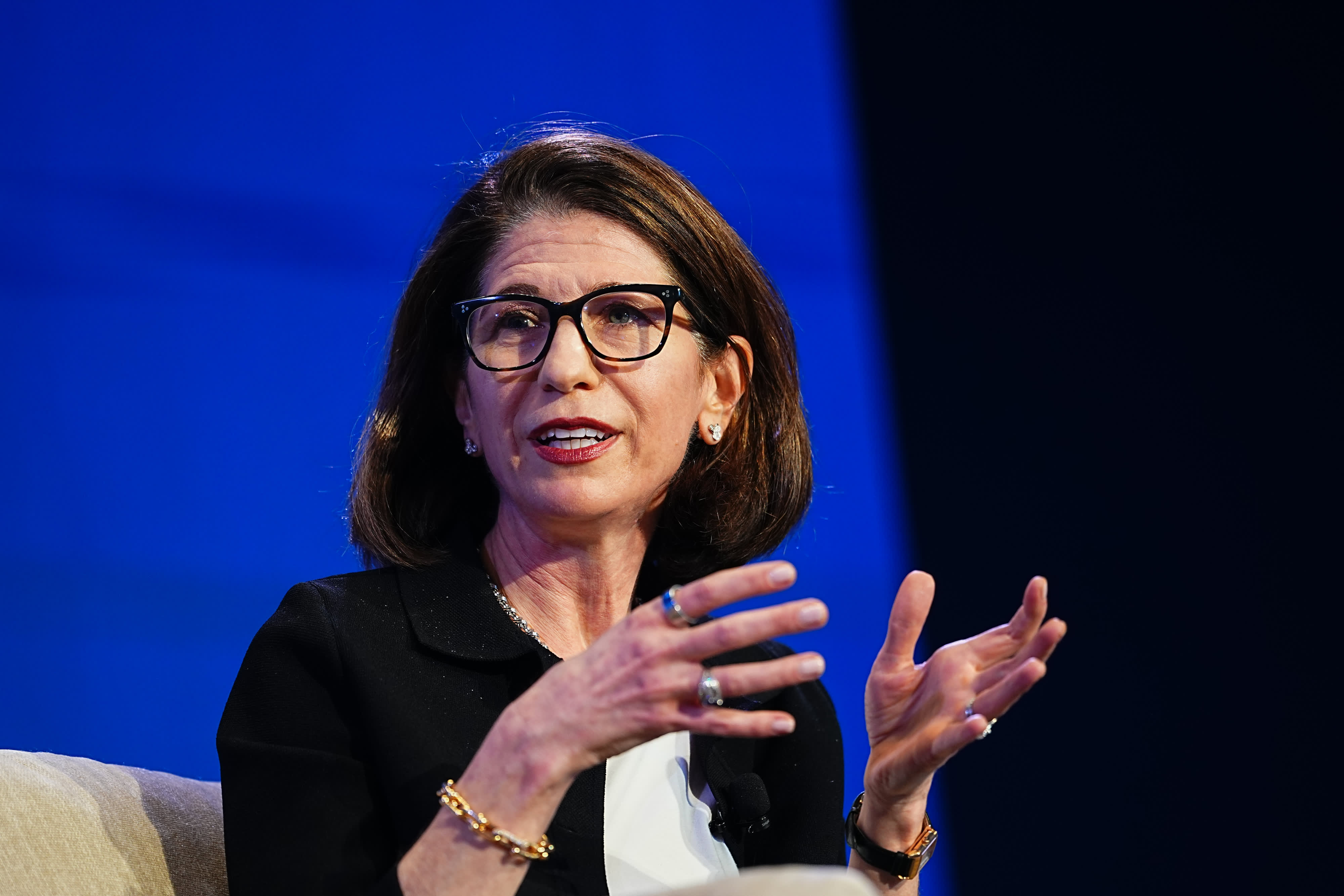
Expedia CEO: AI Agents Won't Replace Human Booking Trust Yet
Expedia CEO Ariane Gorin explains why AI travel agents haven't changed booking habits despite industry hype. Discover the future of travel tech and Expedia's strategy.
Marc Lore's Wonder Files for IPO: A New Era for Food Delivery
Wonder confidentially files for IPO, aiming to raise funds for expansion after securing $3B+ in funding.

Holiday Shopping Trends: Physical Gifts Trump Travel Despite Consumer Wishes
Visa survey reveals consumers desire travel experiences but prioritize physical gifts due to economic pressures and rising costs.
Ireland's Ambassador: CIIE Bridges Human Connections in a Divided World
How Ireland's top diplomat views the China International Import Expo as a vital platform for dialogue and trade amid global tensions.
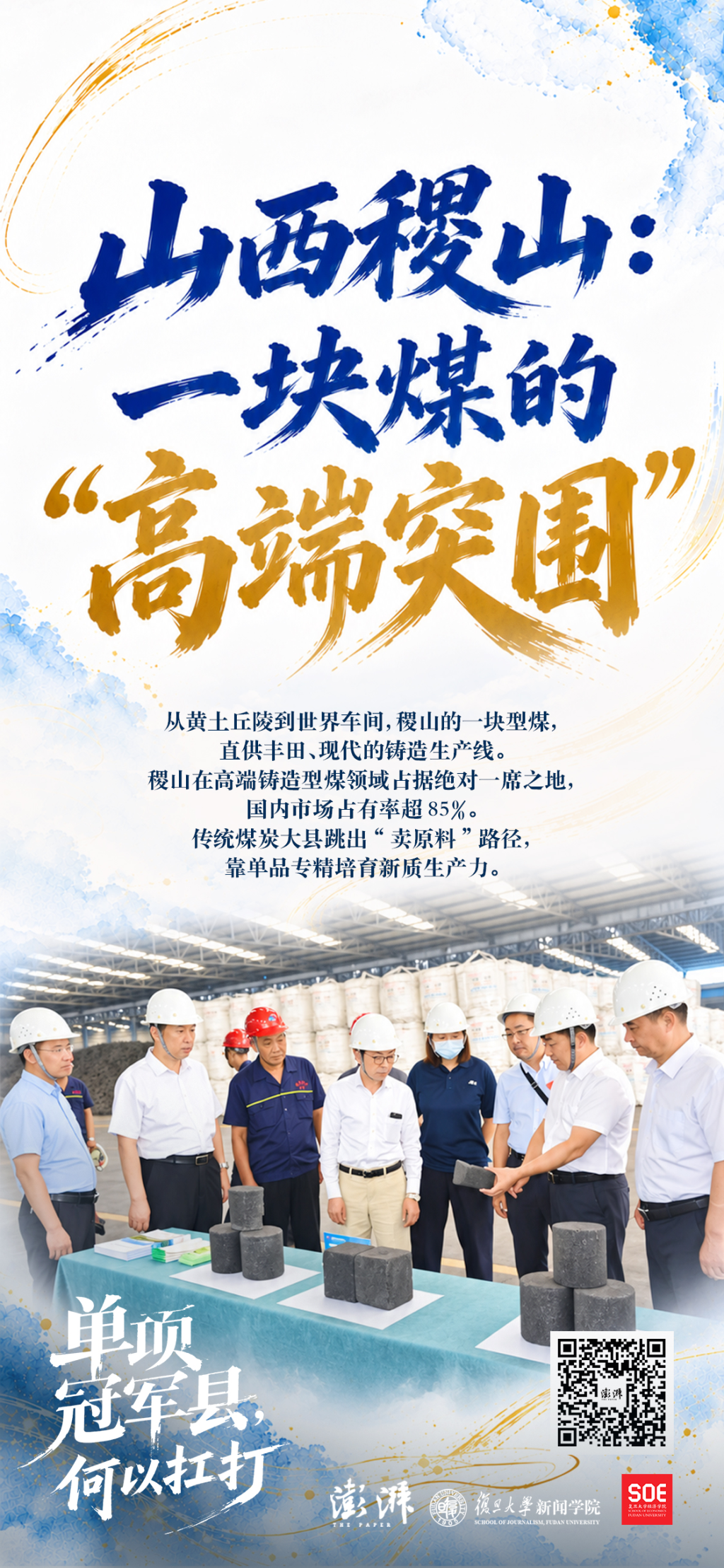
Jishan County: How a Coal Town Achieved High-End Breakthrough
Discover how Jishan County transformed from a traditional coal-based economy into a specialized manufacturing hub through innovation and quality focus.
Latest Articles
- China Signs Landmark Agreement to Establish UNDP Global Sustainable Development Center in Shanghai
- E.l.f. Beauty Reports 51% Sales Surge, Boosts Full-Year Outlook
- Mogao Grottoes 45: Digital Access at Dunhuang Cultural Expo
- Binance $6.3 Billion Cyber Heist: Job Interview Ruse Exposed
- Trump Blames Fox News for Midterm Losses as Ratings Plummet
- CVS Health to Split into Two Companies in Major Healthcare Restructuring