Automakers Face Challenging 2027 Amid Rising Costs and Market Pressures
Legacy automakers brace for tougher times in 2027 as inflation, Chinese competition, and flat production outlook threaten profits and growth.
Source: CNBC
The global automotive industry appears to be losing momentum as we approach 2027, with legacy automakers facing unprecedented challenges that could stall growth and pressure profits. After years of remarkable resilience, the industry now confronts a perfect storm of rising costs, weaker vehicle pricing, and intensifying competition from Chinese manufacturers. This confluence of factors has analysts warning of a potentially difficult year ahead, with many automakers already adjusting their forecasts and strategies in preparation for the tougher market conditions.
Key Challenges Facing Automakers in 2027
-
Inflationary Pressures: Automakers are grappling with persistent inflation that's driving up costs across the board. General Motors, for example, anticipates an additional $2 billion in inflation-related costs in 2027, stemming from commodity prices, logistics expenses, and critical components like DRAM chips. These chips are essential for modern vehicles, supporting everything from infotainment systems to safety-critical functions, making their cost fluctuations particularly impactful on automakers' bottom lines.
-
Chinese Competition: An influx of Chinese automakers is intensifying competition globally, particularly outside the United States. These manufacturers are gaining market share with competitive pricing and expanding product offerings, forcing legacy automakers to either match these prices or find new ways to differentiate their offerings. This pressure is especially acute in Europe, where several major automakers have recently reduced their earnings forecasts in response to Chinese market expansion.
-
Flat Production Outlook: Global light-vehicle production is expected to decline by 2.1% in 2026, with minimal growth projected for 2027. This slowdown comes after years of robust growth driven primarily by China's market expansion. The flat production outlook reflects both reduced consumer demand and the challenges automakers face in maintaining production levels amid cost pressures and supply chain constraints.
-
Pricing Constraints: With vehicle prices already at record highs—averaging over $50,500 in the U.S.—automakers have limited room to raise prices further to offset rising costs. The typical U.S. new-vehicle payment reached $776 monthly in September, the highest in nearly two years, raising concerns about affordability and potentially pricing consumers out of the market. This pricing dilemma forces automakers to seek alternative strategies to maintain profitability.
-
Regional Variations: The challenges aren't uniform across markets. While U.S. automakers remain relatively optimistic, European manufacturers face more severe headwinds including U.S. tariffs and restructuring costs. BMW, for instance, has announced restructuring measures that will reduce its automotive pretax earnings margin by 2.5 percentage points this year, though it expects positive effects to materialize in 2027 and beyond.
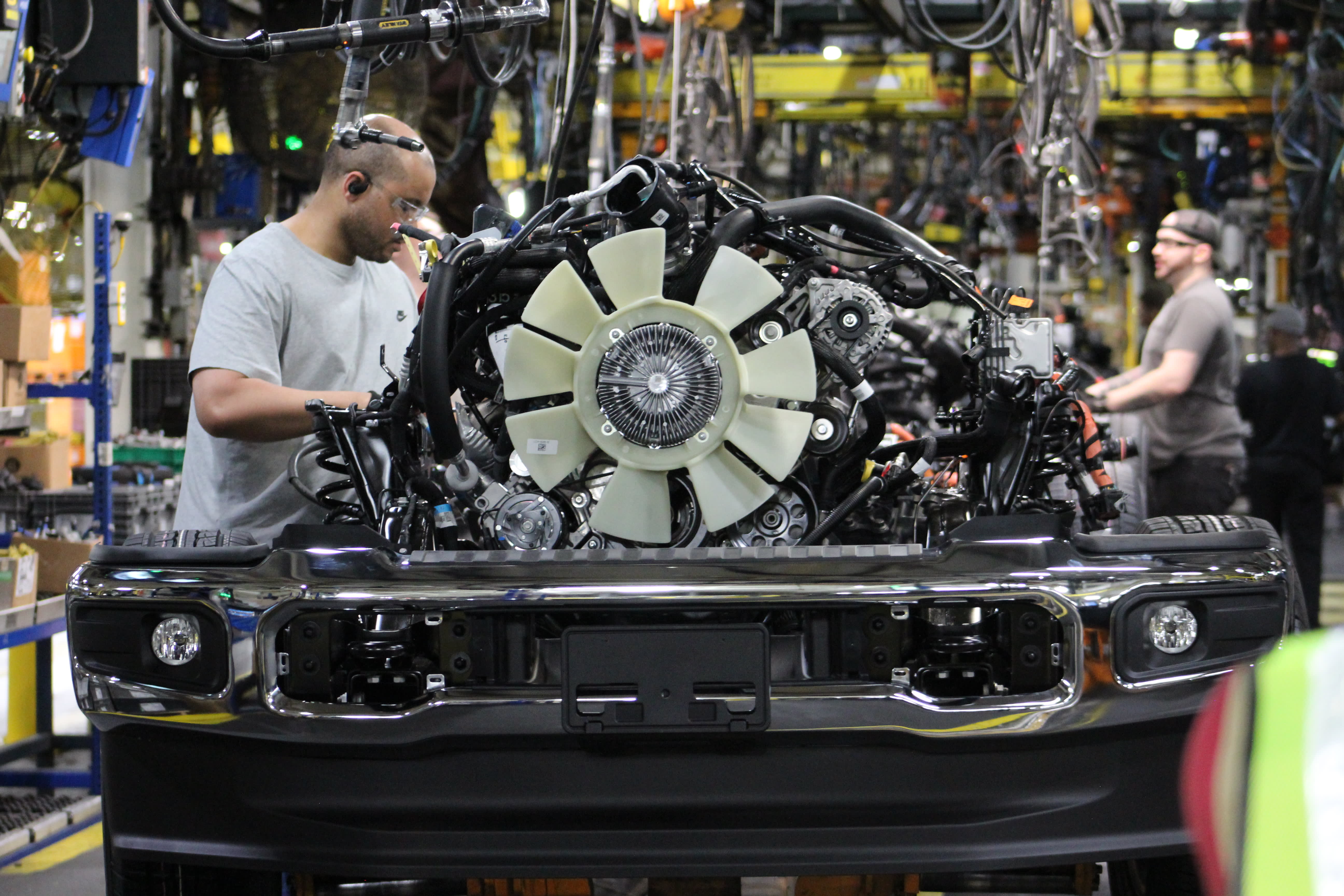
In-Depth Analysis
The automotive industry's current predicament represents a significant shift from the resilience it has demonstrated throughout this decade. Several converging factors have created this challenging environment, with inflation acting as the primary catalyst. Unlike previous economic downturns, today's automakers face the unique challenge of transitioning to electric vehicles while simultaneously managing traditional cost pressures and new competitive threats.
The industry's response has been multifaceted, with companies pursuing cost cuts, operational efficiencies, and focusing on higher-margin vehicles to offset external pressures. However, these measures have their limits, particularly as vehicle prices approach consumer affordability thresholds. The situation is further complicated by the uneven global recovery, with different regions experiencing varying levels of economic strength and consumer demand.
Looking ahead, 2027 may force automakers to make difficult strategic choices about pricing, product development, and market focus. Companies with strong hybrid offerings, like Toyota, may have a temporary advantage as consumers seek alternatives to fully electric vehicles amid infrastructure limitations. However, the long-term trajectory remains toward electrification, requiring continued substantial investment that will further pressure margins in the near term.
The industry's ability to navigate these challenges will likely determine which companies emerge stronger in the coming decade. Those who successfully balance cost management with innovation, particularly in electric and autonomous technologies, may position themselves for future growth. Meanwhile, the ongoing pressure from Chinese manufacturers will continue to accelerate industry consolidation and force legacy players to either adapt or risk losing market share permanently.
Frequently Asked Questions
What is causing the current challenges in the automotive industry? The industry is facing multiple headwinds including persistent inflation, rising costs for critical components like DRAM chips, intense competition from Chinese automakers, and a flat global production outlook. Additionally, vehicle prices have reached record highs, limiting automakers' ability to raise prices to offset these increased costs.
How are automakers responding to these challenges? Companies are implementing various strategies including cost cuts, operational efficiencies, restructuring measures, and focusing on higher-margin vehicles. Some are adjusting their production forecasts and earnings targets, while others are accelerating their transition to electric and hybrid technologies to maintain competitiveness in a changing market.
Which regions are most affected by these automotive industry challenges? European automakers appear to be facing the most severe challenges, with several major companies reducing their earnings forecasts in response to U.S. tariffs, Chinese competition, and rising costs. While U.S. automakers remain relatively optimistic, they're still grappling with affordability concerns and pricing pressures. Asian manufacturers like Hyundai have also adjusted their forecasts, though Toyota has shown some resilience with improved operating income.
Source: https://www.cnbc.com/2026/11/06/automakers-rising-costs-flat-production-2027.html
Related posts

Immersive Cinema Revolution: Cosm Dome Screens Redefine Premium Moviegoing
Explore Cosm's massive domed theaters, premium ticket pricing, and how they're transforming Hollywood classics and live sports into unforgettable experiences.

Global AI Governance: UN Official Calls for International Cooperation
UNDP Administrator emphasizes that AI must be governed globally to ensure shared benefits and equitable development.

Trump's 'Triumphal Arch' Project Halted as White House Rebrands as 'Military Triumphal Arch'
Federal judge blocks Trump's controversial monument project, while White House attempts rebranding amid growing opposition from political and legal sectors.

China Appoints New Ambassadors: Diplomatic Shifts in Europe, Pacific, and Nordic Regions
President Xi Jinping's recent diplomatic reshuffle involves key ambassadorial changes across Europe, the Pacific, and Nordic nations. Explore the strategic implications of these appointments and the evolving landscape of Chinese foreign policy.

IP SHANGHAI Unveils Digital Mascot 'Nolia' to Enhance City's Creative Identity
Shanghai's creative platform introduces 'Nolia,' a digital elf inspired by the city's iconic magnolia flower, marking its fifth anniversary with innovative digital integration.
Moderna's Q3 2026 Surge: 15-25% Revenue Growth Outlook Driven by New Vaccines
Moderna beats Q3 estimates with 29% revenue jump to $1.31B, raising 2026 outlook to 15-25% growth amid strong new mRNA Covid vaccine uptake and flu shot momentum.
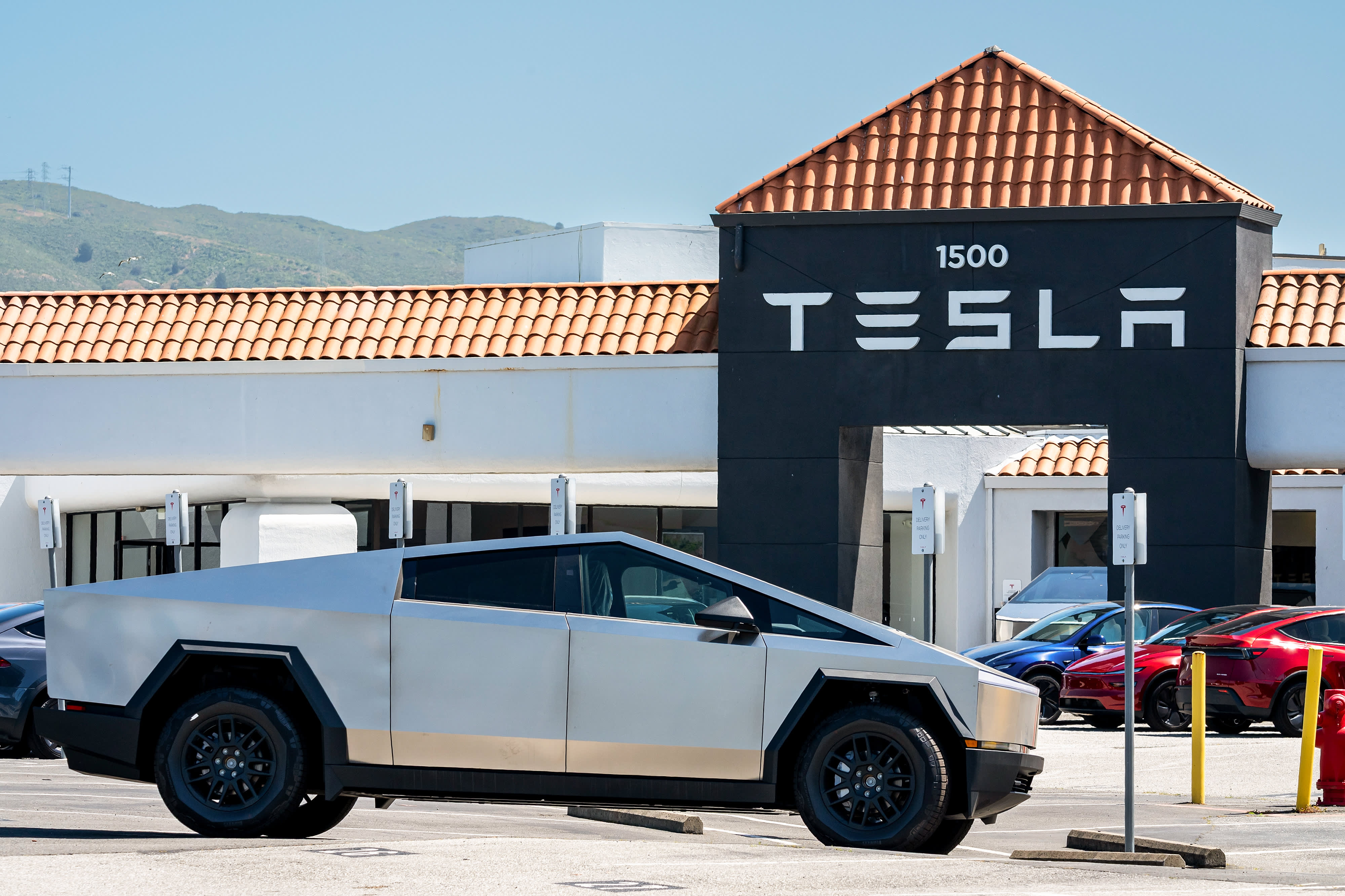
Tesla to Discontinue Cybertruck Production in Texas for Robotaxi Focus
Tesla plans to wind down Cybertruck production at its Texas gigafactory next year to make way for the Cybercab robotaxi, according to Elon Musk.

US Job Market Shows Strong Growth with 165,000 New Positions in October
The US economy added 165,000 jobs in October as unemployment fell to 4.1%, with wage growth slightly outpacing inflation in key sectors.
Latest Articles
- Trump Announces End of US Aid to Israel: Shockwaves in the Middle East
- Grenada Election: Mitchell Wins Second Term, China Pledges Enhanced Cooperation
- Trump Stands By Iran War Decision Despite Election Loss
- Wendy's Rejects $1.4 Billion Trian Takeover Proposal
- Expedia CEO: AI Agents Won't Replace Human Booking Trust Yet
- Marc Lore's Wonder Files for IPO: A New Era for Food Delivery