NVIDIA's Supply Chain Woes: $11.4 Million Theft Raises Concerns
NVIDIA faces growing supply chain challenges as $11.4 million in high-value computing equipment disappears during transit, highlighting risks in semiconductor logistics.
Source: thepaper.cn
In an increasingly competitive semiconductor industry, even industry giants like NVIDIA are not immune to supply chain vulnerabilities. The recent disappearance of $11.4 million worth of NVIDIA products during transit has exposed critical weaknesses in high-value electronics logistics, raising questions about security protocols in an industry where supply chain disruptions can have far-reaching consequences.
Key Points
- The Incident: In late August 2026, six pallets of NVIDIA products worth $11.4 million disappeared after being picked up by a truck in Oakland, California, destined for Fort Worth, Texas. The truck, bearing a food transport company's logo, made several stops before its trail went cold in San Bernardino County.
- Timeline: The buyer reported the undelivered goods in early September, with Oakland police confirming they received the report on September 13. The case only gained widespread media attention in early November, with no arrests announced as of November 9.
- Industry Context: High-value computing equipment has become a prime target for cargo theft in the United States. Despite a 33% year-over-year decrease in reported supply chain crimes in Q3 2026, estimated losses have actually increased by 12%, according to CargoNet.
- FBI Warnings: The FBI has noted an increase in fraudulent carrier impersonation and logistics account theft, suggesting sophisticated criminal networks are targeting semiconductor shipments.
- NVIDIA's Growth: Despite these challenges, NVIDIA continues to expand rapidly, with quarterly revenue reaching $96.2 billion, driven primarily by its $89 billion data center business. The company is extending its reach into chips, networking equipment, and data center design.
In-depth Analysis
The NVIDIA theft incident represents more than just an isolated criminal act—it underscores systemic vulnerabilities in global semiconductor supply chains. As companies race to meet AI and data center demands, the pressure to move high-value components quickly often creates security gaps that criminals exploit. The semiconductor industry's just-in-time delivery models, while efficient, leave little room for error when security breaches occur.
This incident occurs at a critical juncture for NVIDIA, which continues to dominate the AI chip market while facing increasing competition from AMD, Intel, and emerging players. The company's upcoming quarterly earnings report on November 17 will be scrutinized not only for financial performance but also for how these supply chain challenges might impact future operations.
The broader implications extend beyond NVIDIA to the entire tech ecosystem. As semiconductor components become increasingly valuable and specialized, supply chain security must evolve to match this value. Industry experts predict we'll see greater investment in blockchain tracking, tamper-proof packaging, and specialized logistics services for high-value electronics in the coming years.
Frequently Asked Questions
What specific products were stolen in the NVIDIA incident? While the exact product list hasn't been disclosed, given the $11.4 million value, the shipment likely contained high-end data center GPUs or AI accelerators, which represent NVIDIA's most valuable product categories.
How common is cargo theft targeting semiconductor companies? While exact statistics are proprietary, industry reports suggest semiconductor and electronics cargo represents a growing target category, with losses in this sector increasing faster than many other high-value goods categories.
Source: https://www.thepaper.cn/newsDetail_forward_34439625
Related posts
Shinzo Abe's Successor Faces Internal Party Penalty for Tax Reform Stance
Former PM Ishiba penalized by LDP for abstaining on consumption tax cut vote amid fiscal concerns. Read the analysis.

Global Diplomatic Shifts: Rubio's Paris Visit, Abu Dhabi Summit, and ASEAN Summit 2026
US Secretary of State Marco Rubio visits Paris for the G7, while Russia, the US, and Ukraine meet in Abu Dhabi. Plus, the 49th ASEAN Summit in Manila and COP31 in Turkey.

Climate Crisis as Economic and Security Issue: New Zealand Ex-Premier Helen Clark on COP31
Helen Clark urges global leaders to prioritize climate action as a core economic and security issue, not just an environmental concern, ahead of COP31 in Turkey.
Australian Youth Receive Letter from Chinese President: Building Friendship Across Borders
Chinese President Xi Jinping responds to 110 Australian university students, encouraging them to become torchbearers of China-Australia friendship and cooperation.
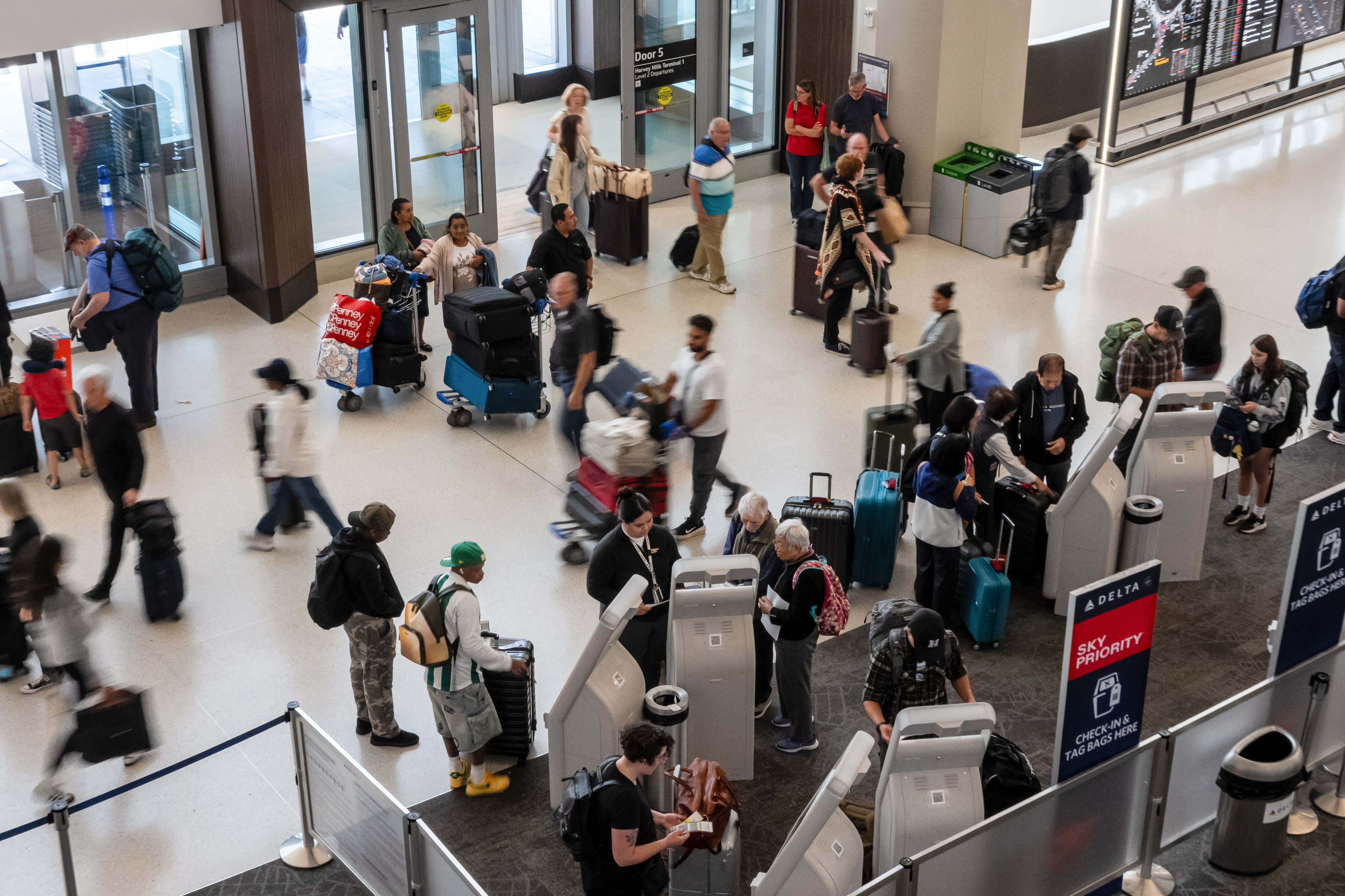
Thanksgiving Travel 2026: Why Frequent Flyer Miles Are Costing 32% More
Airlines have shifted to dynamic pricing, causing Thanksgiving flight miles to surge by 32%. Here is how to find the most expensive and cheapest award routes this holiday.
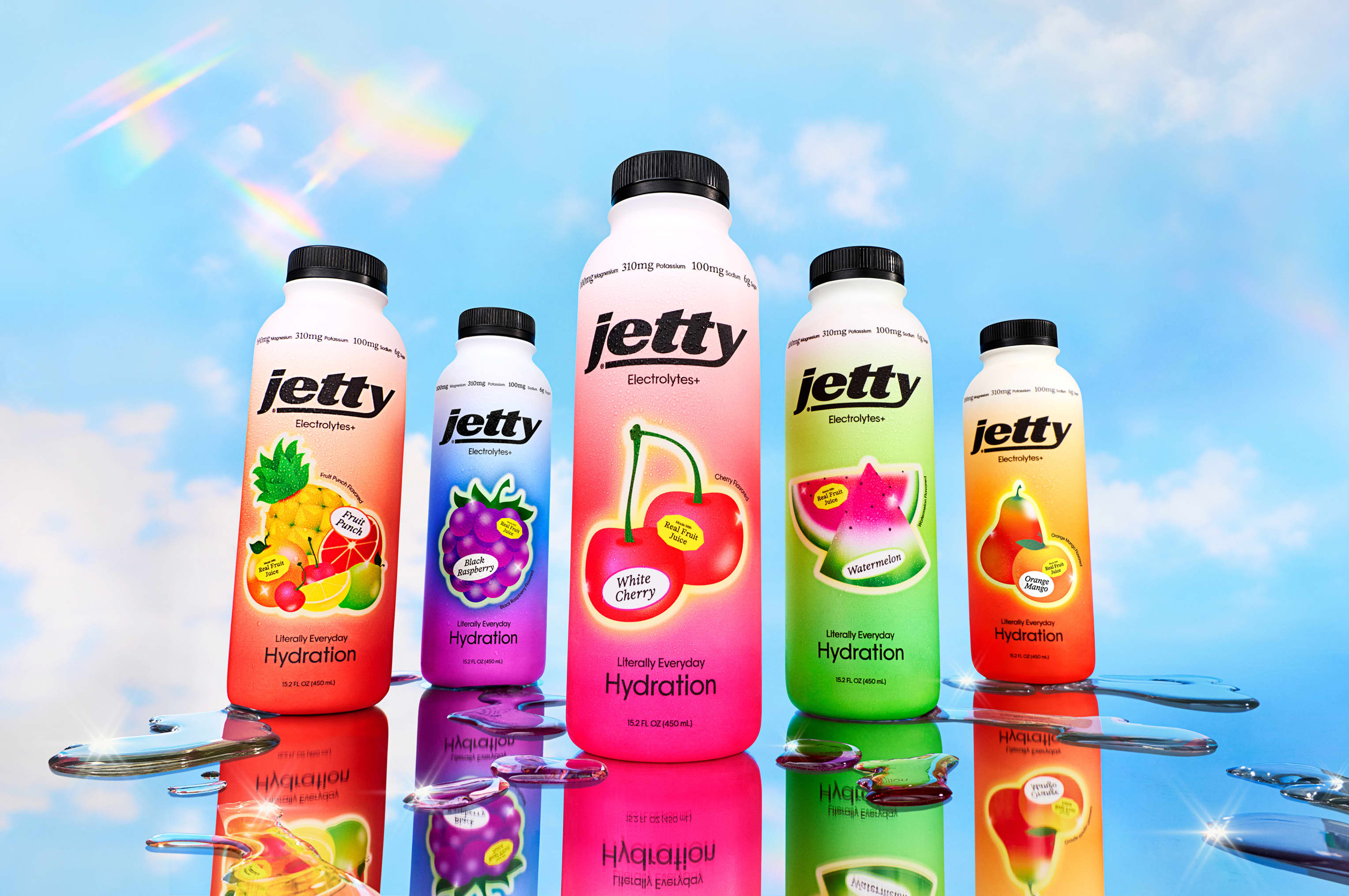
Poppi Founders Launch Jetty to Challenge Gatorade in Hydration Market
Allison and Stephen Ellsworth, behind Poppi's success, introduce Jetty to target everyday hydration with a focus on Gen Z and millennial moms.

China Urges Canada to Halt Support for Anti-China Activist and Stop Interfering in Internal Affairs
The Chinese Embassy in Canada demands an end to the protection of anti-China activist Joshua Wong and the cessation of interference in China's internal affairs, following a joint statement by Canadian and other foreign diplomatic departments on Wong's sentencing.

Immersive Cinema Revolution: Cosm Dome Screens Redefine Premium Moviegoing
Explore Cosm's massive domed theaters, premium ticket pricing, and how they're transforming Hollywood classics and live sports into unforgettable experiences.
Latest Articles
- Small Retailers Face Shipping Cost Crisis This Holiday Season
- Why Gold Prices Are Surprisingly Low
- Budget Crisis: How Libraries Become Essential Financial Lifelines
- Global AI Governance: UN Official Calls for International Cooperation
- Trump's 'Triumphal Arch' Project Halted as White House Rebrands as 'Military Triumphal Arch'
- China Appoints New Ambassadors: Diplomatic Shifts in Europe, Pacific, and Nordic Regions