Budget Crisis: How Libraries Become Essential Financial Lifelines
As living costs soar, Americans are turning to public libraries for free books, digital content, and community support. Discover how these institutions are adapting to economic pressures.
Source: NPR
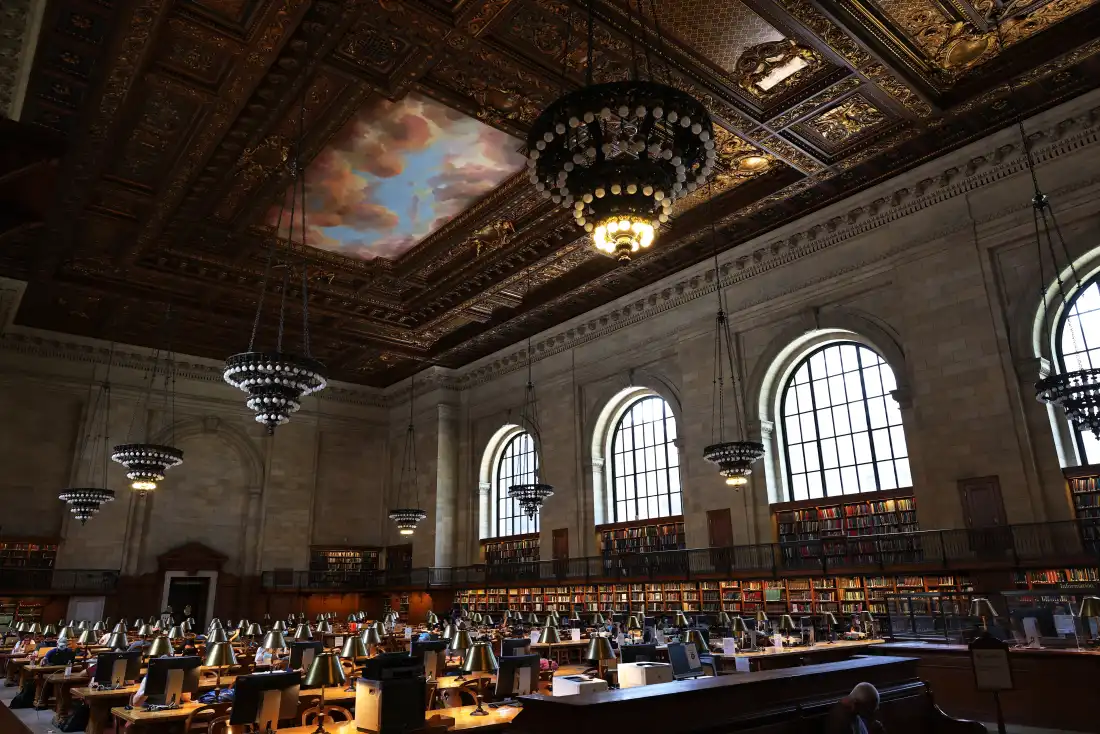
In an era of soaring inflation and tightening household budgets, the concept of the public library is undergoing a profound renaissance. What was once seen primarily as a quiet repository for physical books is now emerging as a critical safety net for communities facing financial strain. As the cost of basic necessities like rent, food, and healthcare continues to climb, millions of Americans are rediscovering the immense value of their local library card. This shift is not merely a trend but a survival strategy for many, driven by the urgent need to find affordable resources in an increasingly expensive world.
Key Takeaways
- Economic Downturns Drive Usage: Historical data and current trends indicate that library usage spikes during times of economic hardship. As discretionary spending shrinks, free community resources become indispensable.
- Beyond Books: A Holistic Resource: Libraries are evolving into multi-faceted hubs offering free digital entertainment, job search support, Wi-Fi access, and "library of things" rentals like camping gear and kitchen appliances.
- Digital Adoption Accelerated: The COVID-19 pandemic served as a catalyst, forcing patrons to acclimate to digital lending platforms like Libby and Kanopy, which are now integral to library services.
- Support for Vulnerable Populations: Libraries are stepping up to address food insecurity and homelessness, often serving as the only place where individuals can access free meals, showers, and social services.
- Funding Challenges Persist: Despite growing popularity, libraries face an uncertain future regarding federal funding, with political battles threatening the grants that support their operations.
In-Depth Analysis
The current surge in library attendance is a clear reflection of the widening gap between stagnant wages and the rising cost of living. For many, the library has transformed from a place of solitary study into a community sanctuary where one can escape the pressures of daily expenses. This shift is particularly evident among younger generations, including Gen Z and Millennials, who are utilizing libraries not just for reading but for digital access and social connection. The rise of social media trends like #BookTok has further fueled a cultural interest in reading, making libraries the go-to destination for discovering new titles without the burden of purchasing them.
Furthermore, the modern library has successfully pivoted to meet the practical needs of the 21st century. The concept of a "library of things"—lending out WiFi hotspots, sewing machines, and even induction cooktops—addresses a specific gap in consumer behavior. In a culture of consumerism, libraries allow patrons to test out expensive hobbies or tools before committing to a purchase. This is a strategic adaptation that resonates deeply with budget-conscious individuals who must be judicious about every dollar spent. Additionally, the provision of tech support for online job applications highlights the library's role as an essential equalizer, providing access to digital literacy tools that are often prerequisites for employment in the modern gig economy.
However, this renaissance is not without its challenges. While community demand is surging, the infrastructure that supports these libraries is facing a precarious financial situation. The American Library Association (ALA) has reported that federal funding for the Institute of Museum and Library Services (IMLS) remains under threat. The potential zeroing out of this funding poses a significant risk to the sustainability of library programs and collections. As libraries strive to provide more services with fewer resources, the delicate balance between meeting community needs and maintaining operational viability is becoming increasingly difficult to manage.

Frequently Asked Questions
Why are people using libraries more often?
The primary driver is the rising cost of living. With inflation making everyday items more expensive, libraries offer a cost-effective alternative for entertainment, education, and essential services. People are looking for free or low-cost ways to access books, movies, and the internet.
What services do libraries offer beyond books?
Modern libraries offer a wide range of services including free Wi-Fi, digital audiobooks and e-books, community meeting spaces, job search assistance, and "library of things" rentals such as sewing machines, baking tools, and camping gear.
Are library services free for everyone?
Yes, public library services are generally free to residents. While some specialized programs or events might require a small fee, the core services, including borrowing physical and digital materials, are funded by public tax dollars and designed to be accessible to all community members.

Source: https://www.npr.org/2026/11/05/nx-s1-5992908/libraries-and-cost-of-living
Related posts

Why Gold Prices Are Surprisingly Low
Explore the economic forces behind gold's decline, including rising Treasury yields and the impact of geopolitical tensions like the Iran War.
Small Retailers Face Shipping Cost Crisis This Holiday Season
As shipping costs surge, small businesses struggle to maintain profitability during the crucial holiday shopping period.

Immersive Cinema Revolution: Cosm Dome Screens Redefine Premium Moviegoing
Explore Cosm's massive domed theaters, premium ticket pricing, and how they're transforming Hollywood classics and live sports into unforgettable experiences.

Global AI Governance: UN Official Calls for International Cooperation
UNDP Administrator emphasizes that AI must be governed globally to ensure shared benefits and equitable development.

Trump's 'Triumphal Arch' Project Halted as White House Rebrands as 'Military Triumphal Arch'
Federal judge blocks Trump's controversial monument project, while White House attempts rebranding amid growing opposition from political and legal sectors.

China Appoints New Ambassadors: Diplomatic Shifts in Europe, Pacific, and Nordic Regions
President Xi Jinping's recent diplomatic reshuffle involves key ambassadorial changes across Europe, the Pacific, and Nordic nations. Explore the strategic implications of these appointments and the evolving landscape of Chinese foreign policy.

IP SHANGHAI Unveils Digital Mascot 'Nolia' to Enhance City's Creative Identity
Shanghai's creative platform introduces 'Nolia,' a digital elf inspired by the city's iconic magnolia flower, marking its fifth anniversary with innovative digital integration.
Moderna's Q3 2026 Surge: 15-25% Revenue Growth Outlook Driven by New Vaccines
Moderna beats Q3 estimates with 29% revenue jump to $1.31B, raising 2026 outlook to 15-25% growth amid strong new mRNA Covid vaccine uptake and flu shot momentum.
Latest Articles
- Tesla to Discontinue Cybertruck Production in Texas for Robotaxi Focus
- Automakers Face Challenging 2027 Amid Rising Costs and Market Pressures
- US Job Market Shows Strong Growth with 165,000 New Positions in October
- Trump Announces End of US Aid to Israel: Shockwaves in the Middle East
- Grenada Election: Mitchell Wins Second Term, China Pledges Enhanced Cooperation
- Trump Stands By Iran War Decision Despite Election Loss