Why Gold Prices Are Surprisingly Low
Explore the economic forces behind gold's decline, including rising Treasury yields and the impact of geopolitical tensions like the Iran War.
Source: NPR
The global financial landscape is currently experiencing a fascinating paradox. Despite ongoing geopolitical instability and economic uncertainty, one of the world's most traditional safe-haven assets is struggling to maintain its value. Gold, typically the go-to investment for investors fleeing volatility, has seen its price plummet to a one-year low, falling below $4,000 per ounce after hitting nearly $5,600 just months prior. This unexpected downturn forces us to reconsider the fundamental drivers of asset pricing in a complex market environment.
Key Takeaways
- Rising Treasury Yields: The primary driver of gold's decline is the sharp increase in Treasury bond yields. As yields rise, bonds become more attractive to investors seeking reliable income, drawing capital away from non-yielding assets like gold.
- Inflation Hedging Shift: While gold is traditionally viewed as an inflation hedge, it does not generate income or interest. In contrast, inflation-protected securities like TIPS offer real returns, making them a more compelling option during periods of rising prices.
- Geopolitical Impact: The ongoing Iran War has created political instability, which would typically drive investors toward gold. However, the war's immediate effect has been to spike oil prices, which in turn pushes interest rates higher, making bonds more attractive relative to gold.
- Economic Uncertainty: Despite the war and other global risks, the bond market is signaling confidence in the economy's resilience. The rise in yields suggests that investors are willing to accept higher interest rates in exchange for the perceived safety of government-backed debt.
- Asset Rotation: Investors are actively rotating their portfolios from safe-haven assets like gold into income-generating assets. This shift is a clear indicator of changing market sentiment and risk appetite.
In-Depth Analysis
The recent drop in gold prices reveals a critical shift in investor psychology. Historically, gold has been the ultimate safe harbor during times of crisis, a status cemented by its lack of correlation to other asset classes. However, the current market environment is challenging this long-standing narrative. The surge in Treasury bond yields is acting as a powerful magnet for capital, pulling money away from precious metals. This phenomenon underscores a fundamental truth about investing: when reliable income streams become available, investors are often willing to forgo the speculative potential of gold.
The role of the Iran War in this equation is complex. While geopolitical tension is a classic driver for gold demand, the war's economic fallout—specifically the spike in oil prices—is having the opposite effect. Higher oil prices contribute to inflationary pressures, which in turn cause central banks to maintain or raise interest rates. This creates a feedback loop where rising yields make bonds more attractive, further suppressing gold prices. It highlights how interconnected global markets are, where a conflict in one region can have ripple effects across the entire financial spectrum.
Furthermore, the comparison between gold and inflation-protected securities (TIPS) is particularly telling. Gold is often touted as a hedge against inflation, but it is a passive one; it does not pay interest. In contrast, TIPS are designed to protect investors' purchasing power while also generating real returns. As inflation data continues to be a focal point for investors, the income-generating potential of TIPS makes them a more logical choice for those concerned about the eroding value of money. This suggests that the era of gold as the default inflation hedge may be drawing to a close.
Looking ahead, the trajectory of gold prices will likely depend on the interplay between geopolitical events and monetary policy. If the Iran War escalates and triggers further instability, we may see a temporary rally in gold prices. However, unless there is a significant shift in interest rate policy or a major collapse in the bond market, gold is likely to remain under pressure. The current market is signaling a preference for assets that can provide both safety and income, a trend that could redefine the investment landscape for years to come.

Frequently Asked Questions
Why is gold not performing well despite the Iran War?
While the Iran War creates political instability, its most direct economic impact has been to raise oil prices. Higher oil prices contribute to inflation, which in turn pushes interest rates up. Rising interest rates make bonds more attractive, drawing capital away from gold.
What makes inflation-protected securities a better choice than gold?
Inflation-protected securities (TIPS) are designed to generate real returns above and beyond inflation. Unlike gold, which does not earn any income or interest, TIPS provide a reliable income stream, making them more appealing to investors seeking both safety and yield.
How does the rise in Treasury yields affect gold prices?
Treasury yields represent the return on government debt. As yields rise, bonds become more attractive to investors because they offer a safe and reliable income stream. This competition for capital draws money away from non-yielding assets like gold, causing their prices to fall.

Source: https://www.npr.org/sections/planet-money/2026/11/06/nx-s1-6030995/why-gold-prices-are-surprisingly-low
Related posts

Small Retailers Face Shipping Cost Crisis This Holiday Season
As shipping costs surge, small businesses struggle to maintain profitability during the crucial holiday shopping period.

Immersive Cinema Revolution: Cosm Dome Screens Redefine Premium Moviegoing
Explore Cosm's massive domed theaters, premium ticket pricing, and how they're transforming Hollywood classics and live sports into unforgettable experiences.
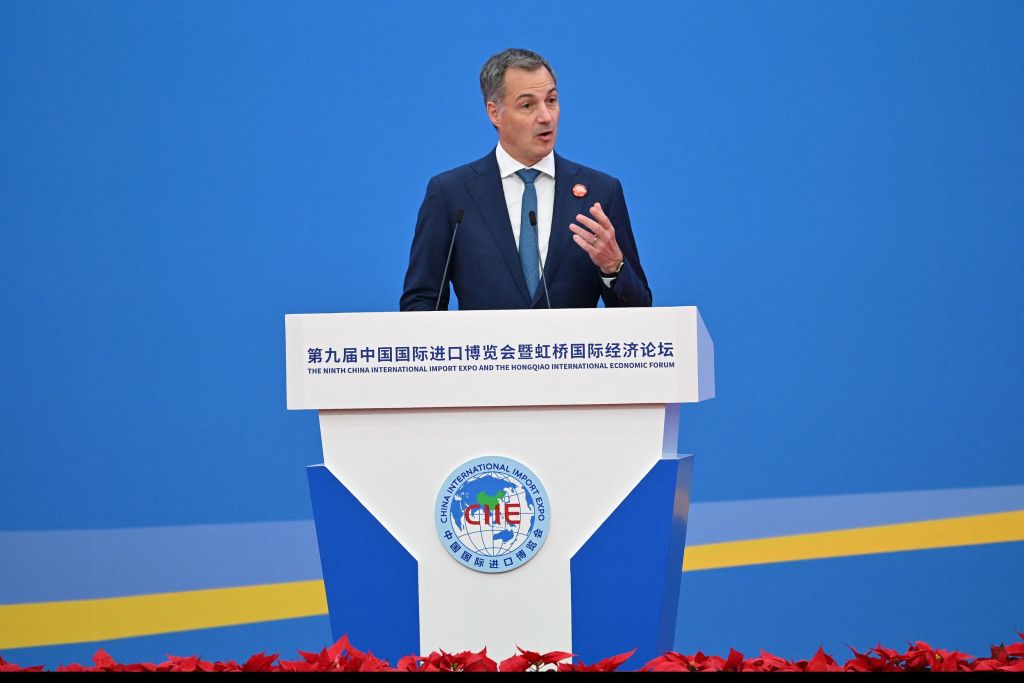
Global AI Governance: UN Official Calls for International Cooperation
UNDP Administrator emphasizes that AI must be governed globally to ensure shared benefits and equitable development.
Trump's 'Triumphal Arch' Project Halted as White House Rebrands as 'Military Triumphal Arch'
Federal judge blocks Trump's controversial monument project, while White House attempts rebranding amid growing opposition from political and legal sectors.

China Appoints New Ambassadors: Diplomatic Shifts in Europe, Pacific, and Nordic Regions
President Xi Jinping's recent diplomatic reshuffle involves key ambassadorial changes across Europe, the Pacific, and Nordic nations. Explore the strategic implications of these appointments and the evolving landscape of Chinese foreign policy.

IP SHANGHAI Unveils Digital Mascot 'Nolia' to Enhance City's Creative Identity
Shanghai's creative platform introduces 'Nolia,' a digital elf inspired by the city's iconic magnolia flower, marking its fifth anniversary with innovative digital integration.
Moderna's Q3 2026 Surge: 15-25% Revenue Growth Outlook Driven by New Vaccines
Moderna beats Q3 estimates with 29% revenue jump to $1.31B, raising 2026 outlook to 15-25% growth amid strong new mRNA Covid vaccine uptake and flu shot momentum.
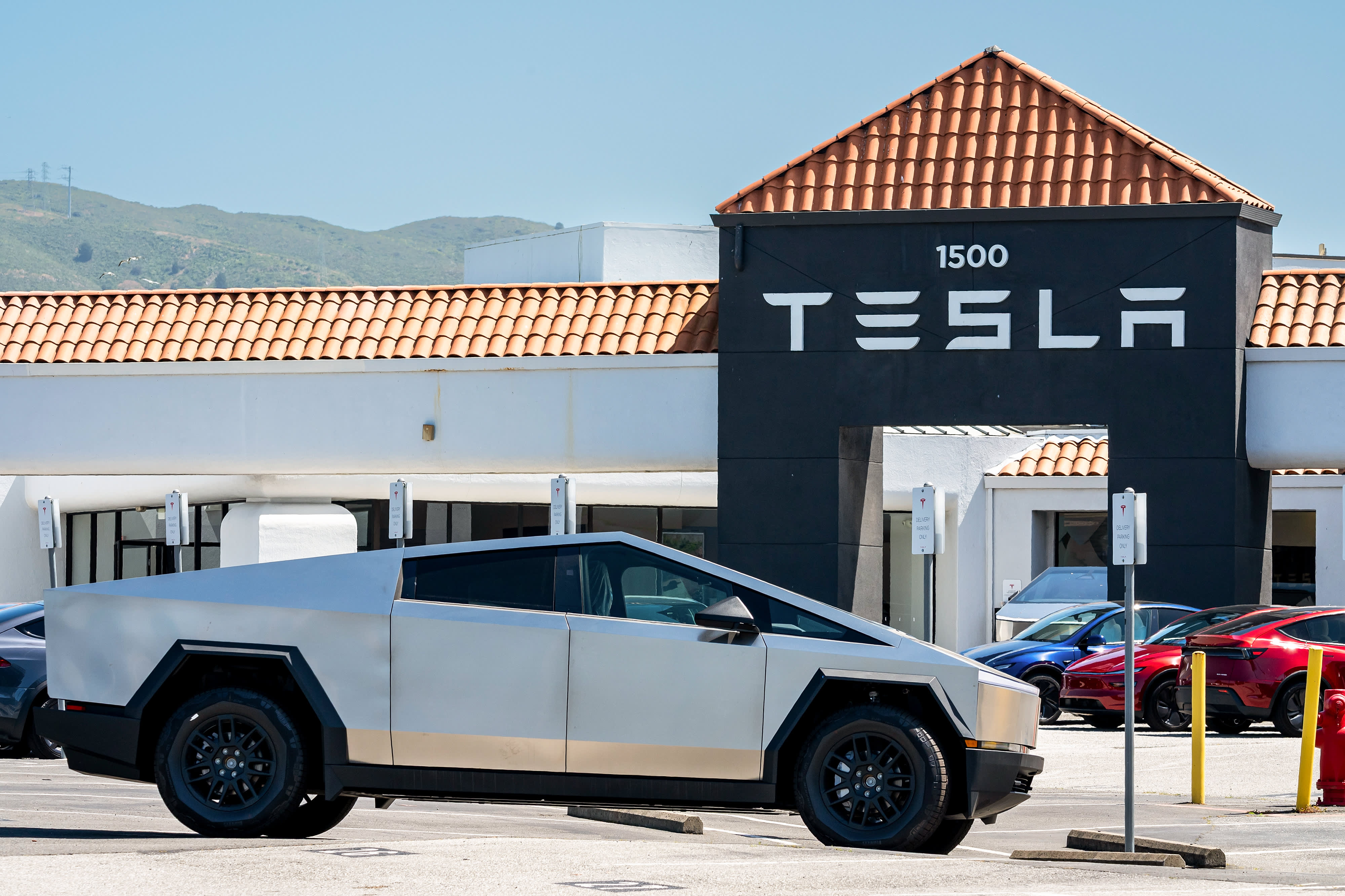
Tesla to Discontinue Cybertruck Production in Texas for Robotaxi Focus
Tesla plans to wind down Cybertruck production at its Texas gigafactory next year to make way for the Cybercab robotaxi, according to Elon Musk.
Latest Articles
- Automakers Face Challenging 2027 Amid Rising Costs and Market Pressures
- US Job Market Shows Strong Growth with 165,000 New Positions in October
- Trump Announces End of US Aid to Israel: Shockwaves in the Middle East
- Grenada Election: Mitchell Wins Second Term, China Pledges Enhanced Cooperation
- Trump Stands By Iran War Decision Despite Election Loss
- Wendy's Rejects $1.4 Billion Trian Takeover Proposal