Boeing Announces 5% Workforce Reduction in Commercial Airplane Division
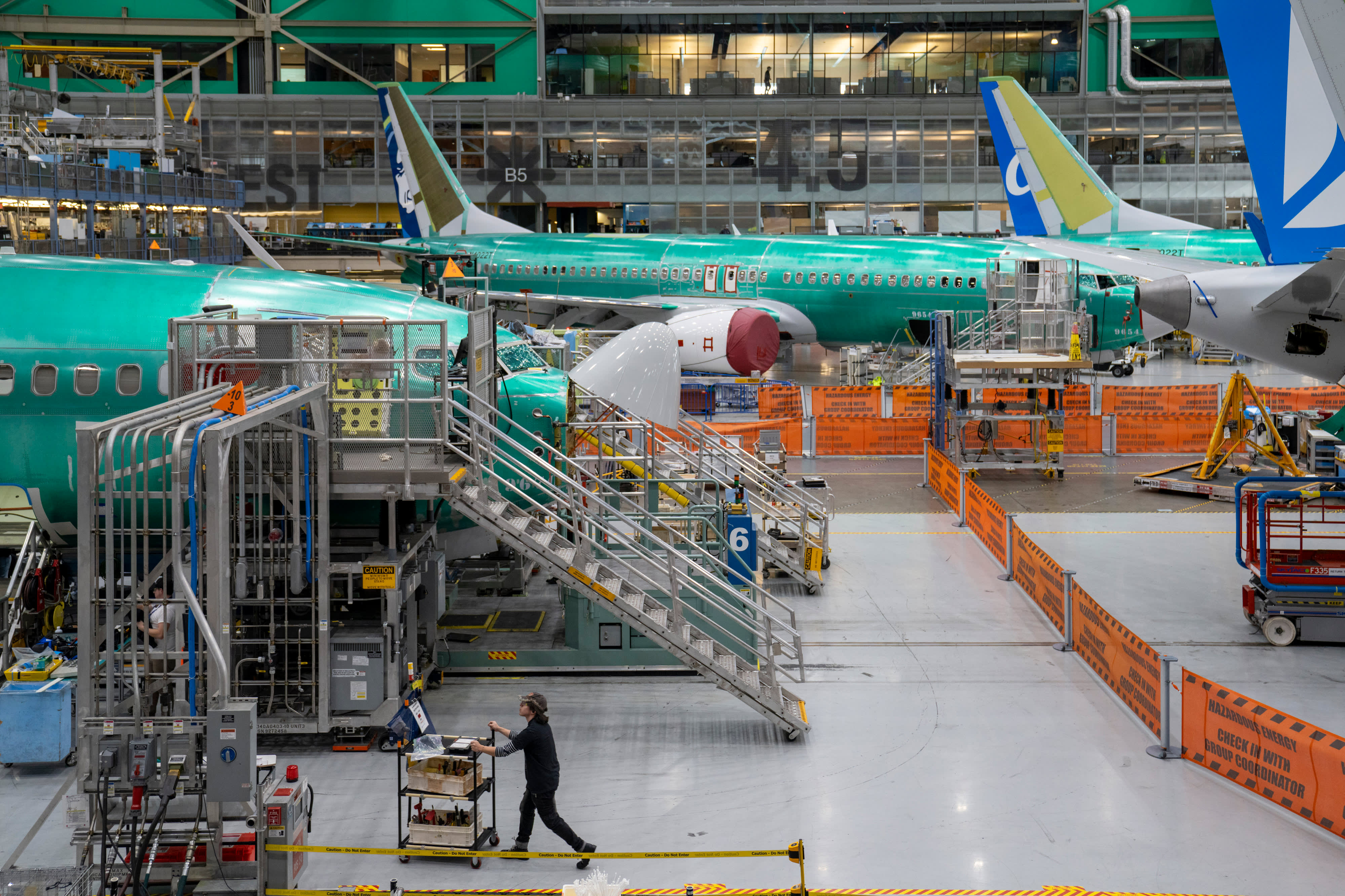
Boeing plans to cut 5% of its commercial airplane workforce as production ramp-up of 737 Max planes moves slower than expected, with notifications beginning in December.
Source: CNBC
The aerospace industry continues to face significant challenges as Boeing announces another round of workforce reductions, this time targeting its commercial airplane division. The decision comes as the company struggles to increase production rates of its popular 737 Max aircraft at the pace originally anticipated by management. This latest development underscores the persistent difficulties Boeing has encountered in stabilizing operations following previous production issues and regulatory challenges.
Key Points
- Boeing will reduce its commercial airplane workforce by approximately 5% through a combination of attrition and involuntary layoffs, with notifications set to begin in December.
- The workforce reduction comes as Boeing's production ramp-up for the 737 Max planes is moving slower than the company had expected, creating an overstaffed situation.
- Stephanie Pope, head of Boeing's commercial aircraft unit, stated that adjusting production schedules and reducing aircraft output has put the company in this position.
- Boeing CEO Kelly Ortberg revealed last month that the company doesn't expect to significantly increase output of its best-selling 737 Max aircraft until the second half of 2027.
- The manufacturer is targeting a production rate of 52 planes per month in the second half of 2027, currently manufacturing about 47 of its 737 Max planes monthly.
- This workforce adjustment represents Boeing's effort to align staffing levels with its revised business plan amid changing market conditions.
- The announcement reflects ongoing challenges in the aerospace manufacturing sector, particularly for companies dependent on single aircraft models.
- The reduction comes despite Boeing's efforts to stabilize production rates and regain market confidence following previous quality control issues.
In-Depth Analysis
Boeing's latest workforce reduction decision highlights the complex challenges facing the aerospace manufacturing industry in the post-pandemic era. The company's struggle to increase production rates of its 737 Max aircraft—despite being its best-selling model—reveals deeper operational issues that extend beyond temporary market fluctuations. The extended timeline for production ramp-up until the second half of 2027 suggests that Boeing may be facing more fundamental challenges in its supply chain, workforce training, or quality control processes than initially anticipated.
This development occurs against a backdrop of increasing competition in the commercial aviation sector, particularly from European manufacturer Airbus, which has been gaining market share in recent years. The aerospace industry's cyclical nature, combined with the massive capital investments required for aircraft manufacturing and long development cycles, creates a challenging environment for manufacturers attempting to right-size their operations.
Looking ahead, Boeing's workforce reduction may be seen as a necessary step toward operational efficiency, but it also raises questions about the company's ability to meet future demand as air travel continues its recovery trajectory. The aerospace industry's future will likely be shaped by how effectively companies like Boeing can balance workforce optimization with maintaining the skilled labor necessary for complex manufacturing processes. Additionally, the industry faces growing pressure to address sustainability concerns and develop more fuel-efficient aircraft, requiring significant R&D investment that may further strain resources.
Frequently Asked Questions
Why is Boeing reducing its workforce despite being a major aerospace manufacturer? Boeing is reducing its workforce because its production ramp-up is occurring more slowly than expected, creating an overstaffed situation. The company needs to align its staffing levels with its revised business plan and production targets.
How does this reduction compare to Boeing's previous workforce adjustments? While this specific 5% reduction is targeted at the commercial airplane division, it represents part of Boeing's broader efforts to optimize operations. Previous workforce adjustments have been more extensive and company-wide, often responding to more severe financial pressures or strategic shifts.
What impact might this have on Boeing's production timeline for the 737 Max? The workforce reduction is unlikely to significantly alter the production timeline, as Boeing has already indicated it doesn't expect substantial production increases until the second half of 2027. The adjustment appears to be aligning resources with this existing timeline rather than changing it.
Source: https://www.cnbc.com/2026/11/09/boeing-layoffs-commercial-airplane.html
Related posts
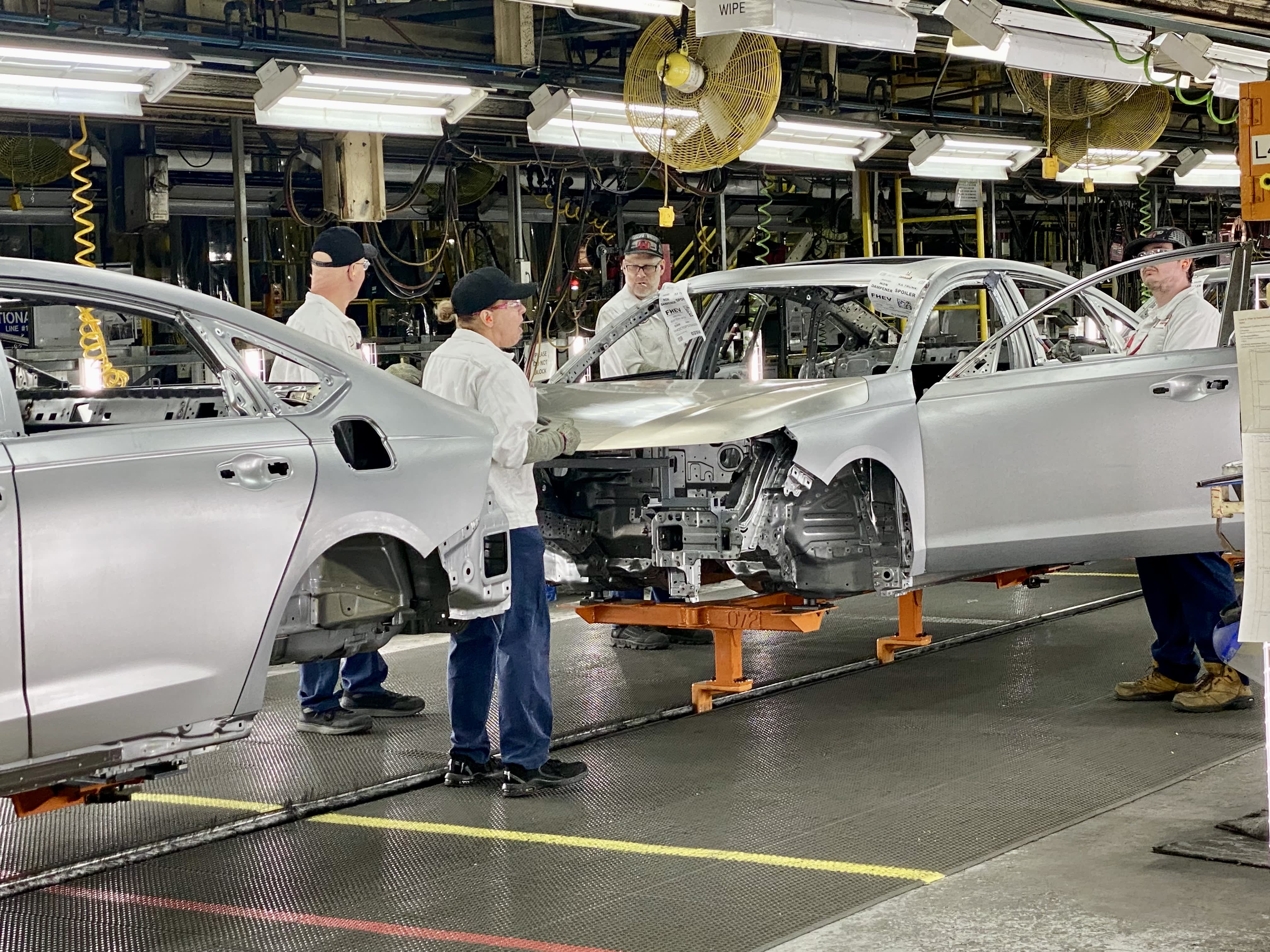
Honda to Invest $3 Billion in Ohio: A Strategic Shift in U.S. Manufacturing
Honda announces a $3 billion investment for a new assembly plant in Ohio, creating 2,000 jobs and boosting U.S. production capacity to 1.3 million units annually.
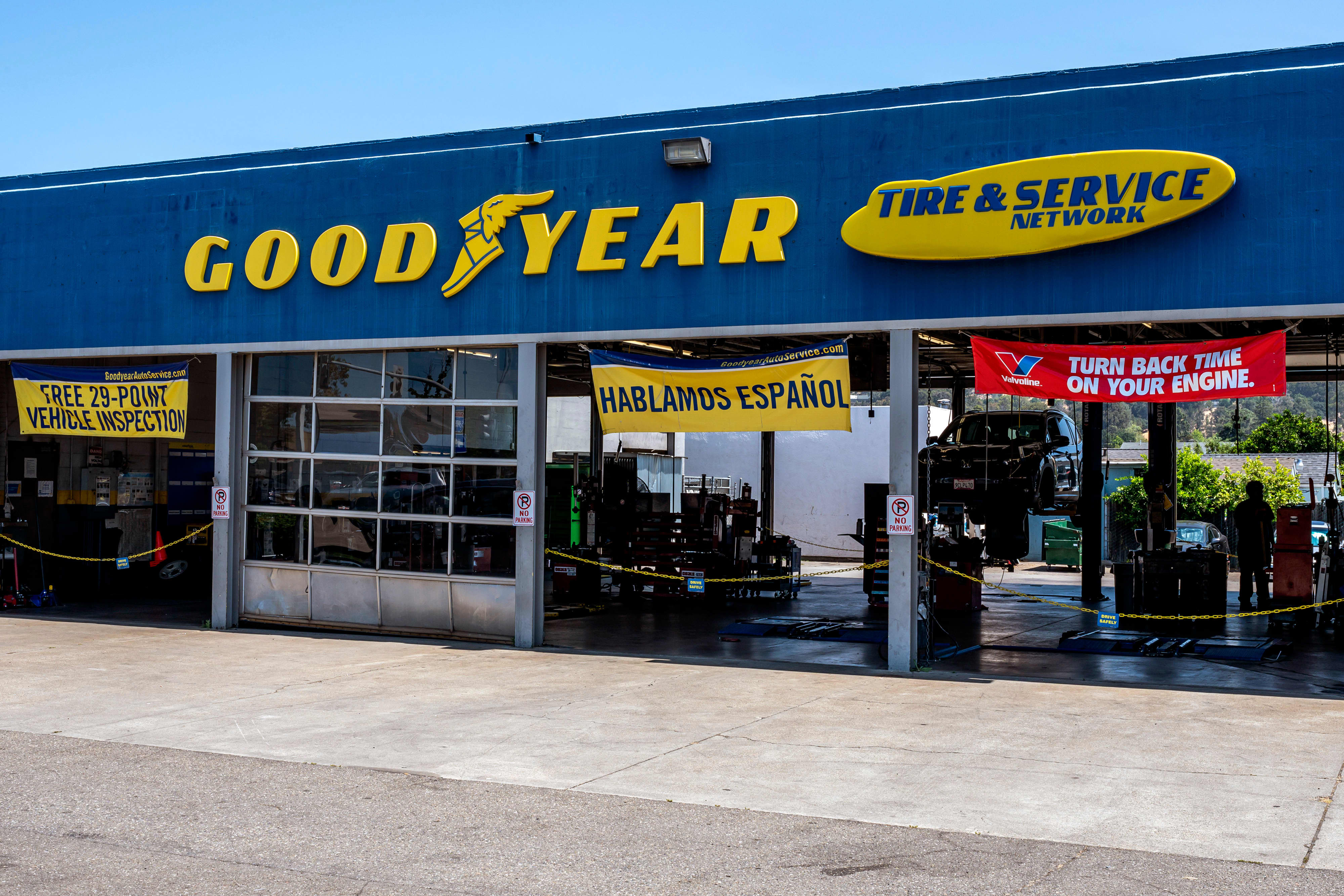
Goodyear CEO Mark Stewart Steps Down Amid Turnaround Challenges
Goodyear announces immediate leadership change as Roger Wood takes interim role during company's transformation period.

Shinzo Abe's Successor Faces Internal Party Penalty for Tax Reform Stance
Former PM Ishiba penalized by LDP for abstaining on consumption tax cut vote amid fiscal concerns. Read the analysis.

NVIDIA's Supply Chain Woes: $11.4 Million Theft Raises Concerns
NVIDIA faces growing supply chain challenges as $11.4 million in high-value computing equipment disappears during transit, highlighting risks in semiconductor logistics.

Global Diplomatic Shifts: Rubio's Paris Visit, Abu Dhabi Summit, and ASEAN Summit 2026
US Secretary of State Marco Rubio visits Paris for the G7, while Russia, the US, and Ukraine meet in Abu Dhabi. Plus, the 49th ASEAN Summit in Manila and COP31 in Turkey.

Climate Crisis as Economic and Security Issue: New Zealand Ex-Premier Helen Clark on COP31
Helen Clark urges global leaders to prioritize climate action as a core economic and security issue, not just an environmental concern, ahead of COP31 in Turkey.

Australian Youth Receive Letter from Chinese President: Building Friendship Across Borders
Chinese President Xi Jinping responds to 110 Australian university students, encouraging them to become torchbearers of China-Australia friendship and cooperation.

Thanksgiving Travel 2026: Why Frequent Flyer Miles Are Costing 32% More
Airlines have shifted to dynamic pricing, causing Thanksgiving flight miles to surge by 32%. Here is how to find the most expensive and cheapest award routes this holiday.
Latest Articles
- Poppi Founders Launch Jetty to Challenge Gatorade in Hydration Market
- China Urges Canada to Halt Support for Anti-China Activist and Stop Interfering in Internal Affairs
- Immersive Cinema Revolution: Cosm Dome Screens Redefine Premium Moviegoing
- Small Retailers Face Shipping Cost Crisis This Holiday Season
- Why Gold Prices Are Surprisingly Low
- Budget Crisis: How Libraries Become Essential Financial Lifelines