Dana White Rejects White House Press Secretary Role: A Clash of Worlds
UFC President Dana White declines Donald Trump's offer to become White House Press Secretary, sparking debate on sports and politics.
Source: thepaper.cn
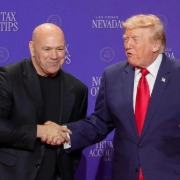
In a surprising turn of events that blurred the lines between sports entertainment and political power, Dana White, the longtime head of the Ultimate Fighting Championship (UFC), has firmly rejected an invitation to join the Trump administration. The incident occurred during a high-profile visit to the White House, where White met with President Donald Trump to discuss the future of combat sports. The meeting, which took place on November 9, 2026, ended with a direct question from the President regarding a potential career shift, a proposal White quickly and decisively shut down.
Key Takeaways
- Direct Rejection at the Source: Dana White explicitly declined the offer to become the White House Press Secretary during a live press conference with President Trump, stating he had "no desire to go into politics."
- Unprecedented Political Overlap: The invitation marked a significant moment where a prominent figure from the combat sports world was directly courted for a top-tier executive position in the US government, highlighting the increasing crossover between sports personalities and political influence.
- Rapid Turnover in Administration: The appointment of Katie Zakaria as the new White House Press Secretary was short-lived; she resigned just days after taking office, creating a vacuum that Trump attempted to fill with a figure from the entertainment industry.
- The 'Sports vs. Politics' Divide: White's refusal underscores the distinct culture of the UFC and combat sports, which prioritizes the raw, unfiltered nature of the sport over the polished, scripted environment of political communication.
- Social Media Speculation: The invitation was first hinted at by Trump on social media, triggering immediate media speculation about the potential impact of having a UFC executive in the highest levels of the US government.
In-Depth Analysis
This incident offers a fascinating case study in the evolving relationship between celebrity culture, sports, and political power. Dana White's refusal to accept the role of White House Press Secretary is not merely a personal career choice; it is a statement about the fundamental differences between the worlds he inhabits. The UFC operates on a model of direct confrontation and unscripted drama, where the product is built on the raw intensity of human competition. In contrast, the role of the Press Secretary is defined by diplomacy, strategic messaging, and the management of public perception within a highly structured and often bureaucratic framework.
The fact that President Trump, known for his affinity for media personalities and reality TV stars, would look toward the UFC—a sport often criticized for its violence—to fill a critical communication role suggests a continued blurring of boundaries in the modern media landscape. However, White’s response indicates that while he may appreciate the political spotlight, he recognizes that his skill set and personal brand are deeply rooted in the specific, high-octane environment of mixed martial arts. His refusal serves as a reminder that for many in the sports world, the arena remains the only place where they truly belong, and that the allure of political power, no matter how high the stakes, does not always outweigh the passion for one's craft.
Frequently Asked Questions
Why did Dana White refuse the offer?
White stated clearly during the press conference that he "doesn't want to go into politics." He expressed gratitude for the offer but emphasized his commitment to the UFC and his desire to remain in the world of combat sports.
Who is the new White House Press Secretary?
Katie Zakaria was appointed by President Trump in October 2026 to replace outgoing Press Secretary Caroline Levitt. Her tenure was brief, as she resigned shortly after the announcement regarding Dana White.
What does this say about the current political climate?
The incident highlights the ongoing trend of political figures seeking legitimacy and charisma from the entertainment and sports industries. It also reflects the volatile nature of the current administration, which has seen rapid turnover in key press roles.
Source: https://www.thepaper.cn/newsDetail_forward_34445774
Related posts
Rivian R2 SUV & Autonomy: 2027 Is The Inflection Year For EV Maker
Rivian CEO RJ Scaringe claims 2027 will be a turning point, driven by the R2 SUV and autonomous tech. Here is an analysis of the stock performance, factory expansion, and profitability outlook.
Ukraine's Priority: Ceasefire in Abu Dhabi Talks
Ukraine's top diplomat outlines the two-phase negotiation strategy in Abu Dhabi, emphasizing a ceasefire and post-war security guarantees.
Angela Merkel Backs Ilse Aigner for German President: A Historic Milestone
Former Chancellor Merkel endorses Ilse Aigner, Bavarian politician, for Germany's presidency. A historic moment marking the first female head of state in the Federal Republic.
Climate Crisis: Why Historical Data No Longer Guides Our Future
UN disaster chief warns that past patterns can't predict future risks as climate change accelerates, calling for revolutionary approaches to disaster prevention and adaptation.
AI Image Detection: How Reliable Are Current Verification Tools?
As AI-generated images proliferate, we examine the limitations of current detection technologies and why human verification remains essential.
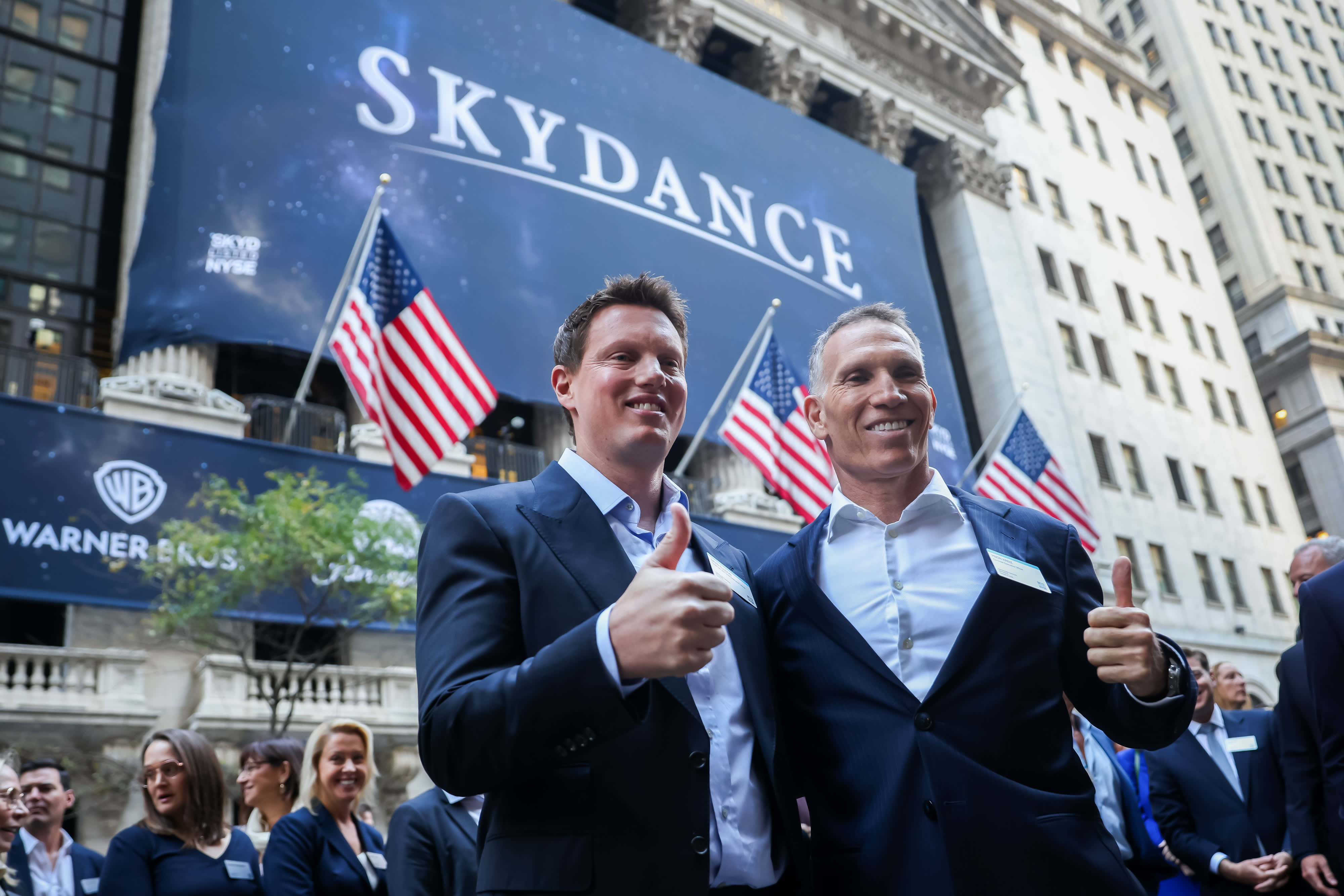
Skydance Unveils $6 Billion Cost Savings Plan After Paramount-Warner Merger
Skydance outlines ambitious $6 billion cost reduction strategy through consolidation of streaming services, studios, and corporate functions following Paramount-Warner merger.
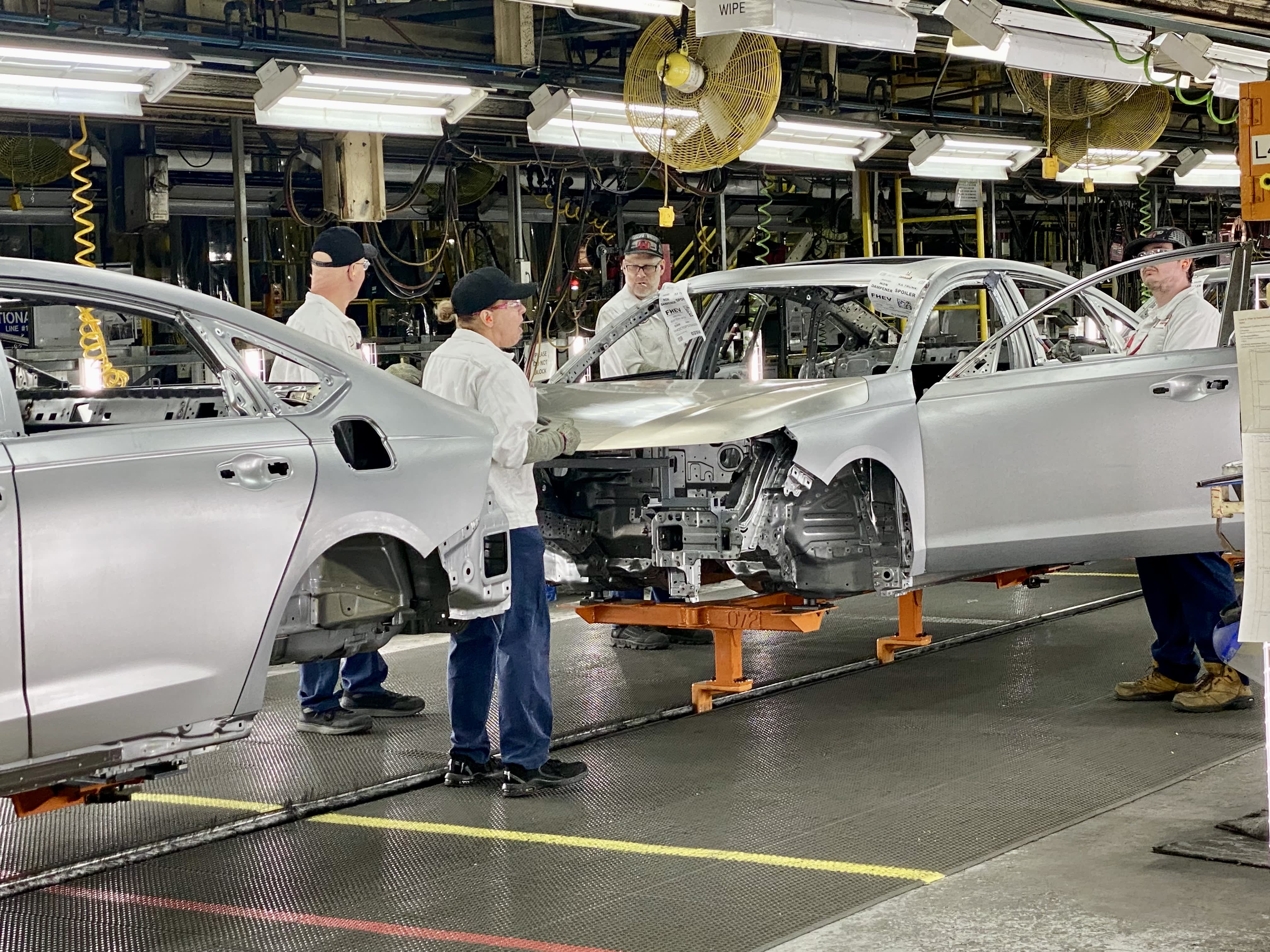
Honda to Invest $3 Billion in Ohio: A Strategic Shift in U.S. Manufacturing
Honda announces a $3 billion investment for a new assembly plant in Ohio, creating 2,000 jobs and boosting U.S. production capacity to 1.3 million units annually.
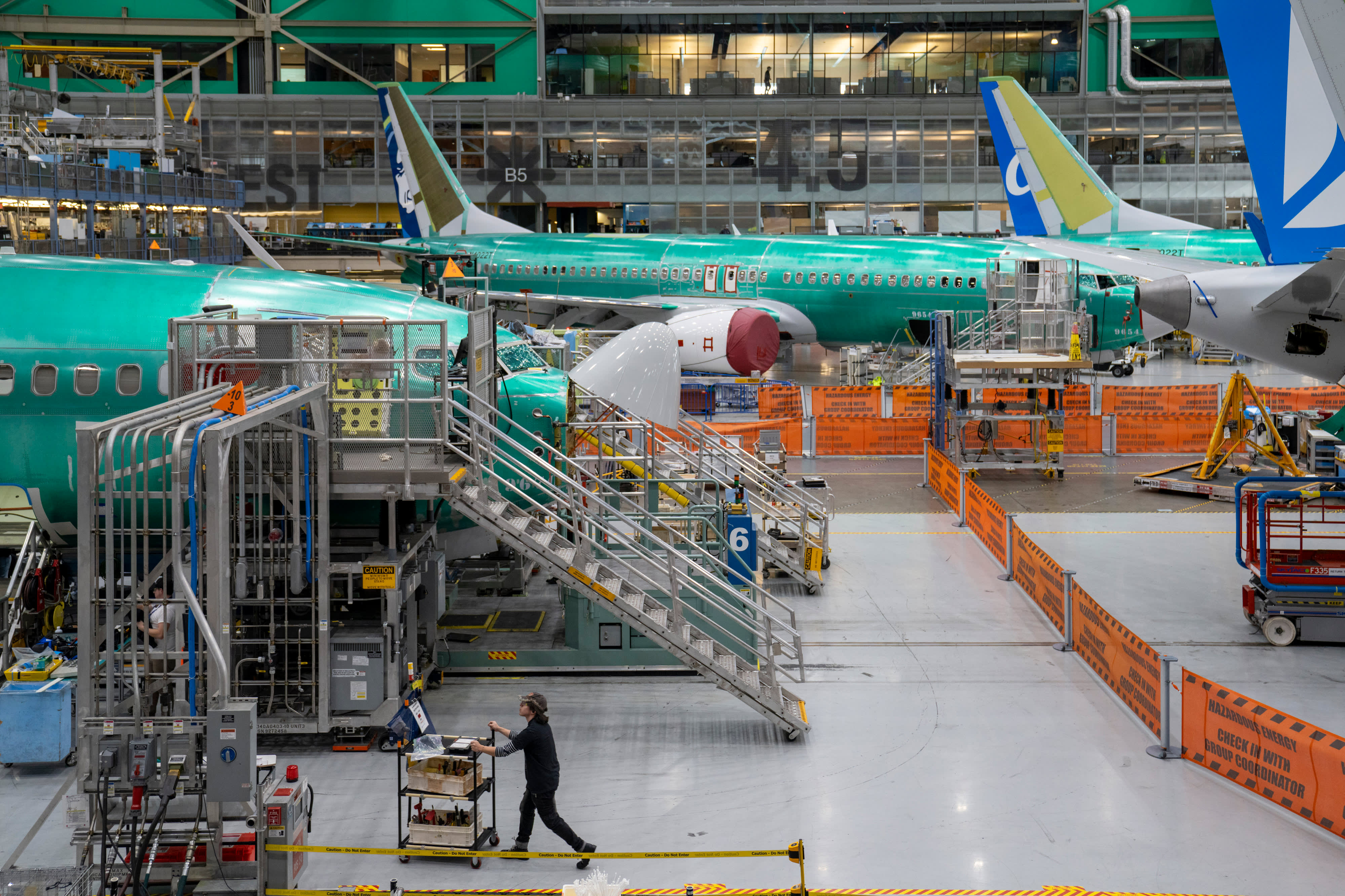
Boeing Announces 5% Workforce Reduction in Commercial Airplane Division
Boeing plans to cut 5% of its commercial airplane workforce as production ramp-up of 737 Max planes moves slower than expected, with notifications beginning in December.
Latest Articles
- Goodyear CEO Mark Stewart Steps Down Amid Turnaround Challenges
- Shinzo Abe's Successor Faces Internal Party Penalty for Tax Reform Stance
- NVIDIA's Supply Chain Woes: $11.4 Million Theft Raises Concerns
- Global Diplomatic Shifts: Rubio's Paris Visit, Abu Dhabi Summit, and ASEAN Summit 2026
- Climate Crisis as Economic and Security Issue: New Zealand Ex-Premier Helen Clark on COP31
- Australian Youth Receive Letter from Chinese President: Building Friendship Across Borders