Rivian R2 SUV & Autonomy: 2027 Is The Inflection Year For EV Maker
Rivian CEO RJ Scaringe claims 2027 will be a turning point, driven by the R2 SUV and autonomous tech. Here is an analysis of the stock performance, factory expansion, and profitability outlook.
Source: CNBC
Rivian Automotive is currently navigating a tumultuous phase in the electric vehicle (EV) market, marked by a significant decline in its stock price since its highly anticipated IPO five years ago. Despite the initial euphoria and the company's positioning as a leader in the early 2020s EV boom, Rivian has faced headwinds ranging from supply chain disruptions to geopolitical tensions and slower-than-expected consumer adoption. As the company approaches a critical juncture, CEO RJ Scaringe has identified 2027 as a definitive "inflection year" that could redefine its trajectory. This period is pivotal not only for the company's financial recovery but also for the wider EV industry as it seeks to balance technological innovation with sustainable profitability.
Key Takeaways
- 2027 as a Turning Point: Rivian CEO RJ Scaringe views 2027 as the year the company will demonstrate its true business potential, marking a shift from current challenges to a phase of growth.
- R2 SUV as the Core: The midsize R2 SUV, with an entry-level price point around $45,000, is central to Rivian's strategy to achieve profitability and expand its market reach.
- Production and Cost Efficiency: Rivian has seen a significant improvement in its automotive cost of goods sold, driven by a higher mix of R2 vehicles and better fixed-cost leverage.
- Expansion to Georgia: A new multibillion-dollar factory in Georgia is essential for scaling production to meet demand and achieve net profitability.
- Investment in Autonomy: The company is deeply investing in next-generation software and autonomy, aiming to release "point-to-point" driving capabilities by 2027.
- Balancing Act: Rivian faces the challenge of simultaneously pursuing profitability and deep investment in technology, requiring careful capital management.
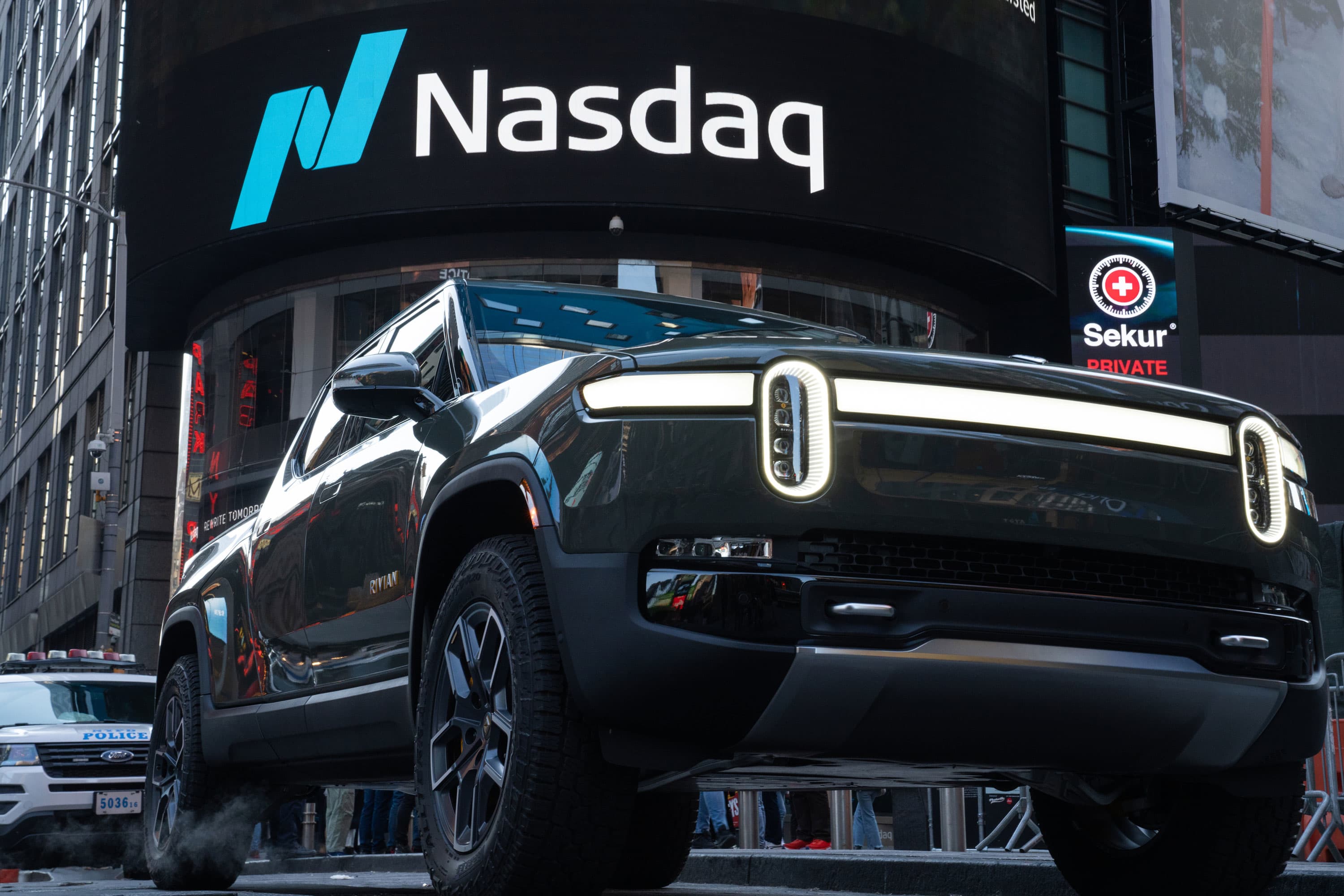
Deep Dive Analysis
The narrative surrounding Rivian has shifted from one of unbridled optimism to cautious realism, reflecting the broader struggles of the EV sector. While the company remains one of the most promising EV makers to emerge in the early 2020s, with many of its peers no longer in existence, it must now prove its resilience. The 80% decline in its stock price since the 2021 IPO underscores the volatility of the market and the high expectations placed on new automotive entrants.
Scaringe's bullish outlook on 2027 is anchored in the company's strategic pivot toward its R2 SUV. This vehicle is not just a product; it is the linchpin of Rivian's business model. By targeting the mainstream market with a more accessible price point, Rivian aims to drive volume and, crucially, achieve the economies of scale necessary for profitability. The company's third-quarter 2026 results, which showed a 46% year-over-year increase in vehicle deliveries, indicate that the R2 is already outperforming its flagship R1 models and commercial vans, validating this strategy.
However, scaling production presents its own set of challenges. The company's existing factory in Normal, Illinois, is operating near capacity, producing 215,000 vehicles annually. To meet future demand and secure its path to profitability, Rivian is constructing a new plant in Georgia. This facility, capable of producing up to 300,000 units annually once completed in late 2028, is a massive undertaking that requires substantial capital investment. The company's total available liquidity is approximately $13 billion, but analysts warn that this may not be enough to cover the costs of the Georgia factory buildout and continued autonomous technology development.
The investment in autonomy represents another critical pillar of Rivian's future. Scaringe envisions physical artificial intelligence as a key differentiator, aiming to release "point-to-point" driving capabilities by 2027. This technology, where vehicles can drive autonomously from destination to destination, is currently a niche offering from Tesla. Rivian's strategy involves using multiple sensor types to achieve superior performance, particularly in adverse weather conditions. If successful, this could elevate the company from a niche player to a top-tier contender in the automotive market, fundamentally changing how consumers consider purchasing an EV.
Frequently Asked Questions
Q: Why is the R2 SUV so important for Rivian's future?
A: The R2 SUV is the core of Rivian's strategy to achieve profitability and significant revenue growth. Its entry-level price point of around $45,000 targets the mainstream market, allowing the company to scale production and benefit from better cost leverage. It is the primary vehicle expected to drive the company's path to financial stability.
Q: How is Rivian addressing its financial challenges?
A: Rivian is tackling its challenges through a combination of operational improvements, such as increasing the mix of R2 vehicles to lower costs, and strategic expansion, such as building the new Georgia factory. The company is also being "opportunistic" about capital raises to fund its technology investments while maintaining a focus on achieving profitability.
Q: What is Rivian's plan for autonomous driving technology?
A: Rivian plans to release "point-to-point" driving capabilities by 2027, initially for employees and then customers. The company aims to exceed Tesla's current capabilities by using multiple sensor types to improve vehicle perception, especially in difficult weather conditions. This technology is expected to become a major purchase consideration for consumers in the coming years.
Source: https://www.cnbc.com/2026/11/10/rivian-r2-autonomy-2027-rj-scaringe.html
Related posts

Ukraine's Priority: Ceasefire in Abu Dhabi Talks
Ukraine's top diplomat outlines the two-phase negotiation strategy in Abu Dhabi, emphasizing a ceasefire and post-war security guarantees.

Dana White Rejects White House Press Secretary Role: A Clash of Worlds
UFC President Dana White declines Donald Trump's offer to become White House Press Secretary, sparking debate on sports and politics.

Angela Merkel Backs Ilse Aigner for German President: A Historic Milestone
Former Chancellor Merkel endorses Ilse Aigner, Bavarian politician, for Germany's presidency. A historic moment marking the first female head of state in the Federal Republic.

Climate Crisis: Why Historical Data No Longer Guides Our Future
UN disaster chief warns that past patterns can't predict future risks as climate change accelerates, calling for revolutionary approaches to disaster prevention and adaptation.

AI Image Detection: How Reliable Are Current Verification Tools?
As AI-generated images proliferate, we examine the limitations of current detection technologies and why human verification remains essential.

Skydance Unveils $6 Billion Cost Savings Plan After Paramount-Warner Merger
Skydance outlines ambitious $6 billion cost reduction strategy through consolidation of streaming services, studios, and corporate functions following Paramount-Warner merger.
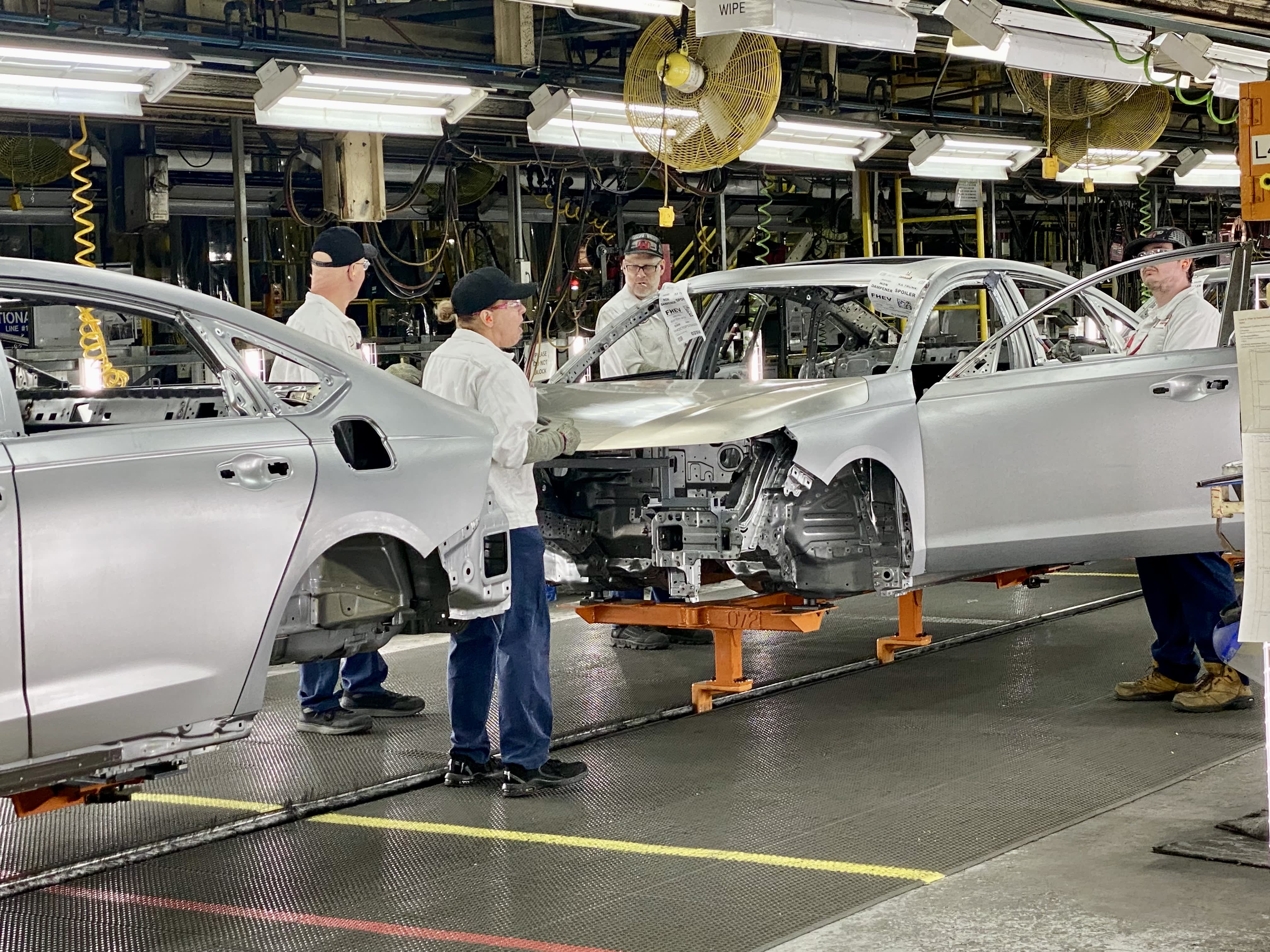
Honda to Invest $3 Billion in Ohio: A Strategic Shift in U.S. Manufacturing
Honda announces a $3 billion investment for a new assembly plant in Ohio, creating 2,000 jobs and boosting U.S. production capacity to 1.3 million units annually.
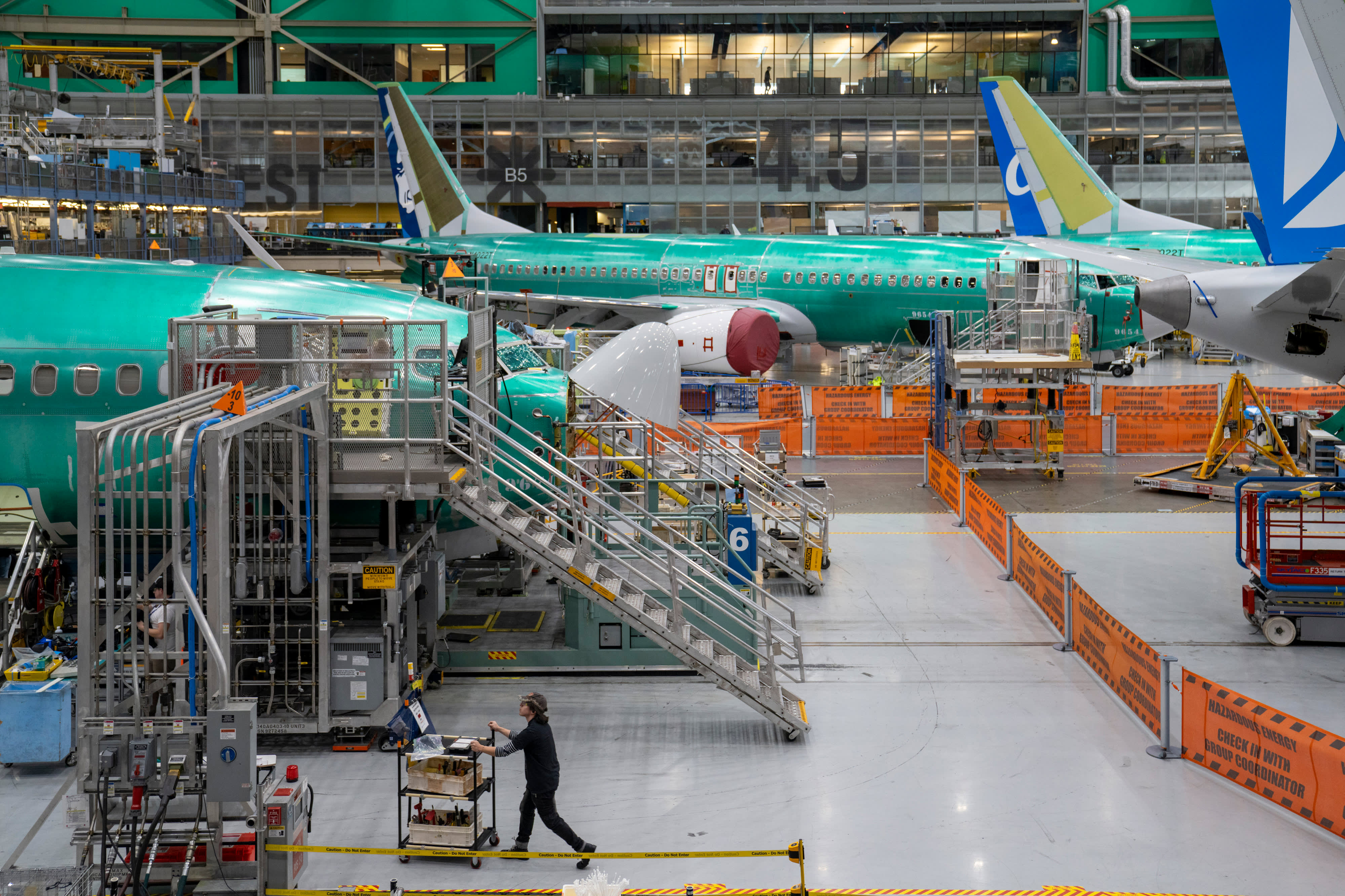
Boeing Announces 5% Workforce Reduction in Commercial Airplane Division
Boeing plans to cut 5% of its commercial airplane workforce as production ramp-up of 737 Max planes moves slower than expected, with notifications beginning in December.
Latest Articles
- Goodyear CEO Mark Stewart Steps Down Amid Turnaround Challenges
- Shinzo Abe's Successor Faces Internal Party Penalty for Tax Reform Stance
- NVIDIA's Supply Chain Woes: $11.4 Million Theft Raises Concerns
- Global Diplomatic Shifts: Rubio's Paris Visit, Abu Dhabi Summit, and ASEAN Summit 2026
- Climate Crisis as Economic and Security Issue: New Zealand Ex-Premier Helen Clark on COP31
- Australian Youth Receive Letter from Chinese President: Building Friendship Across Borders