Ukraine's Priority: Ceasefire in Abu Dhabi Talks
Ukraine's top diplomat outlines the two-phase negotiation strategy in Abu Dhabi, emphasizing a ceasefire and post-war security guarantees.
Source: thepaper.cn
The geopolitical landscape is shifting rapidly as Ukraine intensifies diplomatic efforts to secure a sustainable end to the conflict. In a significant development, Ukraine's top diplomat, Foreign Intelligence Service Director Kyrylo Budanov, announced that negotiations in Abu Dhabi are structured into two distinct phases. This strategic approach underscores the critical importance of aligning with Western allies before engaging in direct talks with Russia, signaling a shift toward a more structured diplomatic resolution.
Key Points
- Two-Phase Negotiation Strategy: The talks in Abu Dhabi are divided into two stages. The first involves coordinating positions with Ukraine's Western allies, followed by a direct trilateral meeting involving Ukraine, the United States, and Russia.
- Primary Objective: Ceasefire: The central priority for Ukraine is the immediate cessation of hostilities. This goal is viewed as a prerequisite for any meaningful progress toward a lasting peace agreement.
- Focus on Post-War Security: Beyond the immediate fighting, the Ukrainian delegation is also prioritizing the establishment of reliable security guarantees to prevent future aggression.
- Economic Recovery: Ensuring the economic recovery and development of Ukraine is a core component of the negotiation agenda, reflecting the country's long-term rebuilding needs.
- Humanitarian Aid: The delegation is committed to advancing humanitarian work to alleviate the suffering of civilians affected by the ongoing war.
- High-Level Representation: The talks are supported by high-level representatives, including a U.S. presidential special envoy and advisors close to the Trump administration, indicating strong international backing.
- Unified Western Front: The first phase involves consultations with representatives from the UK, France, Germany, Italy, NATO, and the European Commission to ensure a unified diplomatic stance.

In-Depth Analysis
The decision to structure the Abu Dhabi talks into two phases reveals a sophisticated diplomatic maneuver by Kyiv. By prioritizing a unified front with Western allies in the initial stage, Ukraine aims to prevent Russia from exploiting divisions within the international community. This approach is particularly crucial given the complex political dynamics in the United States, where the administration of President Donald Trump has shown a willingness to engage directly with Moscow.
The inclusion of high-profile figures such as Steve Witkoff, a U.S. presidential special envoy, and Jared Kushner, the President's son-in-law, signals a significant escalation in diplomatic engagement. Their presence suggests that the U.S. is actively facilitating these talks, potentially leveraging its relationship with Russia to broker a deal. However, the Ukrainian insistence on a ceasefire as a non-negotiable first step highlights the fragility of the situation and the deep-seated mistrust between the conflicting parties.
Furthermore, the focus on post-war security guarantees and economic recovery indicates that Ukraine is not merely seeking a temporary pause in fighting but is aiming for a comprehensive settlement that addresses the root causes of the conflict. This aligns with the broader European strategy of long-term containment of Russian influence. The outcome of these talks will likely depend on the ability of the international community to maintain pressure on Russia while providing clear incentives for a diplomatic resolution. As the first phase concludes, the world will be watching closely to see if the groundwork laid in Abu Dhabi can translate into a sustainable ceasefire.
Frequently Asked Questions
Q: Why is Ukraine insisting on a ceasefire before direct talks with Russia?
A: Ukraine views a ceasefire as the essential first step to de-escalate violence, protect civilian lives, and create the necessary conditions for serious negotiations. Without a pause in fighting, trust between the parties is difficult to build.
Q: Who are the key representatives involved in the U.S. delegation?
A: The U.S. delegation includes Steve Witkoff, appointed as a special envoy by President Trump, and Jared Kushner, who is advising the administration on Middle Eastern and European affairs.
Q: What is the role of the first phase of talks in Abu Dhabi?
A: The first phase involves coordinating positions with European allies and NATO to ensure a unified strategy before the U.S. and Ukraine engage in direct trilateral talks with Russia.
Source: https://www.thepaper.cn/newsDetail_forward_34445377
Related posts

Rivian R2 SUV & Autonomy: 2027 Is The Inflection Year For EV Maker
Rivian CEO RJ Scaringe claims 2027 will be a turning point, driven by the R2 SUV and autonomous tech. Here is an analysis of the stock performance, factory expansion, and profitability outlook.

Dana White Rejects White House Press Secretary Role: A Clash of Worlds
UFC President Dana White declines Donald Trump's offer to become White House Press Secretary, sparking debate on sports and politics.
Angela Merkel Backs Ilse Aigner for German President: A Historic Milestone
Former Chancellor Merkel endorses Ilse Aigner, Bavarian politician, for Germany's presidency. A historic moment marking the first female head of state in the Federal Republic.
Climate Crisis: Why Historical Data No Longer Guides Our Future
UN disaster chief warns that past patterns can't predict future risks as climate change accelerates, calling for revolutionary approaches to disaster prevention and adaptation.

AI Image Detection: How Reliable Are Current Verification Tools?
As AI-generated images proliferate, we examine the limitations of current detection technologies and why human verification remains essential.

Skydance Unveils $6 Billion Cost Savings Plan After Paramount-Warner Merger
Skydance outlines ambitious $6 billion cost reduction strategy through consolidation of streaming services, studios, and corporate functions following Paramount-Warner merger.

Honda to Invest $3 Billion in Ohio: A Strategic Shift in U.S. Manufacturing
Honda announces a $3 billion investment for a new assembly plant in Ohio, creating 2,000 jobs and boosting U.S. production capacity to 1.3 million units annually.
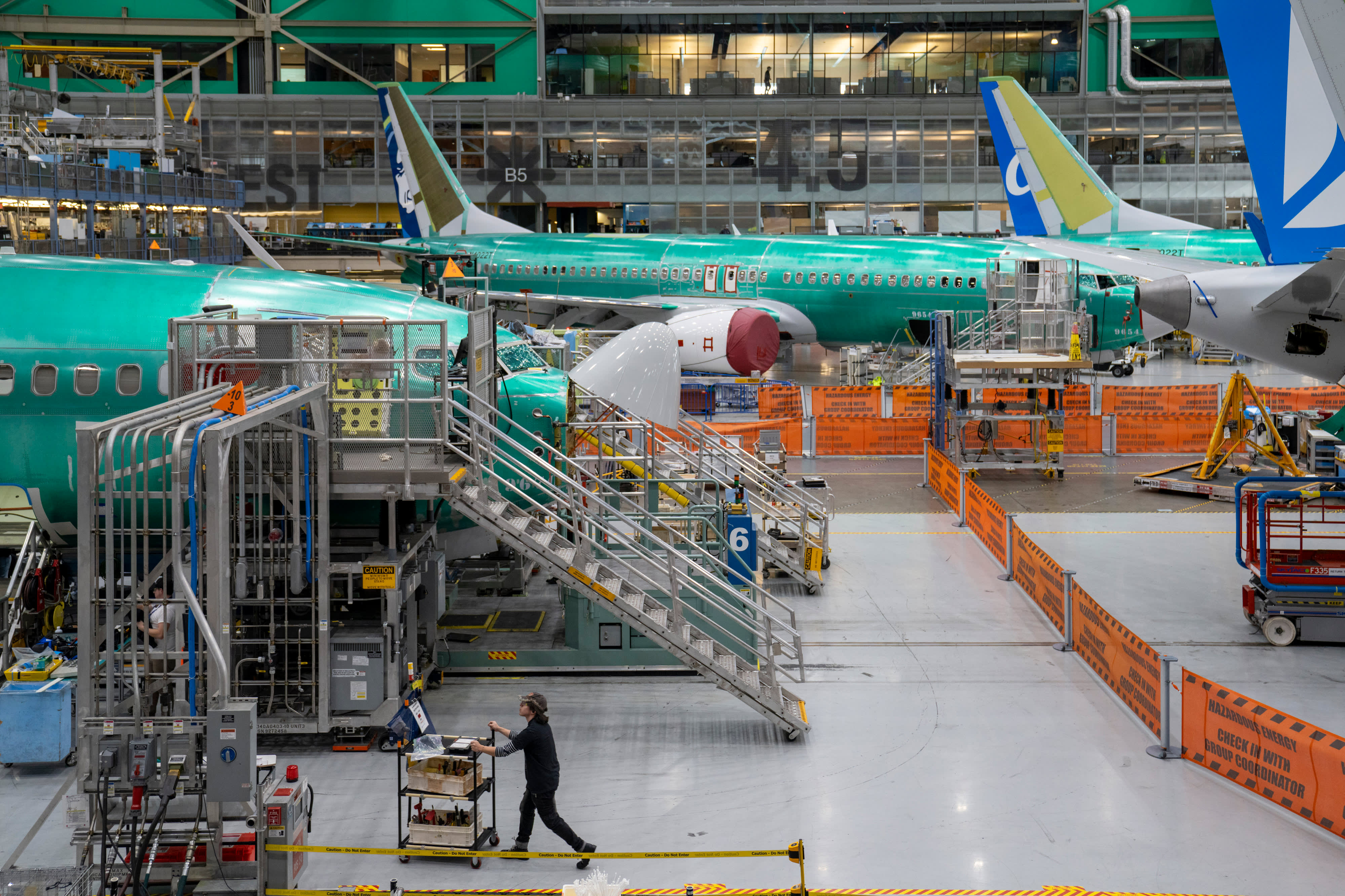
Boeing Announces 5% Workforce Reduction in Commercial Airplane Division
Boeing plans to cut 5% of its commercial airplane workforce as production ramp-up of 737 Max planes moves slower than expected, with notifications beginning in December.
Latest Articles
- Goodyear CEO Mark Stewart Steps Down Amid Turnaround Challenges
- Shinzo Abe's Successor Faces Internal Party Penalty for Tax Reform Stance
- NVIDIA's Supply Chain Woes: $11.4 Million Theft Raises Concerns
- Global Diplomatic Shifts: Rubio's Paris Visit, Abu Dhabi Summit, and ASEAN Summit 2026
- Climate Crisis as Economic and Security Issue: New Zealand Ex-Premier Helen Clark on COP31
- Australian Youth Receive Letter from Chinese President: Building Friendship Across Borders