Financial Panic Grips All Economic Classes in America
Author Mona Chalabi reveals how Americans across all income levels experience financial anxiety in her new book 'Ten Lives'.
Source: NPR
Financial anxiety has become a unifying experience across America's economic spectrum, affecting everyone from the wealthy to the working class. This widespread panic about personal finances represents a significant shift in how Americans view their economic security, regardless of their income level or social status. Mona Chalabi's new book 'Ten Lives' explores this phenomenon through the stories of ten individuals from diverse economic backgrounds, revealing surprising commonalities in their financial worries and behaviors.
Key Insights
-
Universal Financial Anxiety: Despite different income levels, Americans share similar fears about money. Chalabi's research shows that even high-earners experience significant anxiety about maintaining their lifestyle and financial security, challenging the assumption that more money equals less stress.
-
The 'Enough' Dilemma: Many people struggle with defining what financial security actually means for them. The book explores how societal expectations and personal aspirations often create moving targets for financial stability that can never be fully reached.
-
Data-Driven Understanding: Chalabi uses data visualization to make complex financial concepts accessible, helping readers understand how systemic economic factors impact individual financial decisions and outcomes.
-
Generational Differences: Younger generations face unique financial challenges compared to their parents, including student debt, housing affordability, and the gig economy, creating new forms of financial stress that previous generations didn't experience.
-
The Hidden Costs of Poverty: The book reveals how poverty creates additional financial burdens through higher interest rates, limited access to quality services, and the constant mental energy required to navigate financial constraints.

In-Depth Analysis
The financial panic described by Chalabi reflects deeper structural issues within the American economy that have been developing for decades. The erosion of traditional safety nets, combined with rising costs of essential services like healthcare and education, has created a precarious environment where even seemingly stable households can face financial collapse from unexpected expenses. This phenomenon represents a fundamental shift from the post-war economic boom when upward mobility was more achievable and financial security was more evenly distributed.
The psychological impact of this financial anxiety cannot be overstated. Chronic stress about money affects decision-making, relationships, physical health, and overall quality of life. Chalabi's work highlights how this constant state of alertness creates a 'scarcity mindset' that prevents people from thinking long-term or taking calculated risks that could improve their financial situation.
Looking forward, addressing this widespread financial panic will require both individual and systemic solutions. On a personal level, financial literacy and planning can help create a sense of control. Systemically, policies that address income inequality, healthcare costs, and education affordability could reduce the underlying causes of financial anxiety. Chalabi's book serves as both a mirror reflecting our current financial reality and a map pointing toward potential solutions.
Frequently Asked Questions
How does financial anxiety differ across income levels? While the manifestations differ, the core anxiety is similar. Higher-income individuals worry about maintaining their lifestyle and losing status, while lower-income individuals focus on meeting basic needs and avoiding financial catastrophe. The stress is universal, though the specific concerns vary.
What practical steps can readers take to reduce financial anxiety? Chalabi suggests developing clear financial goals, building emergency funds, automating savings, and seeking professional advice when needed. Importantly, she emphasizes the value of community support and open conversations about money to reduce stigma and isolation around financial struggles.
Source: https://www.npr.org/2026/11/10/nx-s1-6032767/mona-chalabi-ten-lives
Related posts

Rivian R2 SUV & Autonomy: 2027 Is The Inflection Year For EV Maker
Rivian CEO RJ Scaringe claims 2027 will be a turning point, driven by the R2 SUV and autonomous tech. Here is an analysis of the stock performance, factory expansion, and profitability outlook.

Ukraine's Priority: Ceasefire in Abu Dhabi Talks
Ukraine's top diplomat outlines the two-phase negotiation strategy in Abu Dhabi, emphasizing a ceasefire and post-war security guarantees.

Dana White Rejects White House Press Secretary Role: A Clash of Worlds
UFC President Dana White declines Donald Trump's offer to become White House Press Secretary, sparking debate on sports and politics.

Angela Merkel Backs Ilse Aigner for German President: A Historic Milestone
Former Chancellor Merkel endorses Ilse Aigner, Bavarian politician, for Germany's presidency. A historic moment marking the first female head of state in the Federal Republic.

Climate Crisis: Why Historical Data No Longer Guides Our Future
UN disaster chief warns that past patterns can't predict future risks as climate change accelerates, calling for revolutionary approaches to disaster prevention and adaptation.

AI Image Detection: How Reliable Are Current Verification Tools?
As AI-generated images proliferate, we examine the limitations of current detection technologies and why human verification remains essential.

Skydance Unveils $6 Billion Cost Savings Plan After Paramount-Warner Merger
Skydance outlines ambitious $6 billion cost reduction strategy through consolidation of streaming services, studios, and corporate functions following Paramount-Warner merger.
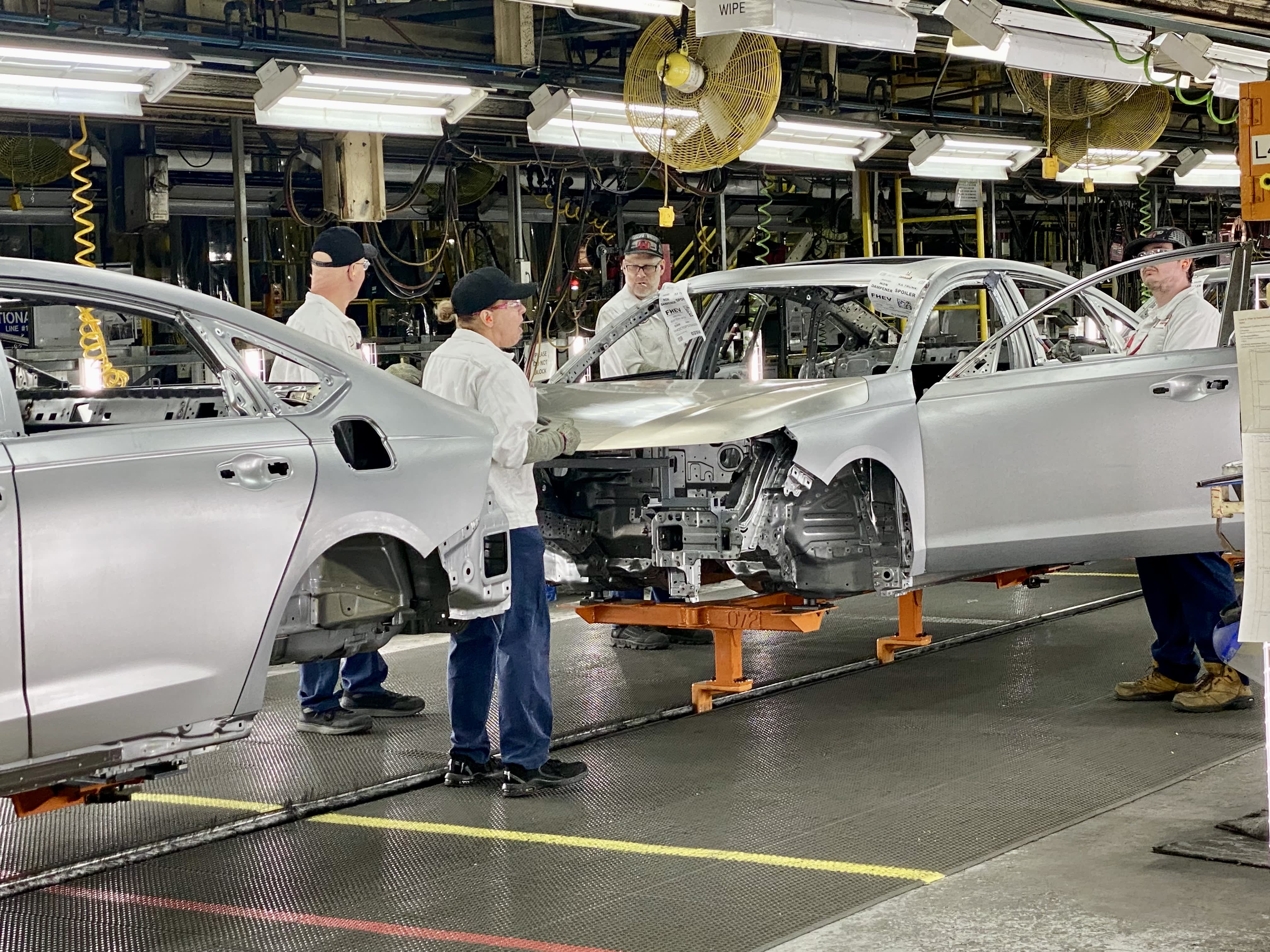
Honda to Invest $3 Billion in Ohio: A Strategic Shift in U.S. Manufacturing
Honda announces a $3 billion investment for a new assembly plant in Ohio, creating 2,000 jobs and boosting U.S. production capacity to 1.3 million units annually.
Latest Articles
- Boeing Announces 5% Workforce Reduction in Commercial Airplane Division
- Goodyear CEO Mark Stewart Steps Down Amid Turnaround Challenges
- Shinzo Abe's Successor Faces Internal Party Penalty for Tax Reform Stance
- NVIDIA's Supply Chain Woes: $11.4 Million Theft Raises Concerns
- Global Diplomatic Shifts: Rubio's Paris Visit, Abu Dhabi Summit, and ASEAN Summit 2026
- Climate Crisis as Economic and Security Issue: New Zealand Ex-Premier Helen Clark on COP31