Gasoline Prices Drop Below $4: Why Gas Is Suddenly Cheaper
Gasoline prices have fallen below $4 a gallon for the first time in months. This analysis explores the seasonal shifts, oil market dynamics, and the geopolitical factors influencing fuel costs.
Source: NPR
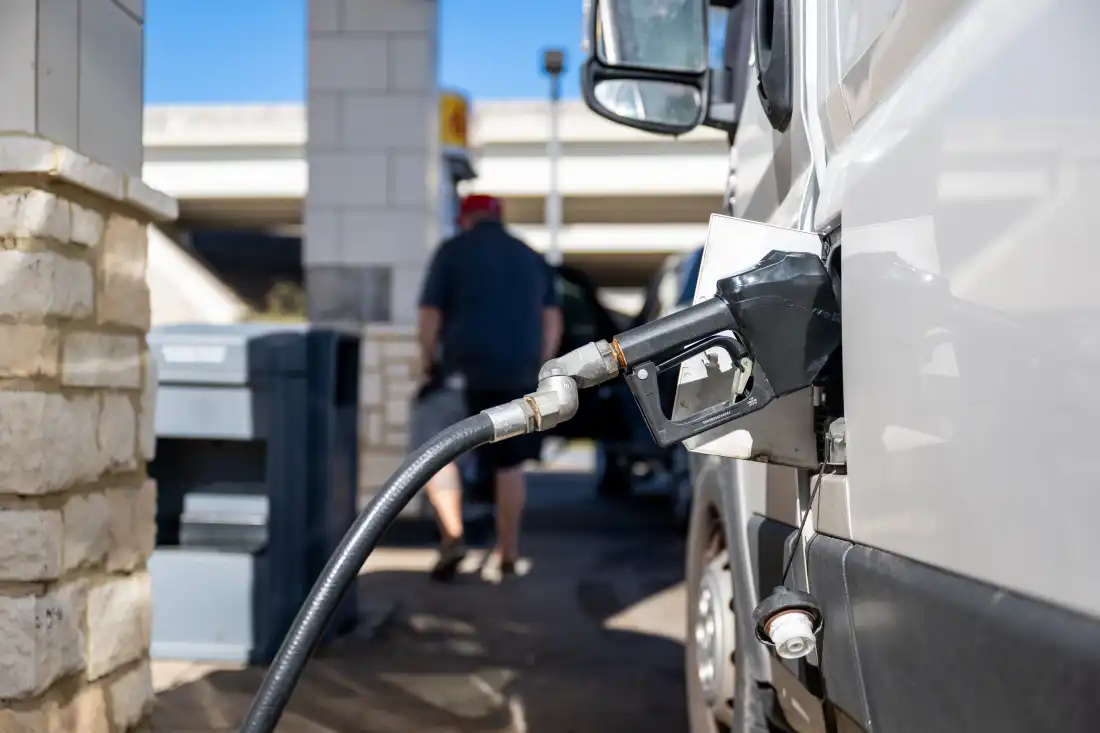
Drivers across the nation are finally experiencing some relief at the pump as fuel costs ease. For the first time in months, the national average price of a gallon of regular gasoline has dipped below the $4 threshold. According to AAA, the average is currently sitting at $3.94, marking a significant drop from the highs of recent months. This decline represents a nearly 40-cent decrease over the past month, with the bulk of the savings occurring in just the last two weeks.
Key Factors Behind the Drop
- Seasonal Shifts: The primary driver of this price reduction is the transition from summer to winter. As the peak driving season ends, demand naturally decreases. Fewer people travel in colder weather, leading to lower overall consumption. Additionally, refineries complete their annual maintenance by late fall, increasing the available supply of gasoline on the market.
- Cheaper Winter Blends: Refineries produce two distinct types of gasoline annually: summer and winter blends. The switch to winter blends typically occurs in September. This year, the Environmental Protection Agency and the Department of Energy advanced the switch to September 1 to help manage prices. Winter blends are generally cheaper to produce than summer blends because they require less volatile components to prevent evaporation in high heat.
- Declining Crude Oil Prices: While seasonal factors play a role, the most significant driver is the falling price of Brent crude oil. The price of Brent crude has dropped to approximately $90 a barrel. This decline is fueled by increased oil production from the Middle East via pipelines and positive market sentiment regarding renewed diplomatic efforts between the U.S. and Iran.
- Market Speculation: Traders are reacting to the intensifying diplomatic efforts between the U.S. and Iran. The anticipation of de-escalation or a potential resolution to the conflict is contributing to lower oil prices, which directly impacts the cost of refining fuel.
Deep Dive Analysis
The current drop in gasoline prices offers a temporary reprieve for consumers, but it does not signal a return to pre-war stability. Analysts suggest that while the immediate price pressure is easing, the broader context of the ongoing conflict in Iran continues to cast a long shadow over the energy market. The price of Brent crude has fallen, but it remains significantly higher than pre-conflict levels, meaning pump prices are still elevated relative to historical norms.
Geopolitical risks remain a volatile factor. The potential for renewed military escalation could quickly reverse these gains. Analysts warn that political maneuvers, such as potential military action by the U.S. to regain negotiating leverage before a change in congressional control, could destabilize the oil market. Furthermore, even if a peace deal is reached, the global supply chain would require months to fully normalize. Shipping routes would need to resume normal paths, and refineries would need to rebuild stockpiles depleted during the conflict. Therefore, while $4 a gallon feels like a bargain today, the road to normalcy is still long.
Frequently Asked Questions
Why did gas prices drop so suddenly?
Gas prices dropped due to a combination of seasonal demand reduction and falling crude oil prices. The shift to winter gasoline blends and increased supply from refineries also contributed to the decrease.
Is the drop in gas prices permanent?
No, the drop is likely temporary. While prices are currently below $4, they remain the highest ever recorded at this time of year. Geopolitical tensions and global supply chain recovery are ongoing factors that could cause prices to rise again.
How does the war in Iran affect gas prices?
The war in Iran has driven up global oil prices by disrupting supply routes and creating uncertainty. As diplomatic efforts improve and supply increases, prices have fallen, but the threat of renewed conflict remains a significant risk to fuel stability.

Source: https://www.npr.org/2026/11/11/nx-s1-6037588/gasoline-price-below-4-dollars-gallon
Related posts

American Airlines Restores Fresh First Class Food: NY-Chicago Routes Revitalized
American Airlines brings back fresh food in first class on NY-Chicago flights for the first time since 2019. Discover the new menu and the competitive premium strategy.

JetBlue's CEO Betting on Premium Travel to Bounce Back
JetBlue Airways CEO Joanna Geraghty denies bankruptcy rumors, pivoting to a premium strategy with new BlueFirst seats to restore profitability.

Iran Unveils Underground Missile City, Boosting Regional Defense Capabilities
Iran reveals a massive underground missile complex, lifting range limits and seeking advanced Russian air defense systems amid rising geopolitical tensions.

AI Image Detection: How Reliable Are Current Verification Tools?
As AI-generated images proliferate, we examine the limitations of current detection technologies and why human verification remains essential.

Climate Crisis: Why Historical Data No Longer Guides Our Future
UN disaster chief warns that past patterns can't predict future risks as climate change accelerates, calling for revolutionary approaches to disaster prevention and adaptation.

Missing Chinese Mountaineer: 25-Year-Old Blue Sky Rescue Team Member Lost on Mount Fuji
A 25-year-old Chinese mountaineer and member of the Blue Sky Rescue Team has been missing on Mount Fuji for over 60 hours. Authorities have launched a search operation amid severe weather conditions.

Bus Crash in Seoul Kills 34: Traffic Safety Analysis
A bus plowed into multiple cars in Seongnam, injuring 34. We analyze the causes, safety protocols, and what this means for urban transport.

Ukraine's Priority: Ceasefire in Abu Dhabi Talks
Ukraine's top diplomat outlines the two-phase negotiation strategy in Abu Dhabi, emphasizing a ceasefire and post-war security guarantees.
Latest Articles
- Fossil Group's Turnaround: Q3 2026 Results Signal a Strong Comeback
- Financial Panic Grips All Economic Classes in America
- Rivian R2 SUV & Autonomy: 2027 Is The Inflection Year For EV Maker
- Dana White Rejects White House Press Secretary Role: A Clash of Worlds
- Angela Merkel Backs Ilse Aigner for German President: A Historic Milestone
- Skydance Unveils $6 Billion Cost Savings Plan After Paramount-Warner Merger