Europe's Strategic Bet On U.S. Defense: A Growing Regret?
Europe faces a critical dilemma as reliance on American defense technology creates supply chain vulnerabilities and strategic risks.
Source: NPR
For decades, European nations have relied on American defense systems, viewing them as the gold standard for security. However, recent developments suggest this strategy is facing significant challenges. The current geopolitical landscape has exposed a critical vulnerability in this long-standing alliance: the supply chain for essential military hardware is fragile and often beyond European control.
Key Takeaways
- Critical Supply Chain Vulnerability: European nations are facing significant delays and shortages in essential missile defense systems due to a major U.S. production backlog.
- Strategic Lock-In: Once a country invests in American systems like the Patriot missile, they are locked into a single supplier, creating a dependency that cannot be easily reversed.
- Competing Priorities: The U.S. military's focus on ongoing conflicts, such as the situation in Iran, is diverting production capacity away from European allies, causing frustration.
- Missed Opportunities: Experts argue that 2022 was a pivotal moment for European countries to invest in homegrown defense capabilities, but these calls were largely ignored.
- Geopolitical Divergence: The unpredictability of U.S. foreign policy under the Trump administration highlighted the risks of over-reliance on American military commitments.
- Economic Impact: The delays are not just strategic; they are also financial, with European nations facing higher costs and uncertainty for their defense budgets.

Deep Dive Analysis
The situation unfolding in Europe is a textbook example of a strategic miscalculation. For years, the prevailing logic was simple and seemingly logical: American technology was superior, readily available, and buying it reinforced the transatlantic alliance. However, the "readily available" assumption has proven to be a dangerous fallacy. The reality is a complex web of production delays, competing military priorities, and a lack of domestic industrial capacity.
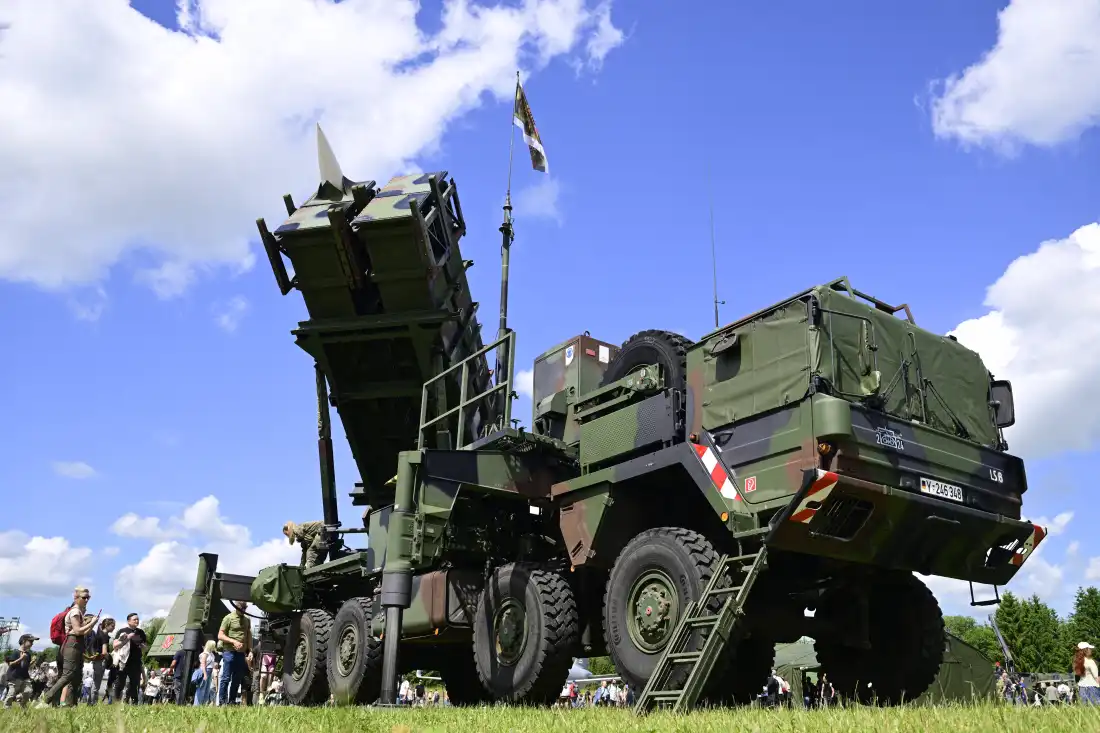
The core issue is the lack of a diversified supply chain. European nations have essentially put all their eggs in one basket. When that basket is being managed by a different country with its own set of urgent needs, the consequences are immediate. The Patriot missile system, a cornerstone of European air defense, exemplifies this problem. While it remains a highly capable system, the inability to secure a steady stream of interceptors leaves European nations vulnerable.
This crisis also highlights a missed historical opportunity. In 2022, as geopolitical tensions escalated, there were clear calls for European countries to "Europeanise" their defense procurement. This would have involved pooling resources, standardizing systems, and investing in indigenous production capabilities. Instead, these calls were largely ignored. The strategic gap is now painfully visible, forcing a painful reevaluation of defense strategies.
Furthermore, this situation is not just about hardware. It is about sovereignty and strategic autonomy. By relying on American technology, European nations have ceded a degree of control over their own security. As the U.S. and European interests begin to diverge over the coming decades, this dependency could become a significant liability. The Trump administration's approach to NATO and European defense served as a stark wake-up call, forcing a long-overdue conversation about the need to reduce reliance on the "American teat." The solution is not to abandon the alliance, but to build a more resilient and independent defense posture that can withstand future geopolitical shifts.

Frequently Asked Questions
Why are European countries facing missile shortages?
The shortages are primarily due to a massive production backlog in the United States. The U.S. military is currently focused on meeting its own urgent needs in the region, which has diverted production capacity away from European allies. Additionally, there have been significant delays in the manufacturing and delivery of these critical systems.
What is the "strategic lock-in" issue?
The "strategic lock-in" issue refers to the difficulty European nations face in switching suppliers once they have invested in American defense systems. These systems are often proprietary, meaning that European countries cannot simply purchase missiles from a different manufacturer. They are locked into a long-term relationship with the U.S. supplier, making them vulnerable to that supplier's decisions and priorities.
What was the missed opportunity in 2022?
In 2022, as geopolitical tensions rose, there was a strong push for European countries to invest in homegrown defense systems and pool their procurement efforts. Many experts argue that this was a critical moment to build strategic autonomy and reduce dependence on American technology. However, these calls were largely ignored, leading to the current situation of vulnerability and uncertainty.

Source: https://www.npr.org/sections/planet-money/2026/11/13/nx-s1-6039196/does-europe-regret-its-bet-on-u-s-defense
Related posts

ExxonMobil Revisits Venezuela: A Strategic Pivot in Global Oil Markets
Discover how the oil giant's return to Venezuela, once deemed 'uninvestable,' signals a major shift in energy geopolitics and climate policy.

Global IT Crisis: Microsoft Outlook Outage Impacts Millions Worldwide
Microsoft scrambles to fix widespread email outage affecting 430M users and critical infrastructure. Learn about the causes, global impact, and the future of cloud reliability.

Hamlet vs. CEO: How a Literature Professor Defends Short Dramas
Why do people love short dramas despite their clichés? An expert's analysis on the psychology of modern entertainment and the search for emotional catharsis.
Measles Outbreaks Cost US Millions Amid Rising Cases
As measles resurges in the US, outbreaks are imposing significant economic burdens through public health responses, lost productivity, and medical expenses.

After the Flood: China-Nepal Teams Search for Answers in the Himalayas
Two research teams explore the aftermath of the Nepal '8.26' debris flow, analyzing disaster mechanisms and assessing reconstruction needs for trans-Himalayan trade routes.

New Zealand Election: Two Major Parties Lose as Anti-Establishment Sentiment Grows
The 2026 New Zealand election results reveal a political earthquake, with the National and Labour parties suffering significant losses while new parties gain ground amid a deepening crisis of national trust.

MUJI Data Breach: 1 Million Credit Card Numbers Exposed
MUJI parent Ryohin Keikaku apologizes for a major data breach exposing 1.09 million credit card details. Here is the full analysis of the security failure.

Scout Motors' 212,000 Reservations: A New Era for American EVs?
As Scout Motors completes its $2 billion South Carolina plant, the startup reveals 212,000 vehicle reservations. Here is an analysis of their strategy and market potential.
Latest Articles
- US Home Sales Plummet to 16-Year Low Amid Rising Mortgage Rates
- The Truth About Vision Patches: Can They Really Reverse Myopia?
- Building a Constructive Strategic Relationship Between US and China
- Immersive Star Wars Experience: Disney's New Dome Partnership
- Indonesian Vice President Resigns Amid Political Turmoil and Power Shift
- Vance Seeks Direct Iran Talks as Tehran Dismisses Proposal as 'Fantasy'