Vance Seeks Direct Iran Talks as Tehran Dismisses Proposal as 'Fantasy'
US Vice President Vance considers direct dialogue with Iranian hardliners amid escalating tensions, while Iranian officials reject the approach and threaten European bases.
Source: thepaper.cn
As geopolitical tensions in the Middle East continue to simmer, a potential breakthrough in US-Iran relations appears increasingly uncertain. The United States is exploring direct diplomatic channels with Iran, while Tehran dismisses these efforts as unrealistic amid deep-seated mistrust and conflicting signals from Washington. This diplomatic dance occurs against a backdrop of heightened military rhetoric, economic sanctions, and the strategic importance of the Strait of Hormuz, making any potential negotiation both delicate and consequential.
Key Developments
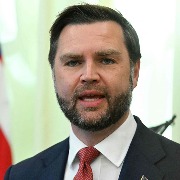
- Direct Diplomatic Outreach: US Vice President Vance has reportedly considered face-to-face talks with a senior Iranian security official, having sent a letter in late October to Iran's Supreme National Security Council Secretary Mohsen Rezaei requesting a meeting. These discussions are being facilitated through intermediaries, with President Trump having authorized Vance to restart negotiations.
- Iran's Seven Conditions: Iranian Parliament Speaker and Chief Negotiator Mohammad Bagher Ghalibaf reiterated that the US must meet seven unspecified conditions before Iran would agree to reopen the Strait of Hormuz and resume negotiations. Iranian officials have made clear these demands must be satisfied before any direct meeting with Vance.
- European Threats: In a dramatic escalation, Iran's Supreme National Security Council Secretary Rezai warned that if the US attacks Iran again, European military bases "participating in aggression" would become legitimate targets. "From West Asia to Europe, every military base participating in aggression will become a legitimate target for Iran's deadly strikes," Rezai stated, emphasizing there would be "no place of safety."
- Internal US Divisions: Trump's administration appears divided on the approach to Iran. While Vance has pursued diplomatic channels, Secretary of State Rubio and Defense Secretary Hegseth defend the Iran conflict as necessary to prevent Iran from acquiring nuclear weapons. Vance himself has publicly blamed the Iran war for Republican losses in midterm elections.
- Qatar as Potential Mediator: If direct talks proceed, Doha, Qatar's capital, is emerging as a likely venue. Vance recently met with Qatar's Prime Minister, followed by discussions with Trump and other officials, suggesting Qatar's potential role as a neutral ground for negotiations.
- Confidence-Building Measures: Intermediaries have proposed immediate steps to rebuild trust, including the US withdrawing its aircraft carrier to reduce the risk of large-scale strikes and easing port blockades in exchange for Iran allowing 25 oil tankers through the Strait of Hormuz.
In-Depth Analysis
The current diplomatic maneuvering represents a critical juncture in US-Iran relations that has evolved significantly since the previous administration's approach. The involvement of Vice President Vance signals a potential shift toward direct engagement, though Iran's public rejection of these efforts as "fantasy" suggests deep skepticism about American intentions. This skepticism is not unfounded, given the contradictory signals emanating from Washington, where President Trump simultaneously threatens military action while claiming the conflict is "effectively over."
The internal divisions within Trump's administration reflect broader strategic disagreements about how to handle Iran. While Vance appears to favor diplomatic solutions, other officials maintain a harder line, viewing economic pressure as the most effective tool against the Iranian regime. These divisions could potentially undermine any diplomatic initiative before it gains momentum.
The Strait of Hormuz remains a critical flashpoint, with its strategic importance as a global oil shipping lane making any disruption potentially catastrophic for global markets. Iran's control over this chokepoint gives it significant leverage in negotiations, while the US naval presence in the region demonstrates its commitment to maintaining freedom of navigation.
Looking ahead, the prospects for meaningful dialogue remain uncertain. Iran's insistence on preconditions, coupled with its threats against European allies, suggests Tehran is positioning itself for continued confrontation rather than compromise. Meanwhile, the US appears to be testing both diplomatic and military pressure simultaneously, a strategy that could further complicate efforts to de-escalate tensions.
Frequently Asked Questions
What are Iran's seven conditions for resuming negotiations? While the specific conditions haven't been fully disclosed, Iranian officials have indicated they include lifting maritime blockades, unfrozen assets, and relaxed oil sanctions as prerequisites for reopening the Strait of Hormuz and engaging in direct talks.
Why is Qatar being considered as a negotiation venue? Qatar has maintained relatively neutral relations with both the US and Iran, making it a potential intermediary. Its capital Doha has previously hosted diplomatic talks between regional powers, and recent meetings between Vance and Qatar's Prime Minister suggest it's being positioned as a potential neutral ground for negotiations.
How might European allies be affected by the escalating tensions? Iran's explicit threats against European military bases "participating in aggression" place European allies in a difficult position. Any direct involvement in potential US military actions could make their installations targets, forcing European nations to carefully balance their relationships with both the US and Iran.
Source: https://www.thepaper.cn/newsDetail_forward_34458502
Related posts
Building a Constructive Strategic Relationship Between US and China
Analysis of Liu Haixing's call for establishing a stable foundation for US-China relations through mutual respect, cooperation, and shared responsibility.

CANARX Executive Arrested in Major Drug Importation Scheme
US authorities arrest top Canadian healthcare official on charges of illegal prescription drug importation, raising questions about alternative funding programs.

The Truth About Vision Patches: Can They Really Reverse Myopia?
Investigation reveals how 'vision patches' on social media promise to reverse myopia but often use clinics without proper medical licenses. Learn the risks of these unverified treatments.
Gasoline Prices Drop Below $4: Why Gas Is Suddenly Cheaper
Gasoline prices have fallen below $4 a gallon for the first time in months. This analysis explores the seasonal shifts, oil market dynamics, and the geopolitical factors influencing fuel costs.
American Airlines Restores Fresh First Class Food: NY-Chicago Routes Revitalized
American Airlines brings back fresh food in first class on NY-Chicago flights for the first time since 2019. Discover the new menu and the competitive premium strategy.
JetBlue's CEO Betting on Premium Travel to Bounce Back
JetBlue Airways CEO Joanna Geraghty denies bankruptcy rumors, pivoting to a premium strategy with new BlueFirst seats to restore profitability.
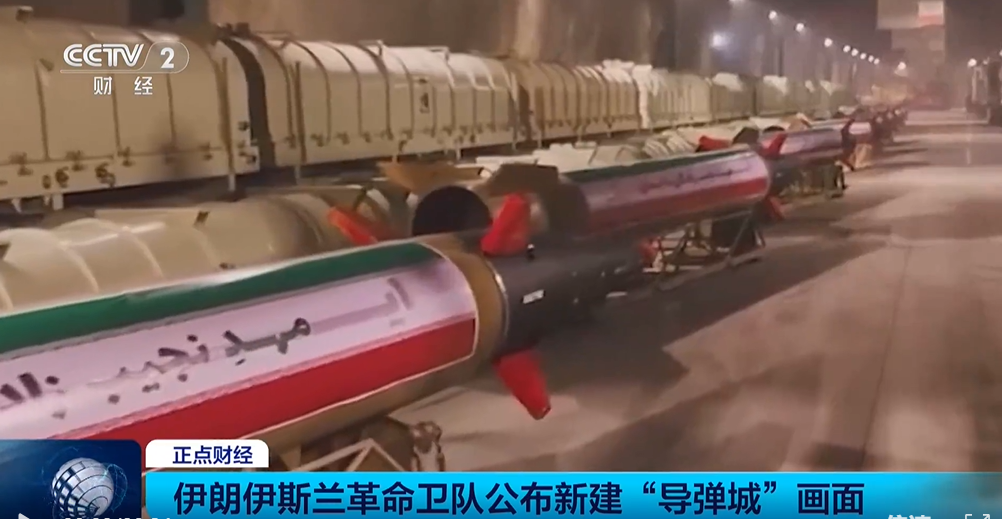
Iran Unveils Underground Missile City, Boosting Regional Defense Capabilities
Iran reveals a massive underground missile complex, lifting range limits and seeking advanced Russian air defense systems amid rising geopolitical tensions.
AI Image Detection: How Reliable Are Current Verification Tools?
As AI-generated images proliferate, we examine the limitations of current detection technologies and why human verification remains essential.
Latest Articles
- Climate Crisis: Why Historical Data No Longer Guides Our Future
- Missing Chinese Mountaineer: 25-Year-Old Blue Sky Rescue Team Member Lost on Mount Fuji
- Bus Crash in Seoul Kills 34: Traffic Safety Analysis
- Ukraine's Priority: Ceasefire in Abu Dhabi Talks
- Fossil Group's Turnaround: Q3 2026 Results Signal a Strong Comeback
- Financial Panic Grips All Economic Classes in America