Building a Constructive Strategic Relationship Between US and China
Analysis of Liu Haixing's call for establishing a stable foundation for US-China relations through mutual respect, cooperation, and shared responsibility.
Source: thepaper.cn
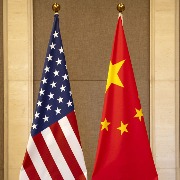
As global tensions continue to shape international relations, the future of US-China cooperation stands as one of the most critical factors for global stability. With both nations representing the world's two largest economies, their relationship directly influences economic markets, geopolitical dynamics, and international security. The recent dialogue between American and Chinese political parties offers a timely opportunity to reassess how these global powers can navigate their complex relationship in the coming decades.
Key Points
-
Correct Perception: Establishing accurate understanding of each other's strategic directions and development paths is fundamental to building a solid foundation for US-China relations. This requires moving beyond stereotypes and recognizing the legitimate development paths each nation has chosen.
-
Effective Dispute Management: Both countries must practice mutual respect while seeking common ground on differences. The challenge lies in transforming potential conflict points into opportunities for collaboration, gradually building trust through consistent diplomatic engagement.
-
Mutually Beneficial Cooperation: Expanding areas of collaboration while addressing fewer contentious issues can create a more positive relationship dynamic. Economic interdependence remains one of the strongest bridges between the two nations, offering numerous opportunities for joint initiatives.
-
People-to-People Exchanges: Strengthening cultural, educational, and professional exchanges helps build public support for bilateral cooperation. These grassroots connections create a reservoir of goodwill that can buffer political disagreements and foster mutual understanding.
-
Shared Global Responsibility: As major powers, both nations have a responsibility to coordinate on international challenges including climate change, public health, and regional security. Their cooperation on these issues demonstrates how bilateral relationships can contribute to global problem-solving.
In-depth Analysis
The current state of US-China relations reflects a complex interplay of competition and cooperation that defines the 21st century geopolitical landscape. Both nations recognize that their relationship extends beyond bilateral concerns to impact global stability and prosperity. The Asia-Pacific region, in particular, benefits from a stable US-China dynamic, as evidenced by the region's overall peace and development despite existing challenges.
Economic interdependence remains the strongest pillar of the relationship, with supply chains, financial markets, and technological innovation deeply connected between the two economies. However, strategic competition in areas like technology, military influence, and regional alliances continues to test the resilience of this economic foundation. The key challenge lies in managing this competition without allowing it to escalate into outright conflict.
Looking ahead, the success of US-China relations will depend on establishing clear communication channels, developing crisis management mechanisms, and identifying specific areas for concrete cooperation. Climate change, global health security, and nuclear non-proliferation offer promising starting points for collaborative action. The alternative—a fragmented global system with competing blocs—would create economic uncertainty and potentially dangerous security dilemmas.
Frequently Asked Questions
What are the main obstacles to US-China relations?
The primary obstacles include strategic mistrust, competing geopolitical interests, technological competition, and differing political systems. However, these challenges can be managed through consistent diplomatic engagement and identifying shared interests that transcend ideological differences.
How can businesses navigate the current US-China relationship?
Businesses should diversify their supply chains while maintaining strategic relationships in both markets. Companies should also stay informed about policy developments, invest in risk management strategies, and explore opportunities for collaboration in areas like green technology and digital innovation where both nations have mutual interests.
What role do other countries play in US-China relations?
Other nations, particularly in the Asia-Pacific region, play a crucial role by encouraging dialogue and cooperation between the US and China. Many countries benefit from stable relations between these powers and often act as intermediaries, helping to bridge differences and promote multilateral solutions to regional and global challenges.
Source: https://www.thepaper.cn/newsDetail_forward_34458565
Related posts

Vance Seeks Direct Iran Talks as Tehran Dismisses Proposal as 'Fantasy'
US Vice President Vance considers direct dialogue with Iranian hardliners amid escalating tensions, while Iranian officials reject the approach and threaten European bases.

CANARX Executive Arrested in Major Drug Importation Scheme
US authorities arrest top Canadian healthcare official on charges of illegal prescription drug importation, raising questions about alternative funding programs.

The Truth About Vision Patches: Can They Really Reverse Myopia?
Investigation reveals how 'vision patches' on social media promise to reverse myopia but often use clinics without proper medical licenses. Learn the risks of these unverified treatments.

Gasoline Prices Drop Below $4: Why Gas Is Suddenly Cheaper
Gasoline prices have fallen below $4 a gallon for the first time in months. This analysis explores the seasonal shifts, oil market dynamics, and the geopolitical factors influencing fuel costs.

American Airlines Restores Fresh First Class Food: NY-Chicago Routes Revitalized
American Airlines brings back fresh food in first class on NY-Chicago flights for the first time since 2019. Discover the new menu and the competitive premium strategy.

JetBlue's CEO Betting on Premium Travel to Bounce Back
JetBlue Airways CEO Joanna Geraghty denies bankruptcy rumors, pivoting to a premium strategy with new BlueFirst seats to restore profitability.
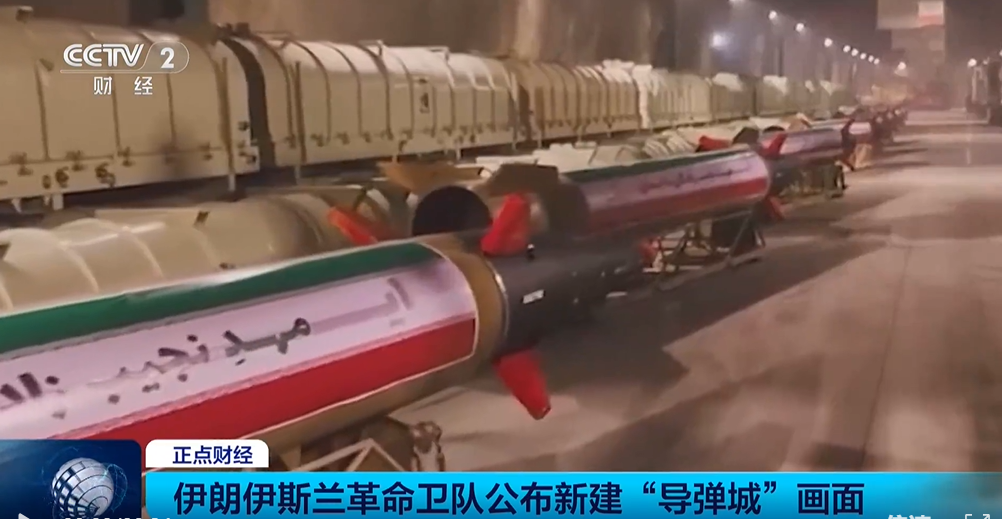
Iran Unveils Underground Missile City, Boosting Regional Defense Capabilities
Iran reveals a massive underground missile complex, lifting range limits and seeking advanced Russian air defense systems amid rising geopolitical tensions.

AI Image Detection: How Reliable Are Current Verification Tools?
As AI-generated images proliferate, we examine the limitations of current detection technologies and why human verification remains essential.
Latest Articles
- Climate Crisis: Why Historical Data No Longer Guides Our Future
- Missing Chinese Mountaineer: 25-Year-Old Blue Sky Rescue Team Member Lost on Mount Fuji
- Bus Crash in Seoul Kills 34: Traffic Safety Analysis
- Ukraine's Priority: Ceasefire in Abu Dhabi Talks
- Fossil Group's Turnaround: Q3 2026 Results Signal a Strong Comeback
- Financial Panic Grips All Economic Classes in America