Indonesian Vice President Resigns Amid Political Turmoil and Power Shift
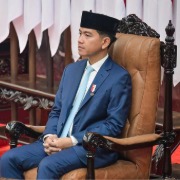
Indonesia's Vice President Gibran Rakabuming Raka steps down following legal challenges, signaling potential realignment in the nation's political landscape.
Source: thepaper.cn
The resignation of Indonesia's Vice President Gibran Rakabuming Raka has sent shockwaves through the nation's political establishment, marking a significant turning point in the delicate power balance between President Prabowo Subianto and former President Joko Widodo. This abrupt development comes amid escalating tensions between the two political heavyweights and raises critical questions about the future stability of Indonesia's governance structure.
Key Developments
- Resignation Triggers: Gibran, the eldest son of former President Joko Widodo, submitted his resignation on November 12, 2026, facing mounting pressure over a high school diploma controversy. The Indonesian Supreme Court had previously ruled that Gibran's high school graduation certificate used during the 2024 vice-presidential campaign was invalid, casting doubt on his eligibility for office.
- Political Fallout: President Prabowo has accepted Gibran's resignation, though the exact timing of the formal transition remains unclear. The resignation occurs against a backdrop of deteriorating relations between Prabowo and Joko, with recent arrests including Joko's former chief of staff for alleged illegal wiretapping.
- Legal Challenges: The Supreme Court's ruling doesn't automatically remove Gibran from office but triggers a constitutional process. Parliament had already begun impeachment proceedings with 120 lawmakers from eight parties supporting the move.
- Succession Process: Under Indonesia's constitution, the vice presidential vacancy won't trigger new elections. Instead, Prabowo will nominate two candidates, and Parliament must select a new vice president within 60 days.
- Alliance Strain: The resignation signals the apparent breakdown of the political alliance between Prabowo and Joko that was crucial for Prabowo's 2024 victory. Recent developments include the departure of three cabinet members from Joko's son's party and the sidelining of Joko's allies from key positions.
In-depth Analysis
The political turmoil in Indonesia reflects deeper structural challenges in the world's third-largest democracy. The apparent fracturing of the Prabowo-Joko alliance, which was instrumental in Prabowo's electoral victory, suggests a return to more traditional factional politics rather than the coalition governance that characterized the early months of the administration.
Economically, Indonesia faces significant headwinds with the rupiah depreciating by approximately 8% against the dollar this year, making it one of Asia's worst-performing currencies. The Jakarta stock market has similarly struggled, raising concerns about the nation's investment climate. MSCI has warned that Indonesia's emerging market rating could be downgraded unless "investment suitability" issues are addressed.
Environmentally, the country is grappling with its worst forest fires in a decade, causing severe air quality deterioration that has affected neighboring countries. Public discontent has manifested in protests across multiple cities over economic conditions and environmental policies, further complicating the political landscape.
The resignation of Gibran, a 39-year-old political heir who rose to prominence through his father's political machinery, may represent a broader rejection of dynastic politics in Indonesia. This development could potentially open doors for more merit-based political appointments, though the immediate future remains uncertain as competing factions maneuver for influence in selecting Gibran's successor.
Frequently Asked Questions
What led to Gibran's resignation? Gibran resigned primarily due to a Supreme Court ruling that invalidated his high school diploma, which he had used to meet the educational requirements for the vice presidential position. This legal challenge, combined with the political pressure from impeachment proceedings, created an untenable situation for his continued service.
How will this affect Indonesia's political stability? The resignation exacerbates the already strained relationship between President Prabowo and former President Joko, potentially leading to a realignment of political forces. This could create short-term instability as the administration adjusts to the power vacuum, though Indonesia's political institutions have mechanisms to manage such transitions.
What are the economic implications of this political turmoil? Indonesia's economic challenges, including currency depreciation and stock market underperformance, may be compounded by political uncertainty. The government's ability to implement key policies, including the new capital city project, could be hampered, potentially affecting investor confidence and the nation's economic outlook.
Source: https://www.thepaper.cn/newsDetail_forward_34459104
Related posts
Building a Constructive Strategic Relationship Between US and China
Analysis of Liu Haixing's call for establishing a stable foundation for US-China relations through mutual respect, cooperation, and shared responsibility.

Vance Seeks Direct Iran Talks as Tehran Dismisses Proposal as 'Fantasy'
US Vice President Vance considers direct dialogue with Iranian hardliners amid escalating tensions, while Iranian officials reject the approach and threaten European bases.

CANARX Executive Arrested in Major Drug Importation Scheme
US authorities arrest top Canadian healthcare official on charges of illegal prescription drug importation, raising questions about alternative funding programs.
The Truth About Vision Patches: Can They Really Reverse Myopia?
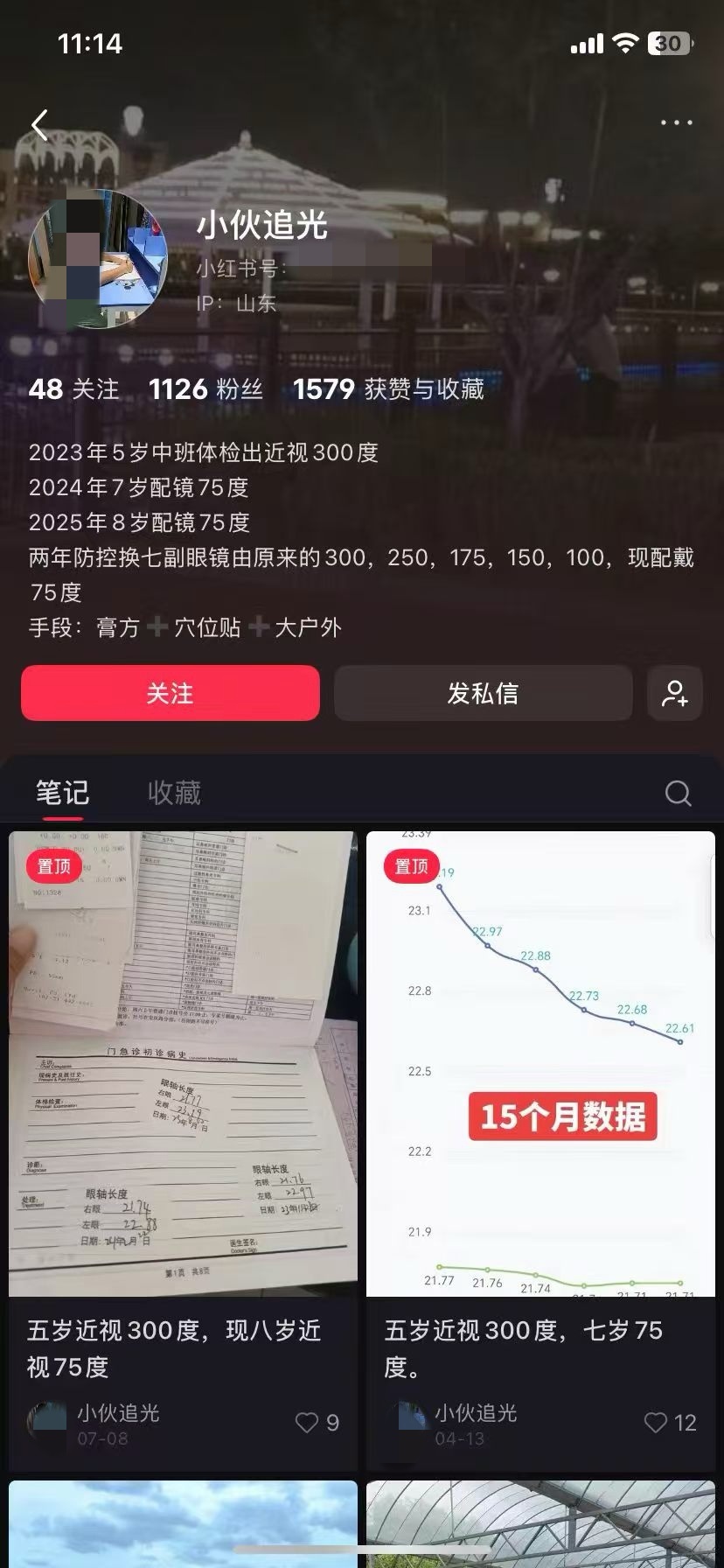
Investigation reveals how 'vision patches' on social media promise to reverse myopia but often use clinics without proper medical licenses. Learn the risks of these unverified treatments.

Gasoline Prices Drop Below $4: Why Gas Is Suddenly Cheaper
Gasoline prices have fallen below $4 a gallon for the first time in months. This analysis explores the seasonal shifts, oil market dynamics, and the geopolitical factors influencing fuel costs.
American Airlines Restores Fresh First Class Food: NY-Chicago Routes Revitalized
American Airlines brings back fresh food in first class on NY-Chicago flights for the first time since 2019. Discover the new menu and the competitive premium strategy.
JetBlue's CEO Betting on Premium Travel to Bounce Back
JetBlue Airways CEO Joanna Geraghty denies bankruptcy rumors, pivoting to a premium strategy with new BlueFirst seats to restore profitability.
Iran Unveils Underground Missile City, Boosting Regional Defense Capabilities
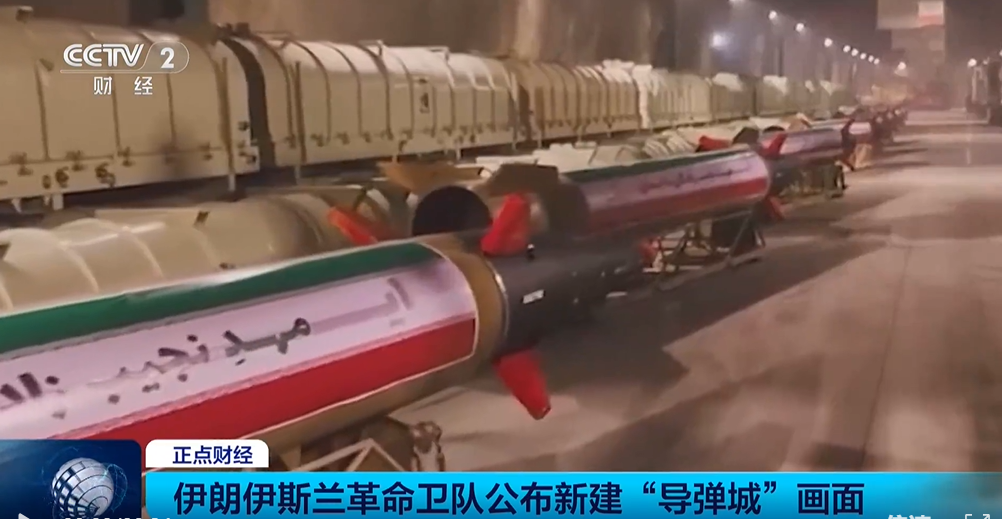
Iran reveals a massive underground missile complex, lifting range limits and seeking advanced Russian air defense systems amid rising geopolitical tensions.
Latest Articles
- AI Image Detection: How Reliable Are Current Verification Tools?
- Climate Crisis: Why Historical Data No Longer Guides Our Future
- Missing Chinese Mountaineer: 25-Year-Old Blue Sky Rescue Team Member Lost on Mount Fuji
- Bus Crash in Seoul Kills 34: Traffic Safety Analysis
- Ukraine's Priority: Ceasefire in Abu Dhabi Talks
- Fossil Group's Turnaround: Q3 2026 Results Signal a Strong Comeback