After the Flood: China-Nepal Teams Search for Answers in the Himalayas
Two research teams explore the aftermath of the Nepal '8.26' debris flow, analyzing disaster mechanisms and assessing reconstruction needs for trans-Himalayan trade routes.
Source: thepaper.cn
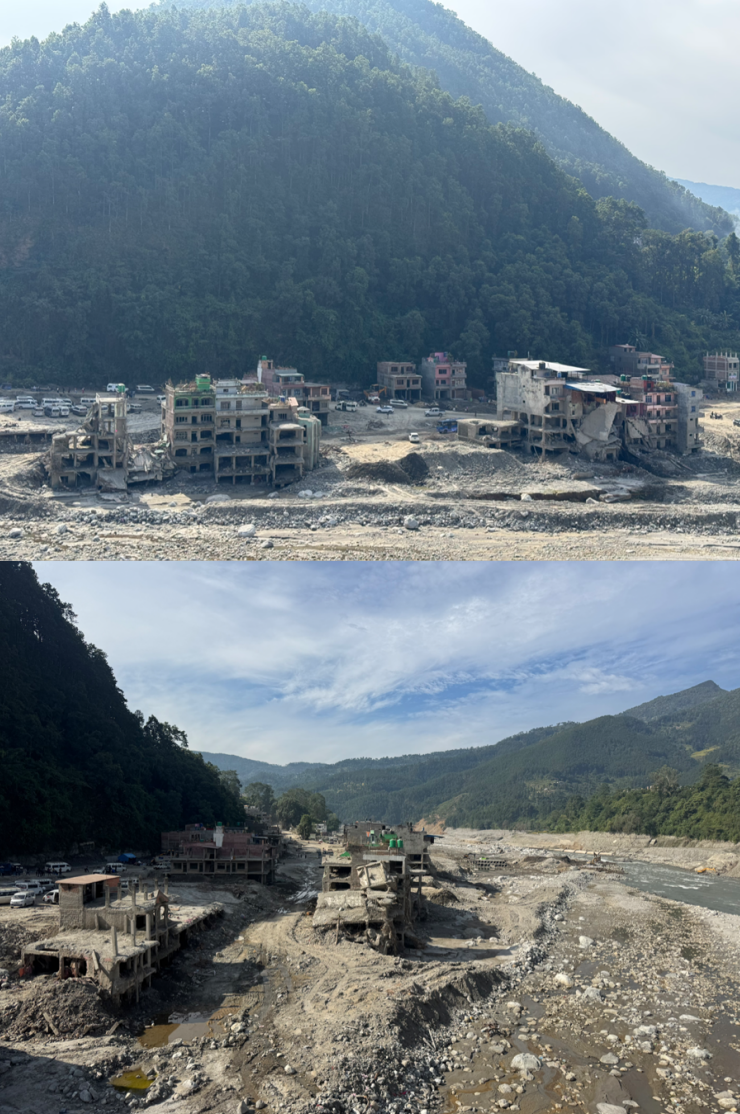
The recent catastrophic debris flow in Nepal has not only devastated communities along the Bhotekoshi River but also exposed the fragility of critical cross-border infrastructure. As the waters recede, the focus has shifted from immediate rescue to a complex scientific and logistical mission. Two distinct Chinese-Nepal scientific teams are now traversing the Himalayan valleys, attempting to piece together the geological puzzle of the disaster while simultaneously planning for the long-term resilience of the region.
Key Insights from the Field
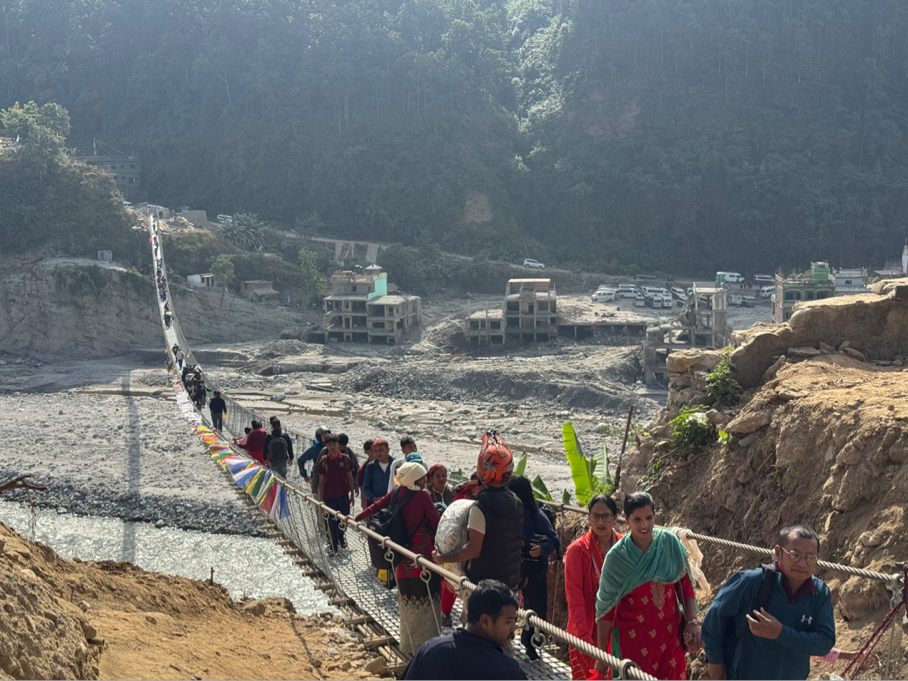
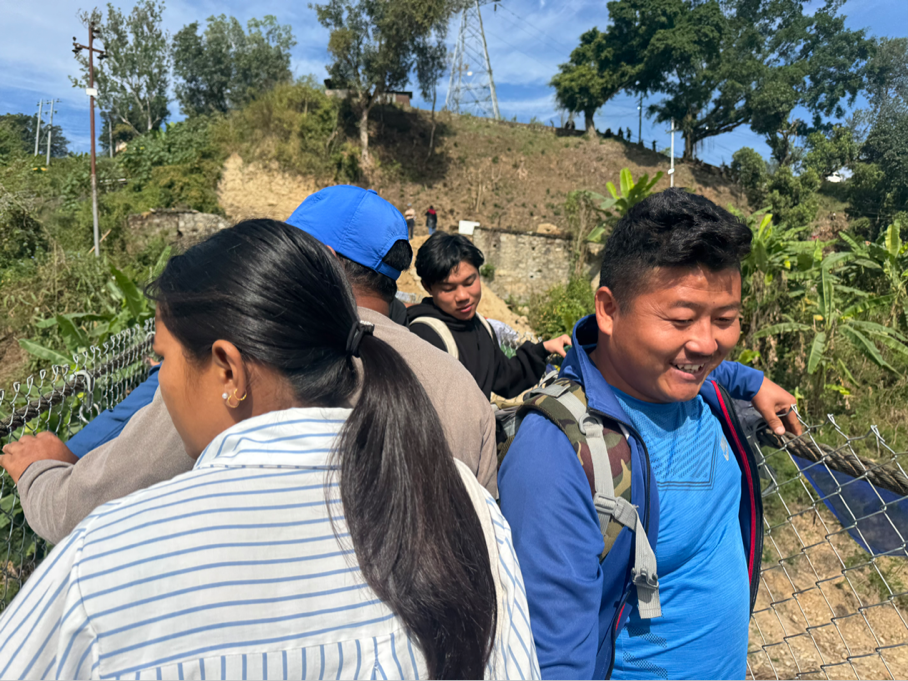
- A Race Against Time for Connectivity: The disaster severed the vital link between Bidur and Chisapani, leaving residents stranded for over 50 days. The temporary suspension bridge, known locally as a 'Tuin,' became the only lifeline, requiring hours of queuing for a mere ten-minute crossing. The recent opening of a new 268-meter steel suspension bridge is a significant, albeit incomplete, step toward restoring normalcy.
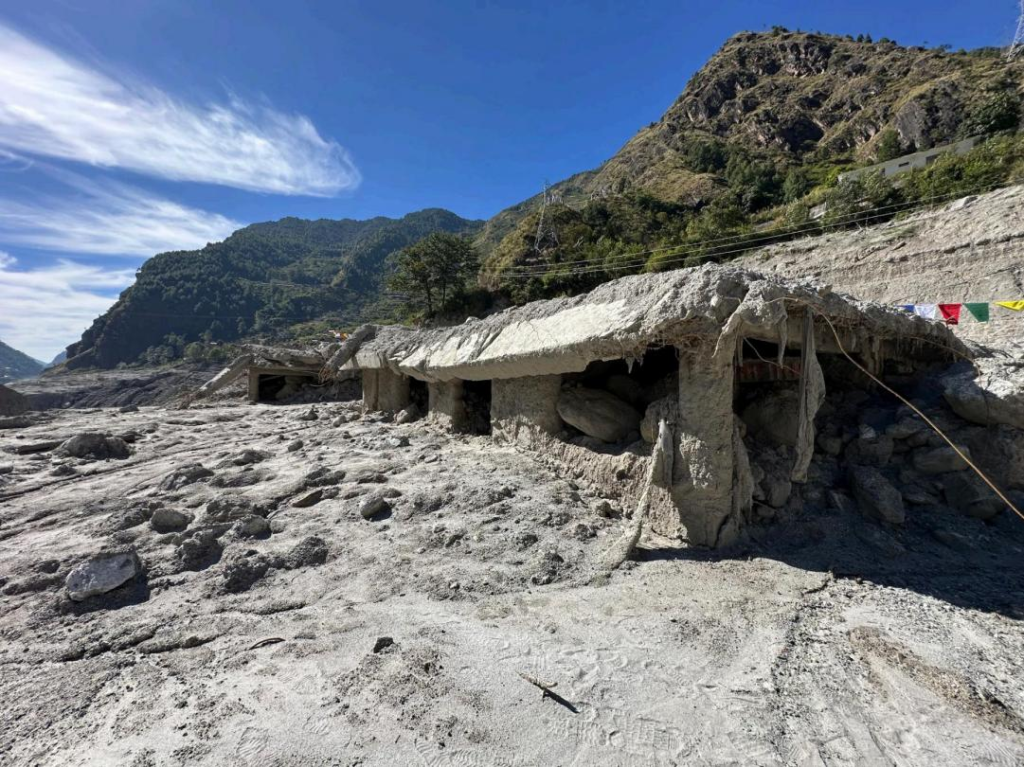
- Complex Geological Evolution: Researchers are working to reconstruct the sequence of events. The disaster began with an ice-rock collapse at 5,200 meters, which accelerated down to 4,000 meters, transforming into a massive debris flow. The team is analyzing how this flow evolved from a high-velocity torrent in narrow gorges to a slower-moving, sediment-heavy stream in wider valleys, a transition that determines where debris accumulates.
- Infrastructure as the Primary Priority: While the emotional toll is evident, the economic imperative is clear: bridges must be rebuilt first. The survey indicates that over 100 bridges were damaged, with only one major road bridge surviving far from the epicenter. Re-establishing connectivity is the prerequisite for any future reconstruction of homes or industries.
- Challenges in Post-Disaster Governance: The reconstruction process is hindered by bureaucratic complexities. Local governments lack the funding and authority to execute large-scale infrastructure projects independently. The team observed that coordination between federal, provincial, and local authorities is currently fragmented, creating delays in getting funds and construction plans approved.
- Exploring Alternative Trade Routes: With the traditional Kyirong and Zhangmu corridors facing challenges, attention is turning to the less-traveled Chenqung-Kimathanka route in the eastern Arun Valley. This corridor offers a potential new artery for trade, specifically for goods like Bodhi seeds and agricultural products, though it also presents unique geological risks that require careful assessment.
- Climate Change and Stability: The survey teams are investigating why certain slopes have become unstable in recent years. Factors under scrutiny include climate change-induced rainfall patterns, the lingering effects of the 2015 earthquakes, and the destabilization caused by road construction and hydroelectric projects. Identifying the root causes is essential for future disaster prevention.
In-Depth Analysis
The recent Nepal '8.26' disaster serves as a stark reminder of the increasing volatility of mountainous regions in the face of climate change and geological instability. The investigation led by Tian Hongling from the Institute of Mountain Hazards and Environment highlights the difficulty of accessing the high-altitude source zones where the disaster originated. The fact that the team could only reach Syabrubesi, approximately 14 kilometers from the epicenter, underscores the extreme danger and logistical barriers posed by such events.
The transition of the debris flow from a high-energy torrent in narrow gorges to a slower-moving stream in wider valleys is a critical finding. This behavior dictates the path of destruction and the areas most likely to suffer from sediment deposition. By analyzing the grain size and distribution of riverbed materials, researchers can identify the 'transition zones' where the flow loses energy and deposits its heaviest loads. This knowledge is vital for future engineering solutions, such as designing protective levees or sediment traps.
Beyond the immediate physical damage, the article sheds light on the socio-economic challenges of rebuilding in remote areas. The reliance on a single, long-distance road bridge highlights the vulnerability of supply chains. The proposed Chenqung-Kimathanka route represents a strategic diversification of trade routes, potentially offering a more direct link to China's Yunnan and Tibet regions. However, the survey reveals that this route is not without its own risks, particularly regarding the stability of slopes near existing hydroelectric projects.
The bureaucratic hurdles described in the article are a significant barrier to recovery. The need for multi-level government coordination for infrastructure projects is a common challenge in federal systems, but in a disaster zone, it can be paralyzing. The survey team's observation that local governments lack the budget to implement plans suggests that federal and provincial funding mechanisms must be streamlined and made more responsive to urgent needs.
Ultimately, the mission of these scientific teams extends beyond academic curiosity. Their findings will directly inform the design of safer bridges, the routing of new roads, and the implementation of early warning systems. The goal is to create a 'long-term safe passage' that can withstand the next cycle of monsoon rains and geological shifts, ensuring that the people of the Himalayas are not left vulnerable to the next disaster.
Frequently Asked Questions
What caused the massive debris flow in Nepal in August 2026?
The disaster was triggered by the collapse of an ice-rock mass at an altitude of approximately 5,200 meters. This initial collapse accelerated down the mountain, eroding the terrain and transforming into a massive debris flow that devastated the valley floor.
How are the Chinese and Nepali teams working together to solve this?
The teams are conducting joint field surveys to analyze the geological evolution of the disaster, assess environmental risks, and evaluate infrastructure needs. Their findings will be compiled into a joint report to guide reconstruction and disaster prevention strategies.
Why is rebuilding bridges so difficult in this region?
Rebuilding bridges requires significant engineering resources and precise timing, especially during the monsoon season. Furthermore, the logistical challenges of transporting materials to remote mountainous areas and the need for high-level government approval for funding make the process complex and time-consuming.
Source: https://www.thepaper.cn/newsDetail_forward_34460408
Related posts

Measles Outbreaks Cost US Millions Amid Rising Cases
As measles resurges in the US, outbreaks are imposing significant economic burdens through public health responses, lost productivity, and medical expenses.

Hamlet vs. CEO: How a Literature Professor Defends Short Dramas
Why do people love short dramas despite their clichés? An expert's analysis on the psychology of modern entertainment and the search for emotional catharsis.

Scout Motors' 212,000 Reservations: A New Era for American EVs?
As Scout Motors completes its $2 billion South Carolina plant, the startup reveals 212,000 vehicle reservations. Here is an analysis of their strategy and market potential.

US Home Sales Plummet to 16-Year Low Amid Rising Mortgage Rates
Existing home sales drop to 3.75 million in October, marking the lowest level since 2010 as high mortgage rates continue to dampen the housing market.

The Truth About Vision Patches: Can They Really Reverse Myopia?
Investigation reveals how 'vision patches' on social media promise to reverse myopia but often use clinics without proper medical licenses. Learn the risks of these unverified treatments.

Building a Constructive Strategic Relationship Between US and China
Analysis of Liu Haixing's call for establishing a stable foundation for US-China relations through mutual respect, cooperation, and shared responsibility.

Immersive Star Wars Experience: Disney's New Dome Partnership
Experience the galaxy far, far away in 12K resolution. Disney's new deal with Cosm brings Star Wars to massive domes for a 50th anniversary celebration.

Indonesian Vice President Resigns Amid Political Turmoil and Power Shift
Indonesia's Vice President Gibran Rakabuming Raka steps down following legal challenges, signaling potential realignment in the nation's political landscape.
Latest Articles
- Vance Seeks Direct Iran Talks as Tehran Dismisses Proposal as 'Fantasy'
- CANARX Executive Arrested in Major Drug Importation Scheme
- Gasoline Prices Drop Below $4: Why Gas Is Suddenly Cheaper
- American Airlines Restores Fresh First Class Food: NY-Chicago Routes Revitalized
- JetBlue's CEO Betting on Premium Travel to Bounce Back
- Iran Unveils Underground Missile City, Boosting Regional Defense Capabilities