GM's CarBravo Strategy: Bridging the Gap Between Used Car Shoppers and New Vehicle Sales
General Motors is revolutionizing the used car market with its CarBravo program, aiming to convert used car buyers into new vehicle customers through certified pre-owned vehicles and dealership relationships.
Source: CNBC
As affordability challenges push many buyers toward the used car market, automakers are finding innovative ways to compete with online retailers and bring customers back to new vehicles. The automotive industry, traditionally slow to adopt digital retail transformation, is now leveraging technology and certified programs to capture market share while maintaining profitability.
Core Content
-
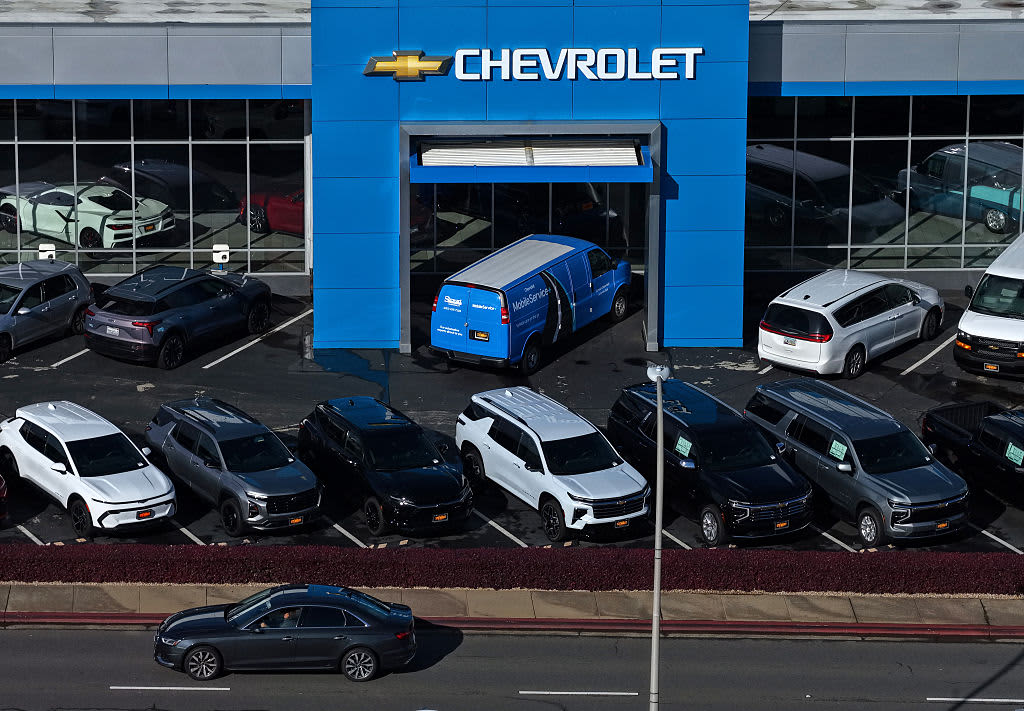
Revolutionizing the Certified Pre-Owned Market: General Motors has transformed its certified used vehicle program into CarBravo, an online portal that allows Chevrolet, Buick, and GMC dealers to list certified vehicles nationwide. This strategic move positions GM to compete with established online retailers like Carvana and CarMax while tapping into the growing demand for certified pre-owned vehicles.
-
Cross-Brand Certification Strategy: Unlike traditional certified programs limited to a single manufacturer's vehicles, CarBravo certifies vehicles from various automakers. This approach addresses the reality that many trade-ins come from different brands, giving dealers the opportunity to profit from these vehicles rather than wholesaling them at auctions.
-
Dealership Network Advantage: A key differentiator of CarBravo is its integration with GM's extensive dealership network. Certified vehicles come with manufacturer warranties and service guarantees, creating a value proposition that online retailers struggle to match. This physical presence allows for personalized customer interactions that can influence purchasing decisions.
-
Conversion Metrics: GM reports that approximately 38% of shoppers initially looking for used vehicles through CarBravo end up purchasing new vehicles. The program aims to achieve 250,000 sales in 2026, with a significant portion potentially converting to new car purchases despite initial expectations.
-
Financial Incentives and Loan Structures: The program leverages the fact that new vehicles often come with longer loan terms (up to 84 months) compared to used cars, resulting in potentially lower monthly payments. By presenting customers with comparable monthly costs between used and new vehicles, dealers can highlight the value proposition of purchasing new.
-
Customer Acquisition and Retention: About 50% of buyers through CarBravo are new to the GM brand, and 70% had never visited the dealership they ultimately purchased from. This demonstrates the program's effectiveness in attracting new customers and building relationships that extend beyond the initial purchase.
In-Depth Analysis
The automotive industry's shift toward certified pre-owned programs represents a fundamental change in how manufacturers approach the used car market. GM's CarBravo strategy acknowledges that while new vehicle sales are more profitable for automakers, the used car market remains crucial for dealers who generate significant revenue from service and maintenance. By creating a certified program that spans multiple brands, GM is addressing the reality of modern dealership operations where trade-ins from various manufacturers flow through their lots.
The success of these programs hinges on building customer relationships that extend beyond the initial purchase. Certified pre-owned buyers return to dealerships for service at higher rates than non-certified buyers, creating a steady revenue stream that often accounts for nearly half of a dealership's profits. Additionally, these programs provide automakers with opportunities to sell subscription services like GM's OnStar, representing a growing revenue stream in the automotive industry's transition toward software-defined vehicles.
Industry data shows that while the average transaction price for a new vehicle is approximately $50,000, a 3-year-old used car costs about $30,000. However, purchasing decisions are increasingly based on monthly payment considerations rather than sticker price, with longer loan terms making new vehicles more accessible to budget-conscious consumers. This financial reality, combined with the growing consumer preference for certified vehicles (expressed by about three-quarters of consumers), creates fertile ground for programs like CarBravo to thrive.
Looking ahead, automakers will likely continue to expand their certified pre-owned programs as a means of customer acquisition and retention. The integration of digital retail platforms with physical dealership networks represents the future of automotive sales, blending the convenience of online shopping with the personalized service that only in-person interactions can provide. As competitors like Ford and Toyota also report significant conversion rates from used to new car shoppers, this strategy is becoming an industry standard rather than a competitive differentiator.
Frequently Asked Questions
How does CarBravo differ from other certified pre-owned programs? CarBravo uniquely certifies vehicles from multiple manufacturers, not just GM brands, allowing dealers to profit from trade-ins regardless of origin. This cross-brand certification approach, combined with integration into GM's extensive dealership network for service and support, sets it apart from traditional single-manufacturer programs.
What percentage of used car shoppers actually convert to new vehicle purchases? GM reports that approximately 38% of shoppers initially looking for used vehicles through CarBravo end up purchasing new vehicles. Industry-wide, Toyota reports about 40% of its used car shoppers convert to new purchases, indicating this is a significant and growing trend across the automotive sector.
Source: https://www.cnbc.com/2026/11/10/gm-carbravo-used-car-shoppers.html
Related posts
ExxonMobil Revisits Venezuela: A Strategic Pivot in Global Oil Markets
Discover how the oil giant's return to Venezuela, once deemed 'uninvestable,' signals a major shift in energy geopolitics and climate policy.

Europe's Strategic Bet On U.S. Defense: A Growing Regret?
Europe faces a critical dilemma as reliance on American defense technology creates supply chain vulnerabilities and strategic risks.

Global IT Crisis: Microsoft Outlook Outage Impacts Millions Worldwide
Microsoft scrambles to fix widespread email outage affecting 430M users and critical infrastructure. Learn about the causes, global impact, and the future of cloud reliability.

Hamlet vs. CEO: How a Literature Professor Defends Short Dramas
Why do people love short dramas despite their clichés? An expert's analysis on the psychology of modern entertainment and the search for emotional catharsis.

Measles Outbreaks Cost US Millions Amid Rising Cases
As measles resurges in the US, outbreaks are imposing significant economic burdens through public health responses, lost productivity, and medical expenses.

After the Flood: China-Nepal Teams Search for Answers in the Himalayas
Two research teams explore the aftermath of the Nepal '8.26' debris flow, analyzing disaster mechanisms and assessing reconstruction needs for trans-Himalayan trade routes.

New Zealand Election: Two Major Parties Lose as Anti-Establishment Sentiment Grows
The 2026 New Zealand election results reveal a political earthquake, with the National and Labour parties suffering significant losses while new parties gain ground amid a deepening crisis of national trust.
MUJI Data Breach: 1 Million Credit Card Numbers Exposed
MUJI parent Ryohin Keikaku apologizes for a major data breach exposing 1.09 million credit card details. Here is the full analysis of the security failure.
Latest Articles
- Scout Motors' 212,000 Reservations: A New Era for American EVs?
- US Home Sales Plummet to 16-Year Low Amid Rising Mortgage Rates
- The Truth About Vision Patches: Can They Really Reverse Myopia?
- Building a Constructive Strategic Relationship Between US and China
- Immersive Star Wars Experience: Disney's New Dome Partnership
- Indonesian Vice President Resigns Amid Political Turmoil and Power Shift