Boeing 737 Max 10 Certification Clears Software Glitch, FAA Confirms
FAA confirms Boeing 737 Max 10 software glitch isn't a flight safety issue, paving the way for certification after years of crisis.
Source: CNBC
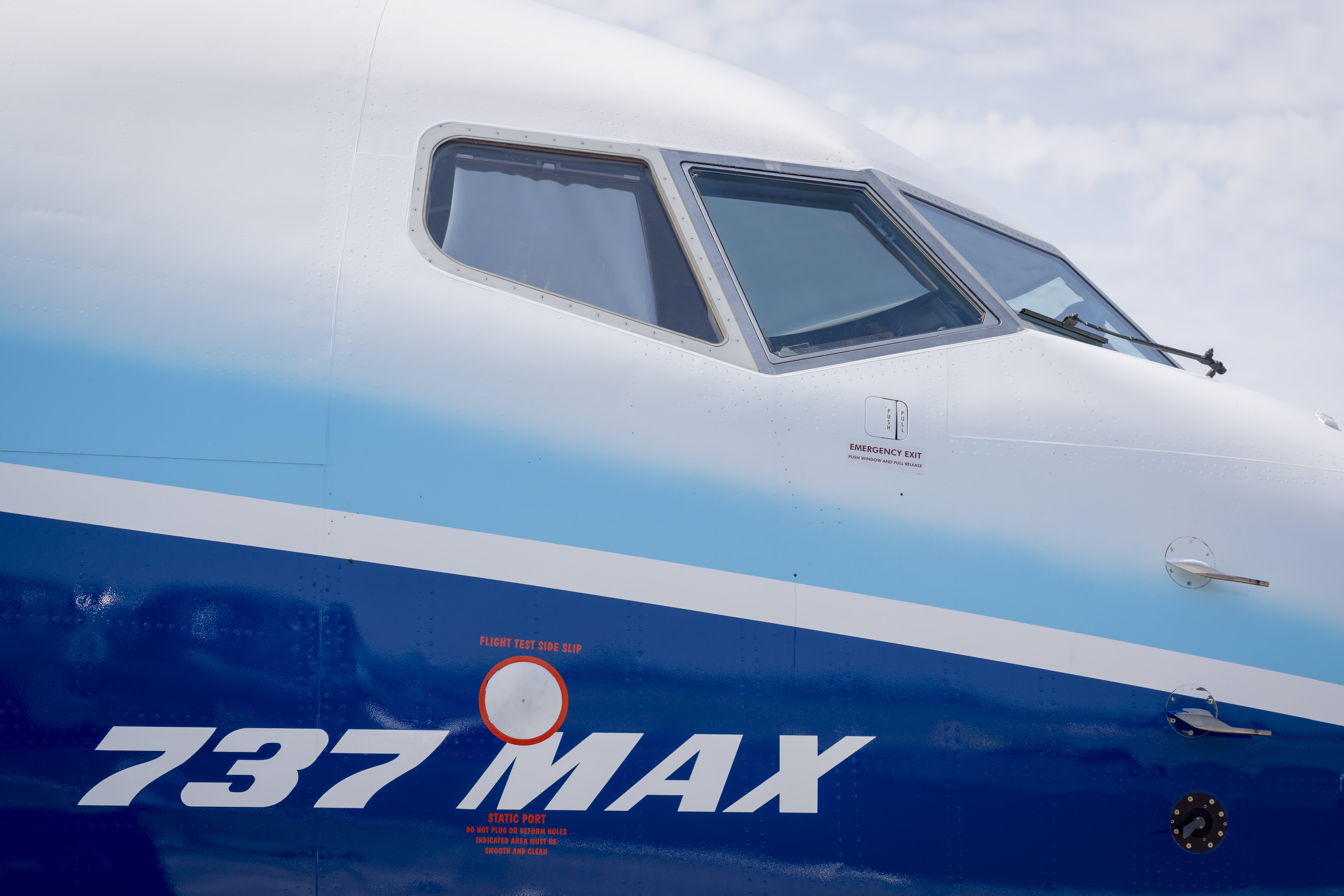
After years of turbulence in its manufacturing and safety reputation, Boeing is inching closer to a critical milestone. The Federal Aviation Administration (FAA) has announced a significant determination regarding the final model in the iconic 737 Max family. The agency confirmed that a recent software glitch discovered on certain aircraft is not a flight-safety issue. This clearance is a pivotal step toward securing government certification for the 737 Max 10, the largest and most ambitious variant of the line. As the aviation giant seeks to stabilize its operations and regain market trust, this regulatory green light comes at a crucial juncture.
Key Takeaways
- Regulatory Clearance: The FAA has determined that the software issue in certain 737 Max flight computers is not a safety concern, clearing the path for certification.
- Pilot Control Maintained: The agency confirmed that pilots retain full control of the aircraft and receive clear, unambiguous indications during the glitch scenario.
- Specific Trigger Condition: The issue is reported to arise specifically after a missed approach when pilots alter a preprogrammed flight path.
- Actionable Guidance: The FAA will issue a special bulletin to airlines with specific instructions on how to recognize and respond to the issue if it occurs.
- U.S. Airlines Safe: Major U.S. airlines stated they are not affected as they can revert to older software versions.
- Delayed Certification: The certification of the 737 Max 10, originally expected in early fall, has faced delays, though the latest finding is a positive step forward.
- Competitive Pressure: The certification is vital for Boeing to compete with Airbus's A321neo in the single-aisle market.
In-Depth Analysis
This latest development marks a critical, albeit cautious, step for Boeing as it attempts to navigate a complex landscape of post-pandemic recovery and intense regulatory scrutiny. The determination by the FAA's Corrective Action Review Board, comprised of experts in airframes, flight controls, and propulsion, signals a pragmatic approach to resolving technical anomalies. By concluding that the glitch does not compromise safety, the FAA has effectively removed a significant hurdle that could have further stalled the certification timeline for the 737 Max 10.
However, the situation also underscores the fragility of Boeing's reputation. The fact that the issue was flagged only after a missed approach and a deviation from a preprogrammed flight path raises questions about the robustness of the software's logic in edge-case scenarios. While the FAA's assurance that pilots have full manual control provides a necessary safety net, the reliance on pilot intervention to use automated tools on subsequent approaches introduces a potential layer of human error during critical operations. This highlights the broader industry challenge of balancing automation with pilot proficiency.
Furthermore, the certification of the 737 Max 10 is not just a technical formality; it is a strategic imperative. The aircraft is the direct competitor to the Airbus A321neo, which has captured significant market share in the single-aisle segment. For Boeing to remain a viable player in the global aviation market, it cannot afford to be left behind. The delays in certification have already allowed Airbus to gain a competitive edge, and any further setbacks could have long-term implications for Boeing's market positioning.
The decision to issue a special bulletin to airlines, rather than grounding the aircraft or mandating a complete software overhaul, reflects a measured approach. It acknowledges the issue exists but trusts that airlines can manage it with the right guidance. This approach is likely to be welcomed by carriers who have been eager to integrate the Max 10 into their fleets to replace aging aircraft and improve operational efficiency.
Looking ahead, the focus will shift from software verification to the broader manufacturing and safety culture at Boeing. The FAA's review board will continue to monitor the situation, and the agency has left the door open for further action should new information arise. For Boeing, the path forward requires not just technical fixes but a demonstrable commitment to safety and transparency to fully restore confidence among regulators, airlines, and passengers alike.
Frequently Asked Questions
What is the specific software glitch on the Boeing 737 Max 10?
The glitch involves a software issue in certain 737 Max flight computers. It is reported to occur after a missed approach when pilots alter a preprogrammed flight path, requiring pilots to take additional steps to use automated tools on subsequent approaches.
Why is the Boeing 737 Max 10 certification so important?
The 737 Max 10 is the largest model in the 737 family and the last to require certification. It is crucial for Boeing to compete with Airbus's A321neo and to sell and deliver more aircraft after years of safety and manufacturing crises.
Did the FAA ground the aircraft or require a software fix?
No, the FAA determined the issue is not a flight-safety issue. They will issue a special bulletin to airlines on how to recognize and respond to the issue if it arises, rather than grounding the aircraft or mandating a specific software patch.
Source: https://www.cnbc.com/2026/10/02/faa-says-boeing-737-max-10-software-glitch-not-a-flight-safety-issue.html
Related posts
Japan-US Military Exercise Deploys Advanced Missiles to Yonaguni Island
Japan and US to conduct large-scale joint military drills with new coastal missile systems deployed to strategic Yonaguni island for the first time.
Dubai Flight Hijack: Terror Probe, Political Fallout, and Aviation Security
An in-depth analysis of the Dubai to Tel Aviv flight incident, the investigation into the co-pilot's motives, and the geopolitical tensions surrounding the attack.
South Korea Abolishes Prosecution Office in Major Judicial Reform
South Korea's 78-year-old prosecution system is replaced by two new agencies amid criticism of political prosecutions and overreach.
US Deploys Third Aircraft Carrier to Middle East Amid Rising Tensions
The United States is sending a third aircraft carrier strike group and nearly 10,000 additional troops to the Middle East, escalating military presence in the region amid growing tensions with Iran.
Mattel Shares Surge After Takeover Interest From Authentic Brands Group
Shares of Mattel surged nearly 20% after reports of a potential $6 billion acquisition offer from Authentic Brands Group. Here is what you need to know about the toy giant's strategic pivot.

Nike Restructuring: Layoffs, Supply Chain Overhaul, and Q1 2027 Outlook
Nike announces major restructuring plan with layoffs starting 2027, expecting high-single-digit revenue decline in fiscal 2027 amid China slowdown.
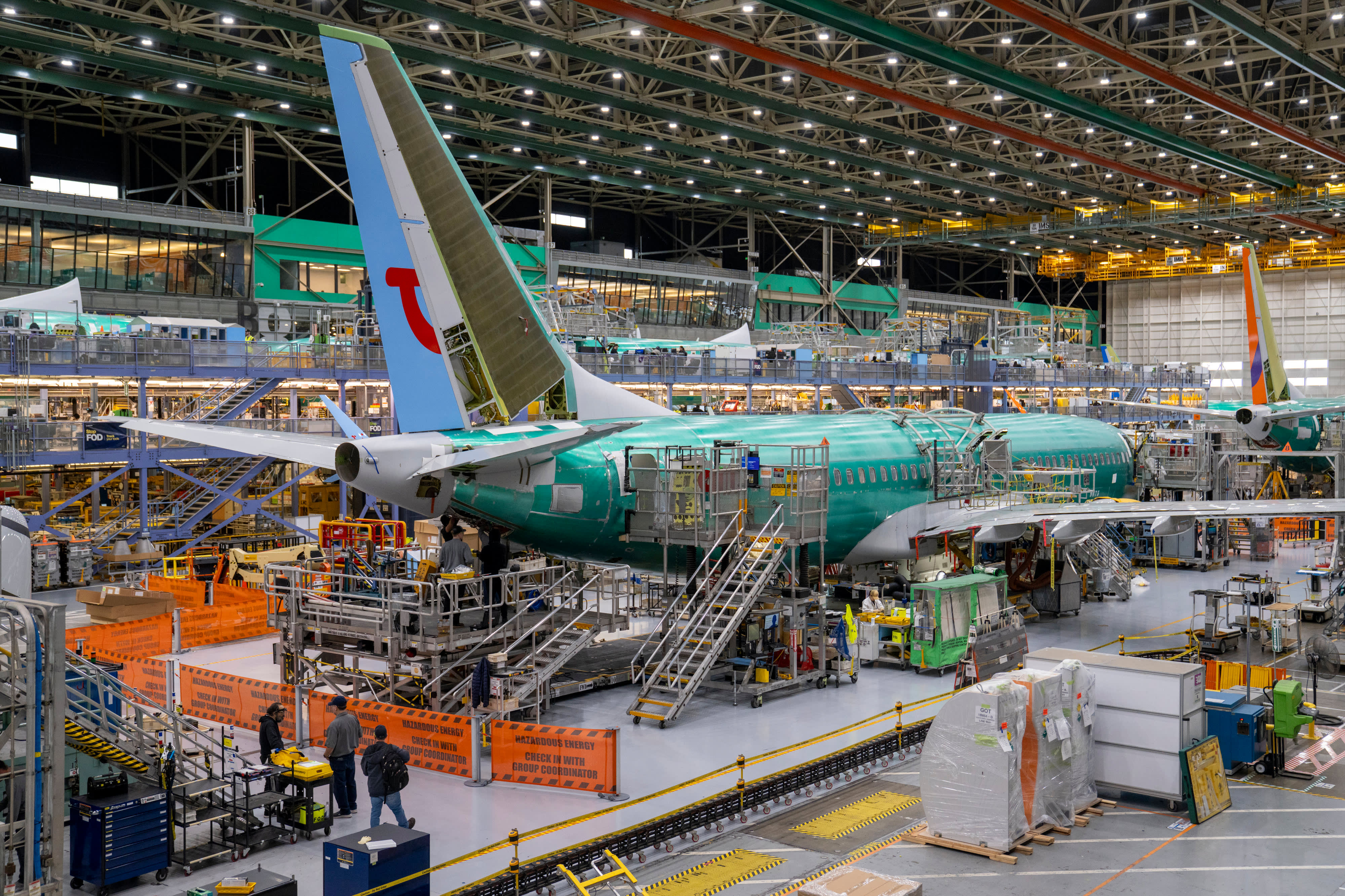
Boeing Engineers Approve New Contract: 10% Raises to Boost 737 Max 10 & 777X Production
Boeing engineers and technical workers have ratified a four-year contract with a 10% immediate raise, securing stability for the aerospace giant amid critical FAA reviews for the 737 Max 10 and 777X.
Middle East Diplomatic Surge: What Netanyahu's Visit to UAE Signals for Regional Stability
Analysis of recent high-level Middle East diplomacy involving Israel, Saudi Arabia, and UAE, and the strategic implications for regional security.
Latest Articles
- Walmart's Digital Shelf Labels Revolutionize Shopping Experience
- China's 77 Years: A Journey of Transformation and Global Impact
- David Ellison Appoints Ynon Kreiz as Co-CEO of Merged Paramount and Warner Bros. Discovery
- Dubai Airlines Suspends Israel Flights After Co-Pilot Attack Incident
- MGM Resorts Reconsiders Barry Diller's People Inc. Bid Amidst Casino Consolidation
- Stellantis 2026 Guidance: CEO Reaffirms Strategy Amid Stock Slump