Dubai Flight Hijack: Terror Probe, Political Fallout, and Aviation Security
An in-depth analysis of the Dubai to Tel Aviv flight incident, the investigation into the co-pilot's motives, and the geopolitical tensions surrounding the attack.
Source: thepaper.cn
A sudden, terrifying drop in altitude captured the world's attention on September 30, 2026, when a Dubai Airline flight traveling from the United Arab Emirates to Israel was forced to make an emergency landing. The incident, which involved a violent confrontation in the cockpit, has triggered a complex investigation into potential terrorism, raising urgent questions about aviation security protocols and regional geopolitics just weeks before a critical Israeli election.
Key Facts and Details
- The Incident: During the flight, the co-pilot, an Omani national, allegedly stabbed the captain with a knife. In response to the attack, the aircraft's altitude plummeted from 10,000 meters to 5,100 meters within a minute, causing damage to the tail fin.
- Passenger Intervention: A group of passengers, including a plumber named Yaniv Hayoun, rushed into the cockpit and subdued the attacker. Video footage shows the co-pilot kneeling on the ground, his hands bound by headset wires after being overpowered.
- Emergency Landing: Following the chaotic struggle, the aircraft was diverted and safely landed at Tabuk Airport in Saudi Arabia.
- Co-pilot's Statement: According to a video released by Netanyahu's office, the co-pilot reportedly shouted, "Kill me! Kill me!" during the altercation, suggesting a potential desire to die rather than be captured.
- Aviation Security Flaws: The investigation has revealed a critical breach in security. The Israeli Prime Minister stated that the co-pilot should not have been allowed to fly to Israel, citing regulations that ban pilots from countries with which Israel has no diplomatic relations. Additionally, questions remain regarding how a weapon entered the cockpit—whether via metal detector evasion or via a "crash axe" kept on board for emergency use.
Deep Dive Analysis
This incident serves as a stark reminder of the vulnerabilities within the global aviation system, particularly when political tensions are high. The fact that a co-pilot, who held a passport from a neutral nation (Oman), was able to initiate a lethal attack highlights the limitations of current screening protocols and the potential for radicalization within airline crews. The presence of a "crash axe" in the cockpit, while a standard safety tool for breaking out of a trapped cabin, becomes a weapon of mass destruction when turned inward by a compromised crew member.
Furthermore, the geopolitical ramifications are significant. The event occurs against a backdrop of fragile diplomatic relations and the approach of a highly charged Israeli election. Opposition leaders have seized upon the incident to question the government's security briefings and competence, while Prime Minister Netanyahu attempts to frame the event as a looming threat that the administration is actively managing. The involvement of Saudi Arabia in the emergency landing and subsequent transfer of the suspect adds another layer of complexity, as Riyadh and Tel Aviv are not formal diplomatic partners.
The investigation is now scrutinizing the co-pilot's ideological motivations and whether he acted alone or was part of a larger network. Claims from U.S. officials and President Trump suggesting potential Iranian involvement remain unverified but add a layer of strategic anxiety to the inquiry. Ultimately, this event forces a re-evaluation of cockpit security measures, particularly regarding the access protocols for flight crews and the screening of personnel from nations with strained diplomatic ties to Israel.
Frequently Asked Questions
Q: How did the passengers manage to enter the cockpit? A: The attack occurred while the aircraft was cruising. The Israeli passenger, Yaniv Hayoun, was able to enter the cockpit, likely because the door was not fully secured, and physically subdued the co-pilot. He was reportedly inspired by aviation documentaries he had watched.
Q: What is the status of the investigation? A: The United Arab Emirates has taken the lead in the investigation due to the aircraft's registration. Both Israel and Saudi Arabia are also involved, with Saudi Arabia overseeing the transfer of the suspect to the UAE. The probe is examining the source of the weapon and the existence of any external command or funding.
Q: What are the implications for future flights? A: This incident will likely lead to stricter cockpit access protocols and enhanced psychological screening for pilots, particularly those flying into high-risk regions. The distinction between a "crash axe" and a lethal weapon will also be scrutinized more closely.
Source: https://www.thepaper.cn/newsDetail_forward_34190722
Related posts
South Korea Abolishes Prosecution Office in Major Judicial Reform
South Korea's 78-year-old prosecution system is replaced by two new agencies amid criticism of political prosecutions and overreach.
Japan-US Military Exercise Deploys Advanced Missiles to Yonaguni Island
Japan and US to conduct large-scale joint military drills with new coastal missile systems deployed to strategic Yonaguni island for the first time.

Mattel Shares Surge After Takeover Interest From Authentic Brands Group
Shares of Mattel surged nearly 20% after reports of a potential $6 billion acquisition offer from Authentic Brands Group. Here is what you need to know about the toy giant's strategic pivot.

Nike Restructuring: Layoffs, Supply Chain Overhaul, and Q1 2027 Outlook
Nike announces major restructuring plan with layoffs starting 2027, expecting high-single-digit revenue decline in fiscal 2027 amid China slowdown.
Boeing Engineers Approve New Contract: 10% Raises to Boost 737 Max 10 & 777X Production
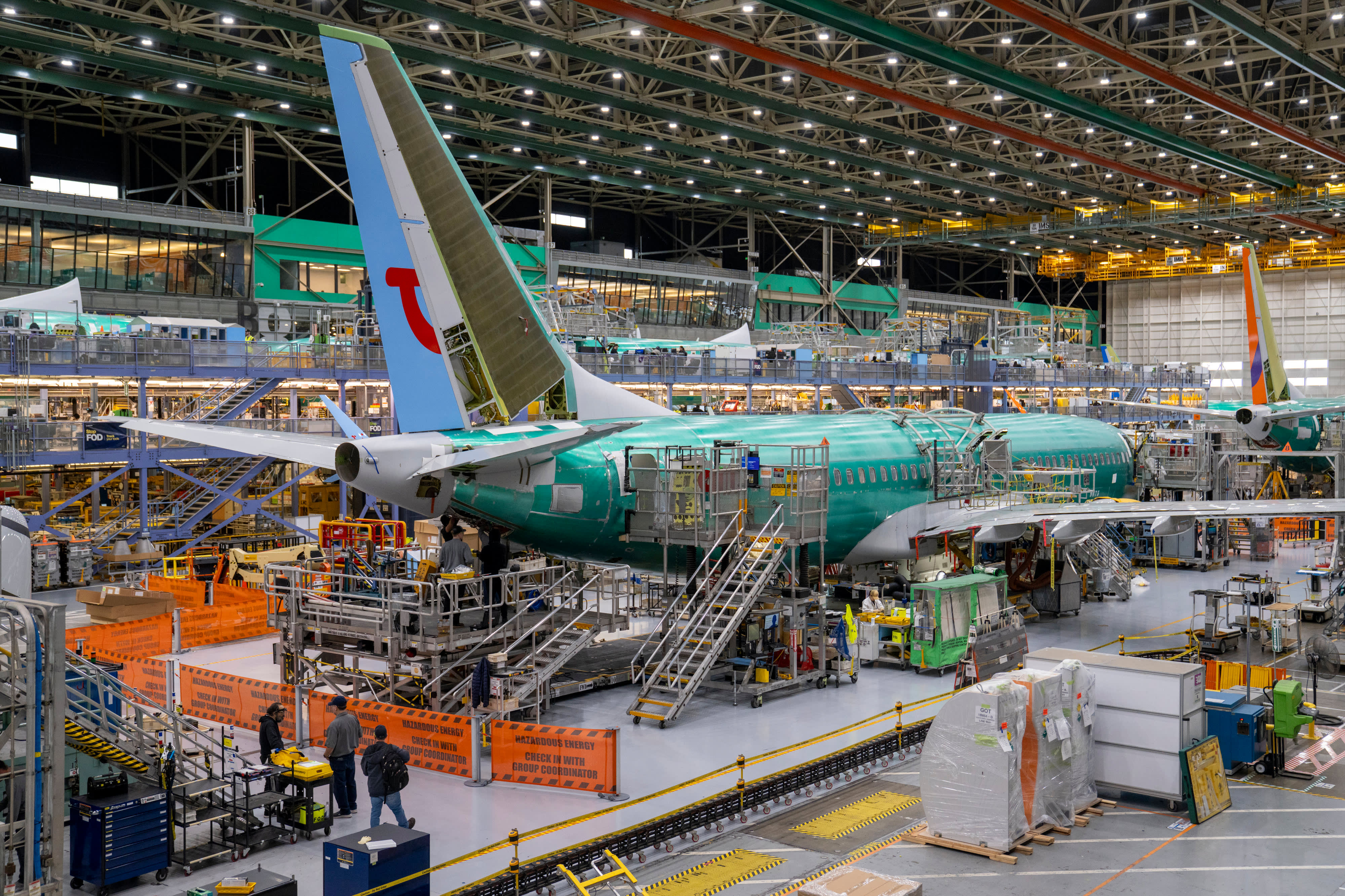
Boeing engineers and technical workers have ratified a four-year contract with a 10% immediate raise, securing stability for the aerospace giant amid critical FAA reviews for the 737 Max 10 and 777X.
Middle East Diplomatic Surge: What Netanyahu's Visit to UAE Signals for Regional Stability
Analysis of recent high-level Middle East diplomacy involving Israel, Saudi Arabia, and UAE, and the strategic implications for regional security.

Walmart's Digital Shelf Labels Revolutionize Shopping Experience
Walmart introduces innovative digital shelf labels with Shop to Light, Pick to Light, and Stock to Light features to enhance customer experience and streamline store operations.
China's 77 Years: A Journey of Transformation and Global Impact
Exploring China's remarkable development journey over 77 years, from economic reforms to technological innovation and global engagement.
Latest Articles
- David Ellison Appoints Ynon Kreiz as Co-CEO of Merged Paramount and Warner Bros. Discovery
- Dubai Airlines Suspends Israel Flights After Co-Pilot Attack Incident
- MGM Resorts Reconsiders Barry Diller's People Inc. Bid Amidst Casino Consolidation
- Stellantis 2026 Guidance: CEO Reaffirms Strategy Amid Stock Slump
- Potential Trump-Putin-Xi Trilateral Meeting at APEC Shenzhen
- Mattel Appoints Roger Lynch as New CEO, Charting New Course for Global Toy Giant