Dubai Airline Co-Pilot Admits Intent to Crash Plane in Israel
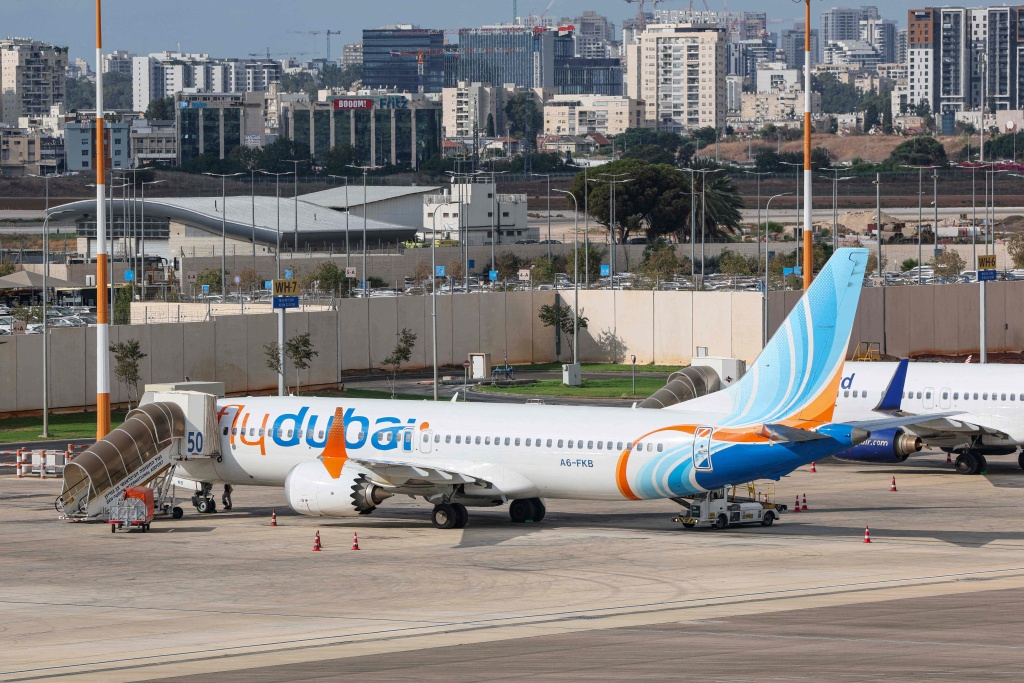
A shocking incident aboard a Dubai airline flight to Tel Aviv raises critical questions about aviation security screening and the detection of radicalized pilots.
Source: thepaper.cn
The recent attempt to crash a commercial aircraft targeting Israeli passengers has sent shockwaves through the global aviation industry. This event is not merely a security breach; it serves as a stark warning about the potential for radicalization within the cockpit. The incident highlights a terrifying vulnerability: the ability of an individual with malicious intent to bypass standard safety protocols and access the flight deck. As nations grapple with the aftermath, the focus has shifted from immediate security responses to a rigorous examination of the screening mechanisms designed to identify such concealed risks before they take flight.
Key Takeaways
- Admitted Intent: The co-pilot involved in the incident has admitted to the investigators that his specific goal was to crash the aircraft in Israel, turning a routine flight into a potential act of terrorism.
- Prior Red Flags: Reports indicate that the suspect was previously employed by Oman Air but was removed from a training program due to radical views before moving to Dubai Air.
- Security Loopholes: Despite standard background checks and health assessments, the pilot managed to bypass detection for his extremist ideology, raising questions about the depth of pre-employment screenings.
- Political Context: The incident occurred during a sensitive geopolitical moment, with Israeli officials citing it as a major terrorist plot and using it to bolster security narratives ahead of upcoming elections.
- Psychological Barriers: Experts suggest that current screening methods are insufficient at predicting future behavioral changes or radicalization, as pilots often hide mental health issues to avoid losing their licenses.
- Global Aviation Standards: The case underscores the need for international cooperation in sharing intelligence regarding pilot radicalization, as domestic screening processes may fail to catch individuals with a history of extremism abroad.
- Health Screening Limitations: While pilots undergo rigorous medical exams, the voluntary nature of health disclosures creates a blind spot for detecting underlying psychological instability or severe depression.
In-Depth Analysis
The Dubai Airline incident represents a paradigm shift in aviation security concerns, moving beyond physical threats to the psychological and ideological integrity of the flight crew. Historically, aviation security focused on preventing weapons or explosives from entering the cabin. However, the rise of lone-wolf terrorism and the ease of radicalization via social media have introduced a new, insidious threat vector: the pilot themselves. This event forces the industry to confront the uncomfortable reality that a pilot’s background and mental state can evolve dramatically after hiring.
From an industry perspective, the reliance on standard background checks appears to have failed in this instance. While the suspect had a history of dismissal from a previous airline due to radical views, he was still able to secure a position with a major carrier, Dubai Air. This suggests a gap in the global talent pool or a lack of information sharing between international aviation authorities. The fact that the pilot was allowed to fly sensitive routes connecting the UAE and Israel, despite his past, indicates a potential oversight in vetting procedures that prioritizes operational availability over ideological safety.
Furthermore, the psychological aspect of this incident is particularly alarming. The incident echoes the 2015 Germanwings crash, where a co-pilot deliberately crashed a plane due to untreated depression. However, in this case, the threat is not just mental health but active, calculated malice. The reluctance of pilots to disclose mental health issues due to the fear of losing their livelihood creates a culture of silence. As highlighted by the 2023 incident involving a pilot on a US flight, the system relies heavily on self-reporting, which is inherently flawed when an individual is actively planning a crime.
Looking ahead, the aviation industry must evolve its screening protocols. This includes more robust checks of social media activity and internet history, as well as more frequent psychological evaluations. Additionally, there is a pressing need for international databases that can flag pilots who have been dismissed from other airlines for ideological reasons. The geopolitical tension in the Middle East adds another layer of complexity, making it imperative that airlines remain vigilant against politically motivated attacks. The event serves as a grim reminder that in the high-stakes environment of air travel, the cockpit must be guarded not just by doors and locks, but by the mental stability and sound judgment of its occupants.
Frequently Asked Questions
How do airlines screen pilots for radicalization?
Currently, airlines conduct background checks that look at criminal records and employment history. They may also review social media profiles. However, these checks are generally retrospective and focus on past behavior rather than predicting future radicalization or identifying hidden ideological shifts.
Why do pilots often hide mental health issues?
The aviation industry has strict medical standards that can disqualify pilots from flying if they have a history of depression or are taking certain medications. Many pilots fear that disclosing a condition will lead to immediate suspension or loss of their career, leading them to conceal their struggles.
Is this the first time a pilot has attacked another crew member?
While rare, this is not the first time violence has occurred in a cockpit. However, the specific intent to use an aircraft as a weapon or to cause a mass casualty event based on political or religious motives represents a terrifying escalation in aviation security risks.
Source: https://www.thepaper.cn/newsDetail_forward_34194286
Related posts
India Border Shootings: Pakistan Accuses Indian Forces of Unprovoked Killing of Civilians
Pakistan claims Indian border guards killed two civilians in Punjab, violating agreements. The incident highlights rising tensions on the Line of Control.

AI Agents: The New Hottest Skill on Wall Street, Demand Up 1,721%
Wall Street is rapidly evolving beyond basic chatbots into a complex ecosystem of AI agents. Discover why agent orchestration is the hottest new skill and how it's reshaping finance careers.
Boeing 737 Max 10 Certification Clears Software Glitch, FAA Confirms
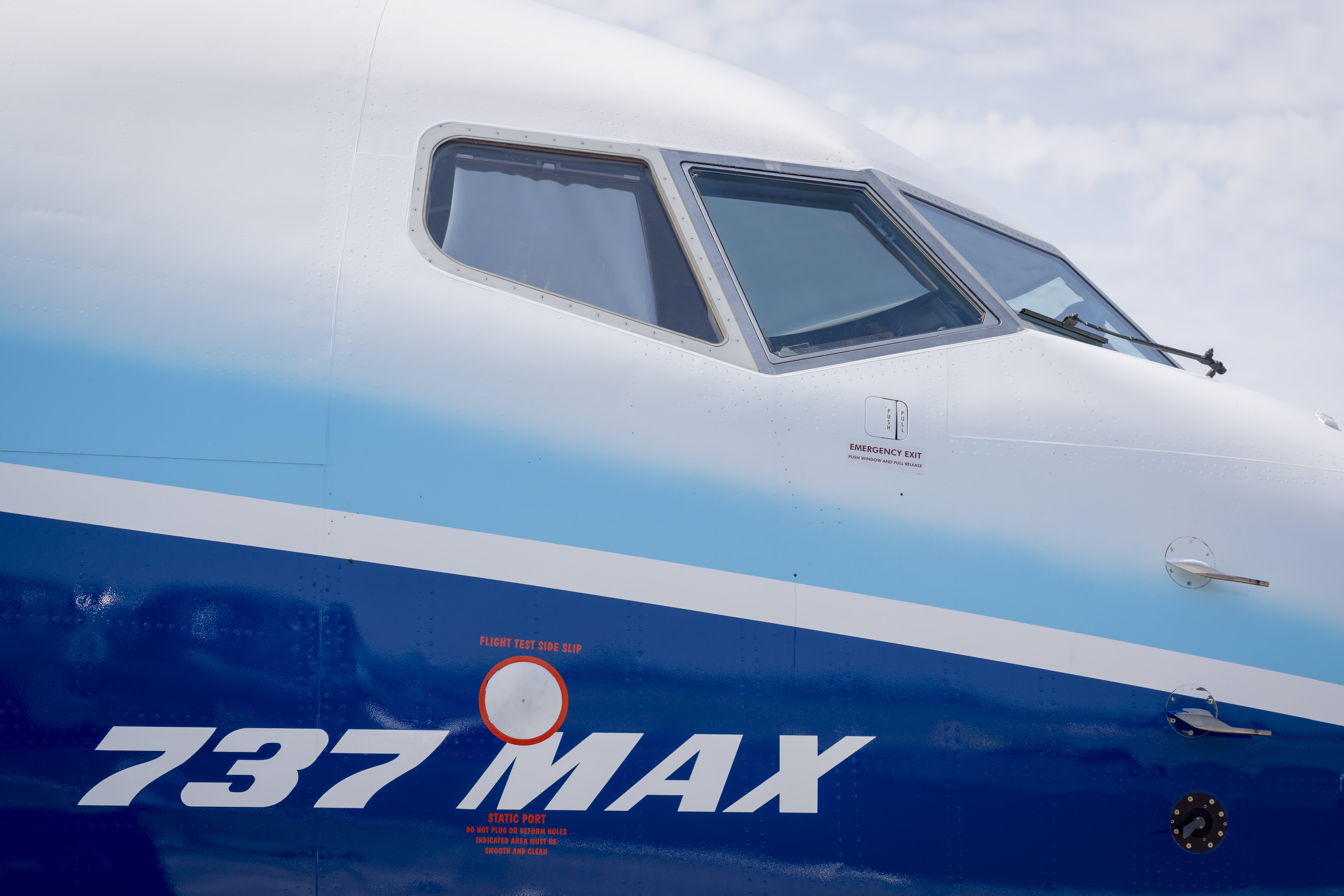
FAA confirms Boeing 737 Max 10 software glitch isn't a flight safety issue, paving the way for certification after years of crisis.
Japan-US Military Exercise Deploys Advanced Missiles to Yonaguni Island
Japan and US to conduct large-scale joint military drills with new coastal missile systems deployed to strategic Yonaguni island for the first time.
Dubai Flight Hijack: Terror Probe, Political Fallout, and Aviation Security
An in-depth analysis of the Dubai to Tel Aviv flight incident, the investigation into the co-pilot's motives, and the geopolitical tensions surrounding the attack.
South Korea Abolishes Prosecution Office in Major Judicial Reform
South Korea's 78-year-old prosecution system is replaced by two new agencies amid criticism of political prosecutions and overreach.
US Deploys Third Aircraft Carrier to Middle East Amid Rising Tensions
The United States is sending a third aircraft carrier strike group and nearly 10,000 additional troops to the Middle East, escalating military presence in the region amid growing tensions with Iran.

Mattel Shares Surge After Takeover Interest From Authentic Brands Group
Shares of Mattel surged nearly 20% after reports of a potential $6 billion acquisition offer from Authentic Brands Group. Here is what you need to know about the toy giant's strategic pivot.
Latest Articles
- Nike Restructuring: Layoffs, Supply Chain Overhaul, and Q1 2027 Outlook
- Boeing Engineers Approve New Contract: 10% Raises to Boost 737 Max 10 & 777X Production
- Middle East Diplomatic Surge: What Netanyahu's Visit to UAE Signals for Regional Stability
- Walmart's Digital Shelf Labels Revolutionize Shopping Experience
- China's 77 Years: A Journey of Transformation and Global Impact
- David Ellison Appoints Ynon Kreiz as Co-CEO of Merged Paramount and Warner Bros. Discovery