Inside the Cockpit: Dubai Airline Captain Recalls Life-or-Death Struggle
A Dubai Airline captain describes the terrifying moments a co-pilot attacked him from behind, leading to a desperate fight to save the flight.
Source: thepaper.cn
Imagine sitting in the cockpit, focused solely on the flight path ahead, when suddenly a heavy blow strikes the back of your head. This is not a scene from a movie, but the harrowing reality described by Captain Smitt Machichere, who survived a shocking attack aboard a Dubai Airline flight to Israel. The incident, which unfolded on September 30, 2026, has sent shockwaves through the aviation industry and reignited global debates about cockpit security protocols. The United Arab Emirates' Public Prosecution has formally labeled the attack an act of terrorism, marking a significant escalation in the scrutiny of aviation safety measures.
Key Details of the Incident
-
The Attack on the Captain: The assault began while Captain Smitt Machichere was visually monitoring the flight path, completely unaware of the threat approaching from behind. After a few minutes of flying, he was struck on the back of the head with significant force, initially mistaking the trauma for a severe aircraft malfunction.
-
Realization of Danger: The initial confusion quickly turned into a fight for survival. The captain realized that the physical blows were not caused by a mechanical failure, but by his co-pilot. The repeated strikes left him with blurred vision and physical disorientation, making it nearly impossible to see or react immediately.
-
Desperate Struggle: Realizing the immediate threat to the lives of everyone on board, the captain engaged in a desperate struggle. He managed to push through the pain and confusion to reach the cockpit door, fighting to open it against the attacker's resistance. He shouted for help, knowing that external intervention was the only way to regain control of the aircraft.
-
External Intervention: Miraculously, the crew members outside the cockpit were alerted to the crisis and rushed in. They successfully overpowered the attacker, securing the cockpit and ensuring the safety of the passengers and crew. This swift external response highlights the critical importance of reinforced cockpit doors and crew training in emergency scenarios.
-
Investigation and Legal Action: The United Arab Emirates Public Prosecution has taken charge of the investigation, officially classifying the incident as an act of terrorism. Authorities are working to determine the motives behind the co-pilot's actions and whether there were any prior indicators or external influences that led to the attack.
-
Communication with Leadership: Following the incident, Captain Machichere had a crucial conversation with Israeli Prime Minister Benjamin Netanyahu. This dialogue was not just a courtesy call but a strategic exchange regarding aviation security standards and international cooperation in combating threats in the skies.
Impact on Aviation Security: The event serves as a stark reminder of the vulnerabilities that still exist despite decades of improved security. It forces the aviation industry to re-evaluate the balance between passenger access and the sanctity of the cockpit, the final line of defense against skyjackings.
In-Depth Analysis
The attack on the Dubai Airline flight is a chilling case study in the evolving nature of aviation threats. For years, the industry has focused on physical barriers and access controls, yet this incident demonstrates that the human element remains the most unpredictable variable. The co-pilot's ability to bypass standard security protocols and physically incapacitate the captain highlights a terrifying gap in current defense mechanisms. This event forces a re-examination of the "two-person rule" and the psychological screening processes for flight crew members, suggesting that traditional vetting methods may be insufficient against deeply ingrained radicalization or personal crises.
Furthermore, the classification of the act as terrorism by the UAE authorities signals a broader geopolitical tension. The flight was en route to Israel, a destination currently under significant security scrutiny. This context suggests that the attack may have been politically motivated, intended to exploit the high-stakes environment of international travel between the Middle East and Israel. The incident underscores the reality that the cockpit is no longer just a technical space but a potential theater for geopolitical conflict, requiring a response that blends physical security with intelligence-led threat assessment.
Looking forward, the aviation industry must integrate advanced biometric security and AI-driven behavioral analysis into cockpit access systems. The captain's account of his vision blurring due to the impact raises questions about the physiological limits of human response in high-stress situations. Future security architectures must be designed to prevent a single individual from gaining total control of the flight deck, ensuring that even if one crew member is compromised, the system has redundant failsafes to prevent a catastrophe.
Frequently Asked Questions
Q: How does this incident compare to the 9/11 attacks?
A: While the 9/11 attacks involved hijackers using box cutters to overpower crew members, this incident is unique because it occurred within the flight deck itself. It highlights a new vulnerability where a trusted insider, the co-pilot, became the aggressor, bypassing the traditional external hijacking model.
Q: What are the immediate changes expected in cockpit security?
A: Airlines are expected to review and potentially tighten the "two-person rule," ensuring that no single crew member can access the cockpit alone. There may also be a push for more rigorous psychological evaluations and enhanced surveillance systems within the cockpit to detect aggression or distress in real-time.
Q: Was the pilot able to land the plane safely?
A: Yes, thanks to the quick intervention of the cabin crew who entered the cockpit and overpowered the attacker, the aircraft remained under control. The pilot, despite his injuries, was able to assist in the landing process, ensuring the safety of all passengers and crew on board.
Source: https://www.thepaper.cn/newsDetail_forward_34198485
Related posts

AI Film Festival: China's 'The Last Span' Wins Best Story Award
Discover how the first Astana AI Film Festival (AAIFF) highlighted the stunning potential and current limitations of generative AI in cinema, featuring a breakthrough win for a Chinese team.
Saudi Arabia Prepares 100,000-Yemeni Force Against Houthi Militias Amid Escalating Red Sea Conflict
Saudi Arabia mobilizes massive Yemeni ground forces for potential offensive against Houthi rebels, who vow continued retaliation amid escalating Red Sea tensions.

Skydance Appoints Ynon Kreiz as Co-CEO to Lead Media Mega-Merger
David Ellison brings in Mattel's former CEO to run the combined Paramount Skydance and Warner Bros. Discovery as the $110 billion merger closes.

How Advanced Vehicle Technology is Driving Up Repair Costs
Modern vehicles with sophisticated electronics and ADAS systems are forcing repair shops to invest heavily in new equipment, with costs being passed on to consumers.
India Border Shootings: Pakistan Accuses Indian Forces of Unprovoked Killing of Civilians
Pakistan claims Indian border guards killed two civilians in Punjab, violating agreements. The incident highlights rising tensions on the Line of Control.

Private Capital Reshaping Hollywood: New Money, New Stories
How private equity is challenging legacy studios, funding diverse independent films, and changing the future of entertainment.
Trump Signals Progress on Iran Strategy Amid Rising Middle East Tensions
President Trump confirms significant progress in next steps regarding Iran as US military deployments increase in the region.
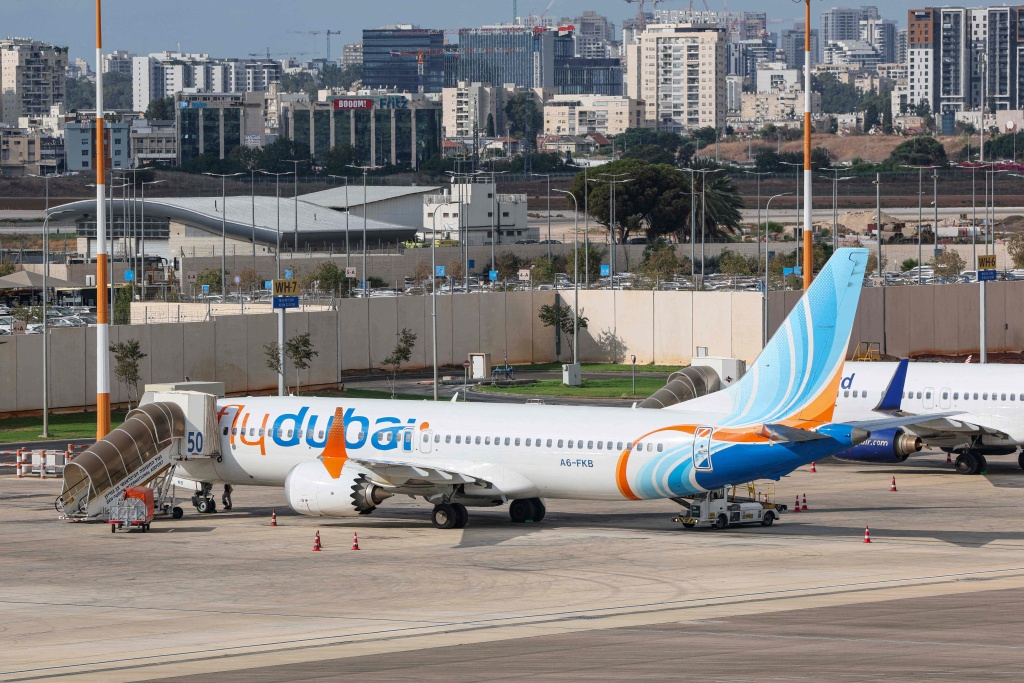
Dubai Airline Co-Pilot Admits Intent to Crash Plane in Israel
A shocking incident aboard a Dubai airline flight to Tel Aviv raises critical questions about aviation security screening and the detection of radicalized pilots.
Latest Articles
- AI Agents: The New Hottest Skill on Wall Street, Demand Up 1,721%
- Boeing 737 Max 10 Certification Clears Software Glitch, FAA Confirms
- Japan-US Military Exercise Deploys Advanced Missiles to Yonaguni Island
- Dubai Flight Hijack: Terror Probe, Political Fallout, and Aviation Security
- South Korea Abolishes Prosecution Office in Major Judicial Reform
- US Deploys Third Aircraft Carrier to Middle East Amid Rising Tensions