AI Film Festival: China's 'The Last Span' Wins Best Story Award
Discover how the first Astana AI Film Festival (AAIFF) highlighted the stunning potential and current limitations of generative AI in cinema, featuring a breakthrough win for a Chinese team.
Source: thepaper.cn
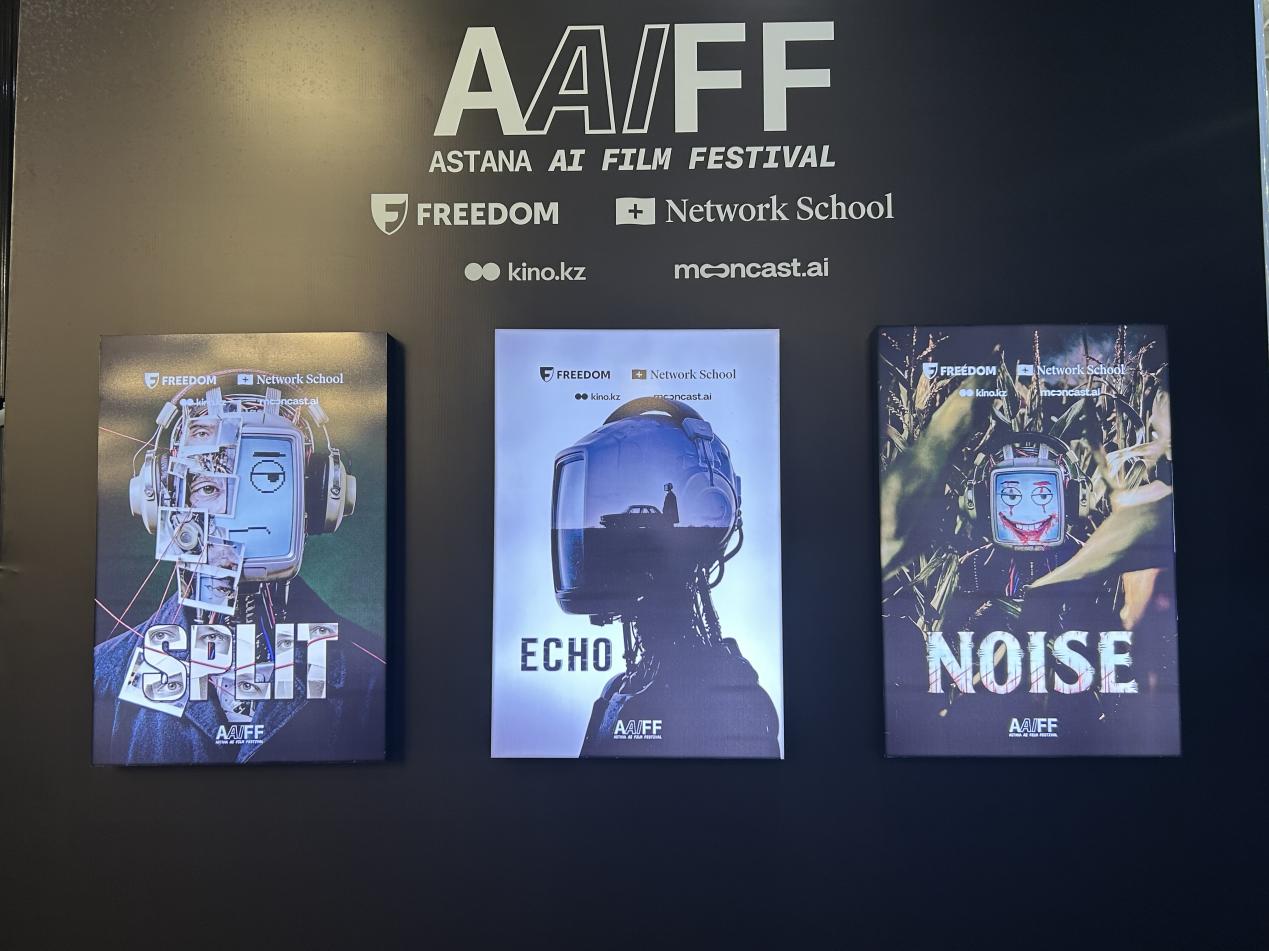
Imagine a world where a traffic light’s animated pedestrian suddenly comes to life, or where a father’s solitary monologue unfolds along the silent rails of a railway. These scenarios are no longer confined to science fiction but are becoming tangible realities on the silver screen, brought to life by the rapid evolution of generative artificial intelligence. The recent Astana AI Film Festival (AAIFF 2026) in Kazakhstan served as a significant litmus test for this new medium, revealing a landscape where technological prowess meets narrative ambition, and where the line between a video game cutscene and a cinematic masterpiece is increasingly blurred.
Key Highlights from AAIFF 2026
- Chinese Team Wins Best Story Award: The Chinese team from 2xLabs won the Best Story award for their film The Last Span, which tells the story of a bridge builder who awakens an ancient beast while trying to save a young girl.
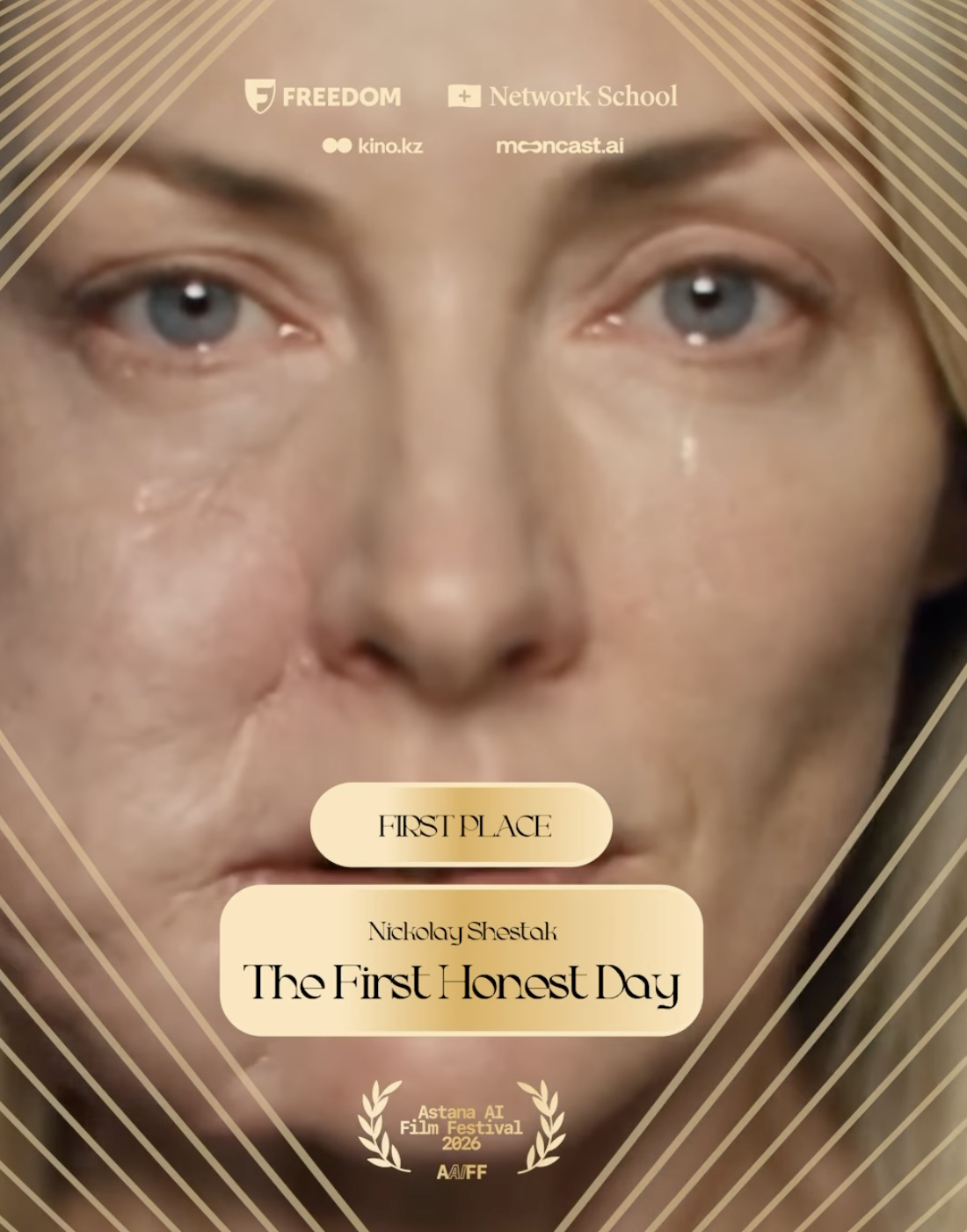
- Latvian Director Takes Top Prize: Nikolay Shestak won the Grand Prix with The First Honest Day, earning $450,000. The film explores how evil deeds deform faces and good deeds restore beauty.
- Global Scale and Diversity: The festival received 8,067 entries from 125 countries, with 25 finalists using over 80 different generative AI models.
- High-Profile Jury: The international jury included Audrey Azoulay, former Director-General of UNESCO, and Ma Ping, Dean of the China Film Artificial Intelligence Research Institute.
- Mixed Audience Reception: While some works like The First Honest Day received thunderous applause for their satire on societal lies, others were criticized for lacking narrative depth, feeling more like "fast food" narratives or video game cutscenes.
- Industry Debate on Authenticity: There is ongoing confusion among audiences and critics about distinguishing between "AI-generated entertainment content" and "true AI films," as the boundaries of this art form are still being explored.
- Economic Shifts in Production: The global film industry is facing a critical question: how much of the filmmaking process—from writing to visual effects—can be automated, and what does this mean for human creativity and employment?
Deep Dive Analysis
The inaugural Astana AI Film Festival was not merely a competition but a global barometer for the state of AI cinema. The winning entry, The First Honest Day, demonstrated that AI is increasingly capable of handling complex social satire and metaphor. By depicting a world where elites suddenly grow grotesque tumors while ordinary people remain unchanged, the film uses facial distortion as a powerful visual metaphor for hypocrisy and deceit. This level of thematic sophistication suggests that AI is moving beyond mere technical novelty to become a tool for serious artistic expression.
However, the festival also exposed the medium's significant growing pains. A common critique among critics and audiences was the prevalence of "flat" storytelling. Many of the showcased films relied heavily on close-ups and static compositions, creating a sense of detachment. This is largely due to the limitations of current generative models, which struggle with complex camera movements and environmental storytelling. When audiences are reminded that the characters on screen are algorithmic constructs rather than flesh-and-blood humans, the emotional connection—the essence of cinema—frequently falters. The industry is currently navigating a paradox where the visual fidelity is high, but the narrative soul remains elusive.
Frequently Asked Questions
Q: Can AI completely replace human directors and actors in the future?
A: While AI is rapidly automating tasks like visual effects and basic editing, it is unlikely to completely replace human directors. As noted by AAIFF co-founder Almas Zhali, the existence of directors like Christopher Nolan, who focus on hard-core narrative and human emotion, proves that traditional cinema has a resilient place in the market. AI will likely serve as a powerful co-pilot rather than a replacement.
Q: Why do many AI films feel like video game cutscenes?
A: This sensation often stems from the technical constraints of current generative AI models. They excel at creating detailed characters and environments but struggle with dynamic camera angles and long-form continuity. Consequently, directors often default to static, cinematic close-ups to ensure visual coherence, which can make the viewing experience feel more like an interactive medium than a traditional film.
Q: What is the economic impact of AI on the film industry?
A: The cost of production is being drastically reduced. For example, the film Hell Grind was made by a team of 15 people in 14 days for under $500,000, with a significant portion of that budget going to computational power. This democratization of filmmaking tools allows independent creators to produce high-quality content, but it also raises concerns about job displacement in the visual effects and post-production sectors.
Source: https://www.thepaper.cn/newsDetail_forward_34198273
Related posts

Saudi Arabia Prepares 100,000-Yemeni Force Against Houthi Militias Amid Escalating Red Sea Conflict
Saudi Arabia mobilizes massive Yemeni ground forces for potential offensive against Houthi rebels, who vow continued retaliation amid escalating Red Sea tensions.
Skydance Appoints Ynon Kreiz as Co-CEO to Lead Media Mega-Merger
David Ellison brings in Mattel's former CEO to run the combined Paramount Skydance and Warner Bros. Discovery as the $110 billion merger closes.

How Advanced Vehicle Technology is Driving Up Repair Costs
Modern vehicles with sophisticated electronics and ADAS systems are forcing repair shops to invest heavily in new equipment, with costs being passed on to consumers.
India Border Shootings: Pakistan Accuses Indian Forces of Unprovoked Killing of Civilians
Pakistan claims Indian border guards killed two civilians in Punjab, violating agreements. The incident highlights rising tensions on the Line of Control.
Private Capital Reshaping Hollywood: New Money, New Stories
How private equity is challenging legacy studios, funding diverse independent films, and changing the future of entertainment.
Trump Signals Progress on Iran Strategy Amid Rising Middle East Tensions
President Trump confirms significant progress in next steps regarding Iran as US military deployments increase in the region.
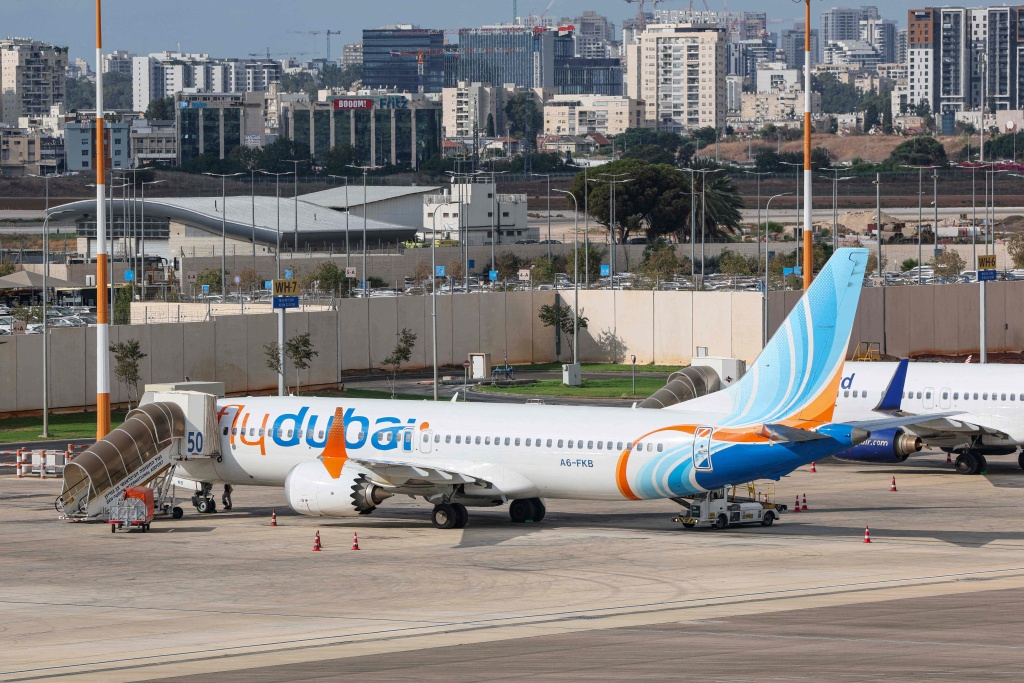
Dubai Airline Co-Pilot Admits Intent to Crash Plane in Israel
A shocking incident aboard a Dubai airline flight to Tel Aviv raises critical questions about aviation security screening and the detection of radicalized pilots.
AI Agents: The New Hottest Skill on Wall Street, Demand Up 1,721%
Wall Street is rapidly evolving beyond basic chatbots into a complex ecosystem of AI agents. Discover why agent orchestration is the hottest new skill and how it's reshaping finance careers.
Latest Articles
- Boeing 737 Max 10 Certification Clears Software Glitch, FAA Confirms
- Japan-US Military Exercise Deploys Advanced Missiles to Yonaguni Island
- Dubai Flight Hijack: Terror Probe, Political Fallout, and Aviation Security
- South Korea Abolishes Prosecution Office in Major Judicial Reform
- US Deploys Third Aircraft Carrier to Middle East Amid Rising Tensions
- Mattel Shares Surge After Takeover Interest From Authentic Brands Group