Chick-fil-A CEO Andrew Cathy: Why Family Ownership Trumps IPO for Fast-Growing Chains
Chick-fil-A's CEO Andrew Cathy explains why the chain remains privately held despite rapid expansion, focusing on long-term strategy and customer service over quarterly profits.
Source: CNBC
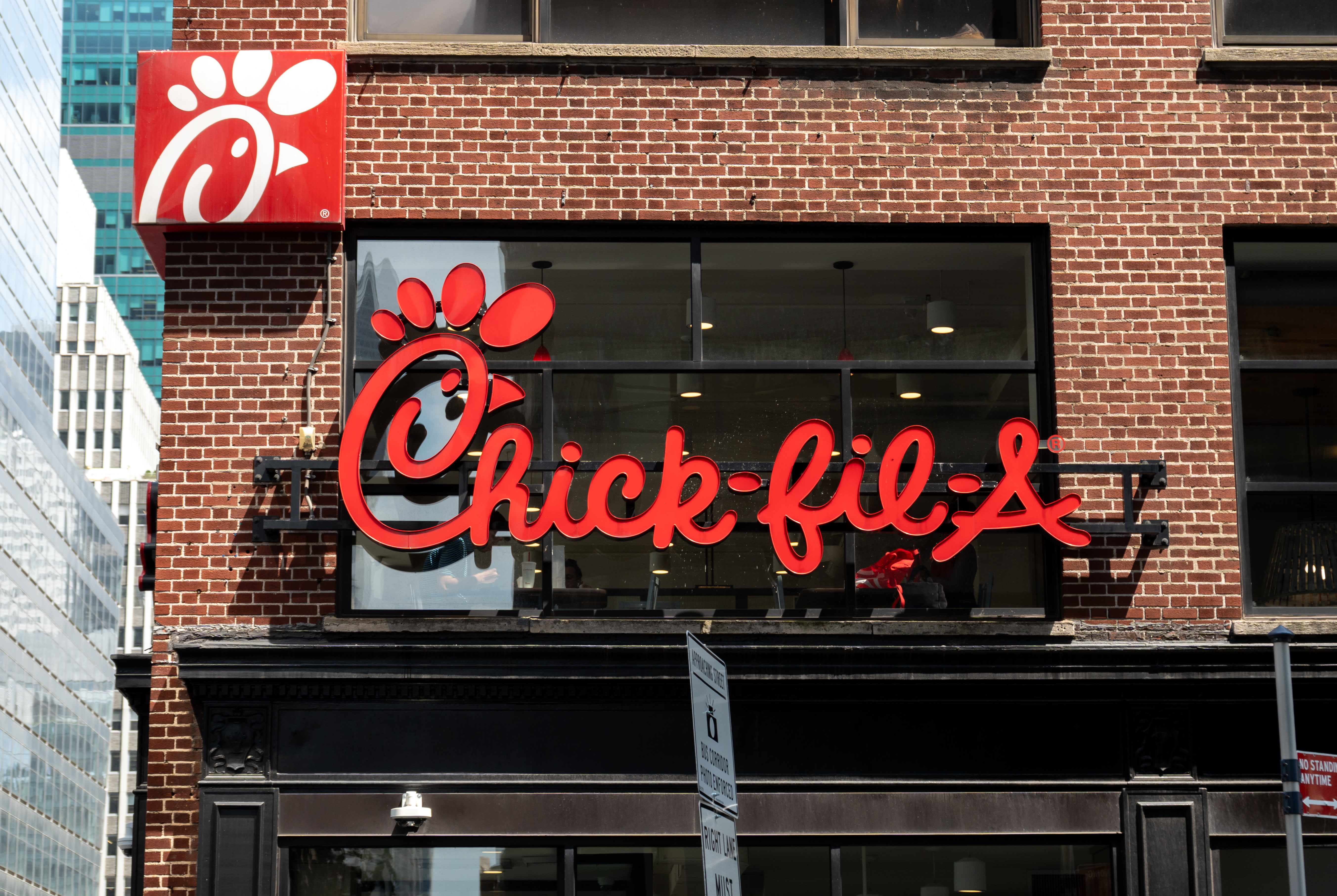
As Chick-fil-A expands its footprint from the Southeastern United States to international markets like Singapore and the UK, its CEO Andrew Cathy remains steadfast in keeping the iconic chicken chain a family-owned business. In an era where restaurant giants like McDonald's and Starbucks dominate public markets, Cathy’s decision to reject an initial public offering (IPO) highlights a deliberate strategy to prioritize stability and purpose over immediate shareholder returns. This approach is particularly resonant as consumers grow more selective, valuing brands that deliver consistent quality and genuine hospitality.
Key Growth Strategies and Core Values
- Family-First Governance: Cathy, who succeeded his father Dan as CEO in 2021, emphasizes that the business is designed to serve the Cathy family’s mission for the long haul. By staying private, the company can plan for decades rather than quarters, ensuring decisions align with its foundational values.
- Resilience in Challenging Markets: While inflation and shifting consumer habits have hurt competitors like McDonald’s, Popeyes, and KFC, Chick-fil-A has maintained strong performance. Its revenue hit $10.3 billion in 2025, with system sales of $23.92 billion across 3,000 locations, solidifying its position as the third-largest U.S. restaurant by sales.
- Calculated Expansion: The chain opened 179 new restaurants in 2025 and is aggressively pursuing international growth through ventures in Canada, Singapore, and the UK. Despite this expansion, Cathy insists on a conservative, "calculated" approach to avoid overextending the brand.
- Human-Centric Technology: Unlike rivals embracing AI voice ordering, Chick-fil-A prioritizes human interaction. Cathy believes the "hospitality" that drives customer loyalty cannot be replicated by machines, a stance that has kept the chain at the top of customer satisfaction rankings for over a decade.
- Menu Discipline: Chick-fil-A’s menu remains intentionally simple, with new items introduced only after rigorous testing. Seasonal offerings like the Honey Pepper Pimento Chicken Sandwich are evaluated carefully, with permanent additions reserved for true "home runs."
- Innovation Beyond Chicken: Through its venture arm, Red Wagon Ventures, Chick-fil-A is exploring new concepts like Daybright, a beverage-focused restaurant, and Acrew Home Professionals, a home repair service. These ventures leverage the company’s core strengths while diversifying its offerings.
Deep Dive: The Power of Private Ownership in a Public World
Chick-fil-A’s refusal to go public is a bold counter-narrative to the current trend of restaurant IPOs, which have struggled this year. Shares of Jersey Mike’s have plummeted nearly 28% since its July debut, while Inspire Brands (the owner of Dunkin’) has delayed its IPO plans. Cathy’s ability to plan for a "quarter century" rather than a quarter gives Chick-fil-A a competitive edge, allowing it to weather economic storms without the pressure of quarterly earnings reports.
This stability is not just financial; it’s cultural. The Cathy family’s commitment to staying closed on Sundays and fostering a culture of service has created a brand that resonates deeply with consumers. As competitors scramble to match Chick-fil-A’s customer satisfaction scores, the chain’s focus on hospitality—whether through handwritten coffee cup notes or personalized interactions—remains its greatest differentiator.
Looking ahead, Chick-fil-A faces both opportunities and challenges. The "chicken sandwich wars" with Popeyes and potential new entrants like McDonald’s will test its dominance, but Cathy views competition as a catalyst for improvement. Meanwhile, its international expansion and venture investments signal a willingness to evolve while staying true to its roots. As the chain approaches its 100th anniversary, its blend of tradition and innovation offers a blueprint for family-owned businesses navigating a rapidly changing industry.
Frequently Asked Questions
Q: Why won’t Chick-fil-A go public?
A: CEO Andrew Cathy has stated that staying private allows the company to plan for the long term without the pressure of quarterly earnings. This focus on sustainability and core values ensures the brand remains true to its mission.
Q: How does Chick-fil-A maintain customer satisfaction in a competitive market?
A: By prioritizing human interaction over technology and maintaining a disciplined menu strategy. The chain’s emphasis on hospitality and consistent quality has kept it at the top of customer satisfaction rankings for over a decade.
Q: What new ventures is Chick-fil-A exploring?
A: Through Red Wagon Ventures, the company is testing concepts like Daybright (a beverage-focused restaurant) and Acrew Home Professionals (a home repair service). These initiatives reflect a commitment to innovation while leveraging its core strengths.
Source: https://www.cnbc.com/2026/10/04/chick-fil-a-ceo-andrew-cathy-family-ownership-growth.html
Related posts

Saudi Arabia Prepares 100,000-Yemeni Force Against Houthi Militias Amid Escalating Red Sea Conflict
Saudi Arabia mobilizes massive Yemeni ground forces for potential offensive against Houthi rebels, who vow continued retaliation amid escalating Red Sea tensions.

AI Film Festival: China's 'The Last Span' Wins Best Story Award
Discover how the first Astana AI Film Festival (AAIFF) highlighted the stunning potential and current limitations of generative AI in cinema, featuring a breakthrough win for a Chinese team.
Inside the Cockpit: Dubai Airline Captain Recalls Life-or-Death Struggle
A Dubai Airline captain describes the terrifying moments a co-pilot attacked him from behind, leading to a desperate fight to save the flight.
Skydance Appoints Ynon Kreiz as Co-CEO to Lead Media Mega-Merger
David Ellison brings in Mattel's former CEO to run the combined Paramount Skydance and Warner Bros. Discovery as the $110 billion merger closes.

How Advanced Vehicle Technology is Driving Up Repair Costs
Modern vehicles with sophisticated electronics and ADAS systems are forcing repair shops to invest heavily in new equipment, with costs being passed on to consumers.
India Border Shootings: Pakistan Accuses Indian Forces of Unprovoked Killing of Civilians
Pakistan claims Indian border guards killed two civilians in Punjab, violating agreements. The incident highlights rising tensions on the Line of Control.

Private Capital Reshaping Hollywood: New Money, New Stories
How private equity is challenging legacy studios, funding diverse independent films, and changing the future of entertainment.
Trump Signals Progress on Iran Strategy Amid Rising Middle East Tensions
President Trump confirms significant progress in next steps regarding Iran as US military deployments increase in the region.
Latest Articles
- Dubai Airline Co-Pilot Admits Intent to Crash Plane in Israel
- AI Agents: The New Hottest Skill on Wall Street, Demand Up 1,721%
- Boeing 737 Max 10 Certification Clears Software Glitch, FAA Confirms
- Japan-US Military Exercise Deploys Advanced Missiles to Yonaguni Island
- Dubai Flight Hijack: Terror Probe, Political Fallout, and Aviation Security
- South Korea Abolishes Prosecution Office in Major Judicial Reform