GM Reverses Course, Announces Hybrid Vehicle Strategy Amid Shifting Market Demands
General Motors is reversing its all-electric strategy to introduce hybrid models as consumer preferences shift amid rising gas prices and slowing EV adoption.
Source: CNBC
In a significant strategic pivot, General Motors is embracing hybrid technology after years of focusing exclusively on electric vehicles. This shift comes as hybrid sales surge in the United States, driven by persistent high gas prices and growing consumer hesitation toward fully electric cars. The Detroit automaker's acknowledgment that it needs to meet customers where they are represents a remarkable change in direction for a company that had previously dismissed hybrids as a transitional technology with limited long-term potential.
Key Developments
- Strategic Reversal: GM's vice president of propulsion engineering, Mike Anderson, confirmed that hybrid vehicles are "part of the plan" for the company's U.S. lineup, marking a dramatic shift from the automaker's previous "all-in" EV strategy.
- Market Response: The decision follows a 23% year-over-year increase in hybrid vehicle sales during Q2 2026, which now represent 16.3% of U.S. auto sales—significantly outpacing EVs at just 5.8% of the market.
- Product Pipeline: Industry analysts expect GM to begin offering plug-in hybrid electric vehicles (PHEVs) with approximately 70 miles of electric range by late 2027 to early 2028, potentially across models from the Equinox to the Silverado.
- Competitive Landscape: While GM has largely been absent from the hybrid market this decade, competitors like Ford Motor and Stellantis have successfully capitalized on this growing segment through strategic partnerships with suppliers.
- Technology Diversity: Despite the hybrid announcement, GM maintains that its "long-term vision is an all-electric future," framing the current strategy as a necessary step in a "journey that involves technology diversity."
In-depth Analysis
GM's hybrid strategy reversal reflects broader industry dynamics and changing consumer preferences. The automaker's previous commitment to an all-electric future appears to have been overly optimistic given current market realities. With EV adoption plateauing and infrastructure challenges persisting, hybrids offer a more practical solution for many consumers who aren't ready to fully commit to electric mobility.
The timing of this announcement is particularly noteworthy, coming as the Trump administration has rolled back or eliminated stricter federal tailpipe emissions standards that had previously pressured automakers to accelerate electrification. This regulatory shift has created a more favorable environment for traditional hybrids and PHEVs.
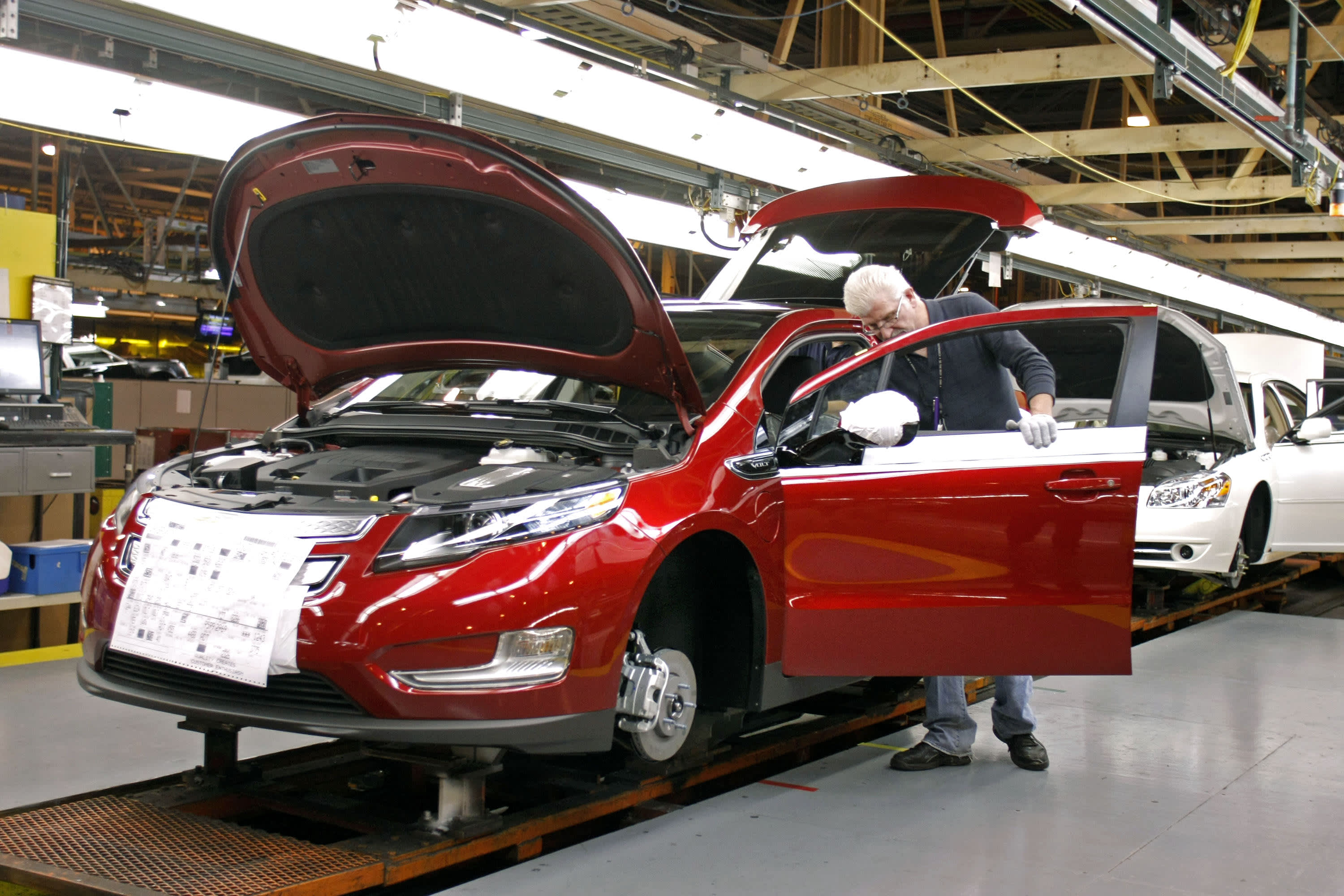
GM's cautious approach to hybrid development—despite competitors' faster market entry—suggests the company is determined to avoid past mistakes. The discontinuation of the Chevrolet Volt plug-in hybrid in 2019 appears to have taught the company valuable lessons about consumer technology preferences and the importance of timing.
From a business perspective, GM's hybrid strategy represents a pragmatic balancing act between long-term electrification goals and immediate market demands. The company's stated approach of using "a mix of internal and external technologies" based on cost and product segment indicates a more flexible, customer-centric strategy than its previous rigid all-electric stance.
Looking ahead, GM's success in the hybrid market will depend on several factors, including pricing competitiveness, technology reliability, and the ability to differentiate its offerings from established hybrid leaders like Toyota. The company's strong brand recognition and dealer network could provide significant advantages in this new market segment.
Frequently Asked Questions
Why is GM now pursuing hybrid vehicles after focusing exclusively on EVs? GM is responding to shifting consumer preferences and market realities. With hybrid sales growing significantly and EV adoption slowing, the company recognizes the need to offer more options that meet current customer demands rather than waiting for the market to adapt to their all-electric vision.
How will GM's hybrid strategy affect its long-term electrification goals? GM maintains that hybrids represent an interim solution rather than a departure from its all-electric future. The company views this as a necessary step in a "journey that involves technology diversity," suggesting that hybrids will coexist with EVs in their product lineup for the foreseeable future.
Source: https://www.cnbc.com/2026/10/05/gm-hybrid-vehicles.html
Related posts
Spanish Prime Minister Calls Early Parliamentary Elections Amid Political Turmoil
Spain's Prime Minister Pedro Sánchez announces snap parliamentary elections for November 29 following defeat of key housing legislation in parliament.
Philippine Military Aircraft Intrusion: China's South Sea Defense Response
China's Southern Theater Command successfully intercepted a Philippine C-208 aircraft violating Huangyan Dao airspace, reaffirming sovereignty and regional stability.

Australia Investigates Dubai Airline Co-Pilot's Ties to Country Amid Terrorism Concerns
Australian authorities probe connections of Dubai Airlines co-pilot who attacked captain during flight, with reports linking him to Melbourne education and extremist websites.

Cornell Fraternity Rape Case: Elite Privilege vs. Justice
The Cornell fraternity rape case exposes deep flaws in Title IX and legal justice. Explore the systemic issues of Greek life and elite politics.

Pro-Trump Influencer Faces Defamation Lawsuit Over False ICE Protester Claims
Social media personality Benny Johnson is being sued for defamation after falsely labeling ICE protesters as 'left-wing terrorists' who assaulted federal officers.

Why Brands Like E.l.f., Wendy's, and Gap Are Creating Original Music
Major brands are shifting from traditional ads to original music and entertainment to connect with consumers. Discover how E.l.f., Wendy's, and Gap are using music to drive engagement.
Chick-fil-A CEO Andrew Cathy: Staying Family-Owned While Expanding Globally
Chick-fil-A's CEO Andrew Cathy explains why the fast-food giant is staying private, focusing on hospitality, and expanding internationally without sacrificing its core family values.

Saudi Arabia Prepares 100,000-Yemeni Force Against Houthi Militias Amid Escalating Red Sea Conflict
Saudi Arabia mobilizes massive Yemeni ground forces for potential offensive against Houthi rebels, who vow continued retaliation amid escalating Red Sea tensions.
Latest Articles
- AI Film Festival: China's 'The Last Span' Wins Best Story Award
- Inside the Cockpit: Dubai Airline Captain Recalls Life-or-Death Struggle
- Skydance Appoints Ynon Kreiz as Co-CEO to Lead Media Mega-Merger
- How Advanced Vehicle Technology is Driving Up Repair Costs
- India Border Shootings: Pakistan Accuses Indian Forces of Unprovoked Killing of Civilians
- Private Capital Reshaping Hollywood: New Money, New Stories