Paramount Skydance Merger: A Historic Media Consolidation
The $110 billion merger of Paramount and Warner Bros. Discovery creates a global entertainment giant. Explore the timeline, challenges, and future of Skydance.
Source: CNBC
The entertainment landscape was fundamentally altered on Tuesday with the official closing of the merger between Paramount and Warner Bros. Discovery. This monumental deal, valued at an estimated $110 billion, unites two of Hollywood's most storied studios under the new banner of Skydance. For over a year, the company led by David Ellison navigated a treacherous path of regulatory hurdles, antitrust lawsuits, and a high-stakes bidding war to secure its position as one of the largest media conglomerates in history. The completion of this acquisition not only consolidates power within the industry but also signals a new era of content creation and distribution strategy for the combined entity.
Key Takeaways
- A $110 Billion Merger: The union of Paramount and Warner Bros. Discovery creates a massive new media conglomerate valued at approximately $110 billion on an enterprise basis.
- Regulatory Hurdles: The deal faced significant challenges, including antitrust lawsuits from state attorneys general and a temporary restraining order, before finally receiving full regulatory approval.
- Strategic Shifts: The new leadership, including Mattel CEO Ynon Kreiz as co-CEO, has announced major changes, including the integration of CBS and CNN under new editorial leadership.
- Brand Identity: The combined company will be known as Skydance, a move designed to allow the iconic Paramount and Warner Bros. brands to remain distinct entities.
- Content Strategy: The merger agreement includes specific stipulations on the number of theatrical films the company will release annually to address antitrust concerns.

In-Depth Analysis
The successful merger of Paramount and Warner Bros. Discovery represents a pivotal moment in the ongoing consolidation of the global media industry. For years, media companies have struggled with the dual pressures of declining linear viewership and the high costs of streaming infrastructure. By combining forces, the new Skydance aims to achieve economies of scale that neither company could have realized independently. The strategy appears to be a direct response to the competitive landscape dominated by tech giants like Netflix and Amazon, which have been aggressively acquiring content and intellectual property.
A critical aspect of this deal is the role of David Ellison. As the son of Oracle co-founder Larry Ellison and the driving force behind Skydance, his vision has been to "define the next era of entertainment." This ambition is evident in the series of high-profile investments made shortly after the merger, including the acquisition of UFC rights and a Call of Duty film. However, the path to this point was far from smooth. The deal was initially upended when Netflix stepped in with a competing offer for WBD's film and streaming assets, forcing Paramount to launch a hostile bid to secure the entire company.
The regulatory scrutiny the merger faced highlights the growing tension between content consolidation and consumer choice. The lawsuit filed by a group of state attorneys general, led by California's Rob Bonta, raised legitimate concerns about the potential for higher prices and reduced content diversity. The subsequent settlement, which included commitments on film release schedules, suggests a willingness by the new leadership to navigate these challenges pragmatically. Furthermore, the European Union's approval, contingent on concessions regarding film distribution, indicates that while the road to global approval is complex, it is not insurmountable.
Looking ahead, the integration of two massive corporate cultures will be the new challenge for the leadership team. The appointment of Ynon Kreiz, known for his turnaround expertise at Mattel, alongside Ellison, provides a blend of Hollywood experience and operational efficiency. The integration of CBS and CNN under new editorial heads, Bari Weiss and Mark Thompson, also signals a clear intent to modernize the news divisions. Ultimately, the success of Skydance will depend on its ability to leverage the combined library of content and global distribution networks to compete effectively in an increasingly fragmented media market.
Frequently Asked Questions
Q: Why did Warner Bros. Discovery agree to sell to Paramount Skydance?
A: After a failed attempt by Netflix to acquire WBD's streaming and film assets, the board faced pressure to maximize shareholder value. Paramount's all-cash offer of $31 per share, which included a "ticking fee" to incentivize shareholders and a commitment to pay a breakup fee to Netflix, ultimately proved more attractive than the remaining options.
Q: What happens to the Paramount and Warner Bros. brands?
A: The combined company will be named Skydance. However, the new leadership has committed to allowing the Paramount and Warner Bros. brands to remain distinct and operate independently under the new corporate umbrella.
Q: How did the merger overcome antitrust concerns?
A: The merger faced a temporary restraining order and a lawsuit from state attorneys general. The settlement included specific stipulations on the number of theatrical films the combined company will release each year, ensuring a commitment to a diverse slate of content to mitigate concerns about reduced competition.
Source: https://www.cnbc.com/2026/10/06/paramount-wbd-deal-timeline.html
Related posts
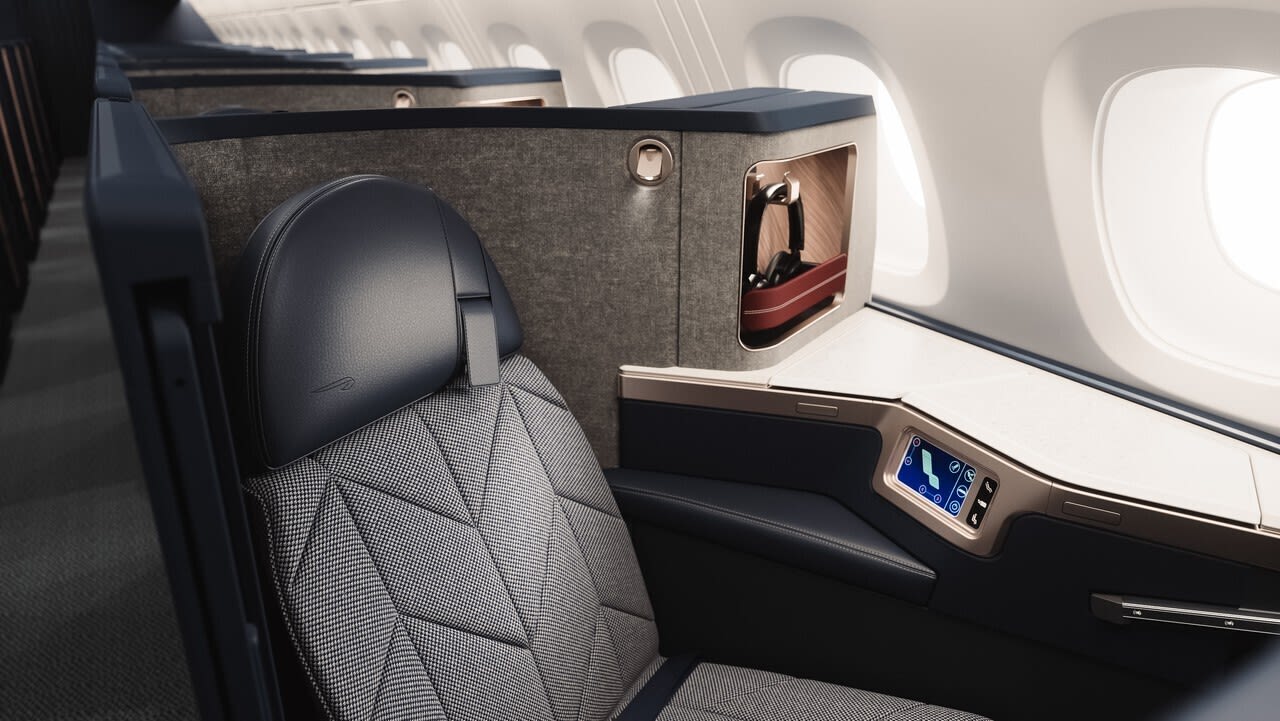
British Airways Expands Business Class to 106 Seats on A380: The Future of Luxury Travel
British Airways is transforming its A380 fleet with a record 106-seat business class cabin. Explore how airlines are betting big on high-spending travelers and the industry's shift towards premium luxury.

Cheapest & Most Expensive US Flights in November 2026
Thanksgiving airfare surges over 30% due to jet fuel costs. Discover the best budget routes like Atlanta to the Midwest and the priciest trips from Alaska to the East Coast.

Key States Hold Clues to 2026 Midterm Election Outcomes
As the 2026 midterm elections approach, six battleground states offer critical insights into voter priorities and potential shifts in political power.
World Bank Raises Economic Growth Forecast for East Asia and Pacific Region
The World Bank has upgraded its economic growth forecast for East Asia and Pacific, highlighting the region's resilience and potential in the face of global challenges.

Controversial Live Animal Feeding at Chinese Zoo Sparks Ethical Debate
A zoo in Fujian province is under fire for offering visitors the chance to pay $9 to watch live chickens being torn apart by tigers and lions, with children among the spectators.

US Bombers Withdraw from UK Base Amid Specific Threats, Trump Reveals
President Trump confirms B-1 bombers left RAF Fairford due to 'specific threats', with Iran allegedly involved in suspected activities against the base.

AstraZeneca's $2 Billion Bet on Summit Drug: The Future of Cancer Combinations
AstraZeneca CEO Pascal Soriot reveals how Summit's ivonescimab could revolutionize oncology by combining immune checkpoint inhibitors with ADC therapies. Discover the details of this historic $2 billion investment.

Lucid Motor's Q3 2026: Production Cuts Signal Shift in EV Demand Strategy
Lucid Motor cuts production by 24% in Q3 2026, delivering 3,806 EVs amid lower demand and a strategic operational reset led by CEO Silvio Napoli.
Latest Articles
- Philippine Military Aircraft Intrusion: China's South Sea Defense Response
- Spanish Prime Minister Calls Early Parliamentary Elections Amid Political Turmoil
- GM Reverses Course, Announces Hybrid Vehicle Strategy Amid Shifting Market Demands
- Australia Investigates Dubai Airline Co-Pilot's Ties to Country Amid Terrorism Concerns
- Cornell Fraternity Rape Case: Elite Privilege vs. Justice
- Pro-Trump Influencer Faces Defamation Lawsuit Over False ICE Protester Claims