AstraZeneca's $2 Billion Bet on Summit Drug: The Future of Cancer Combinations
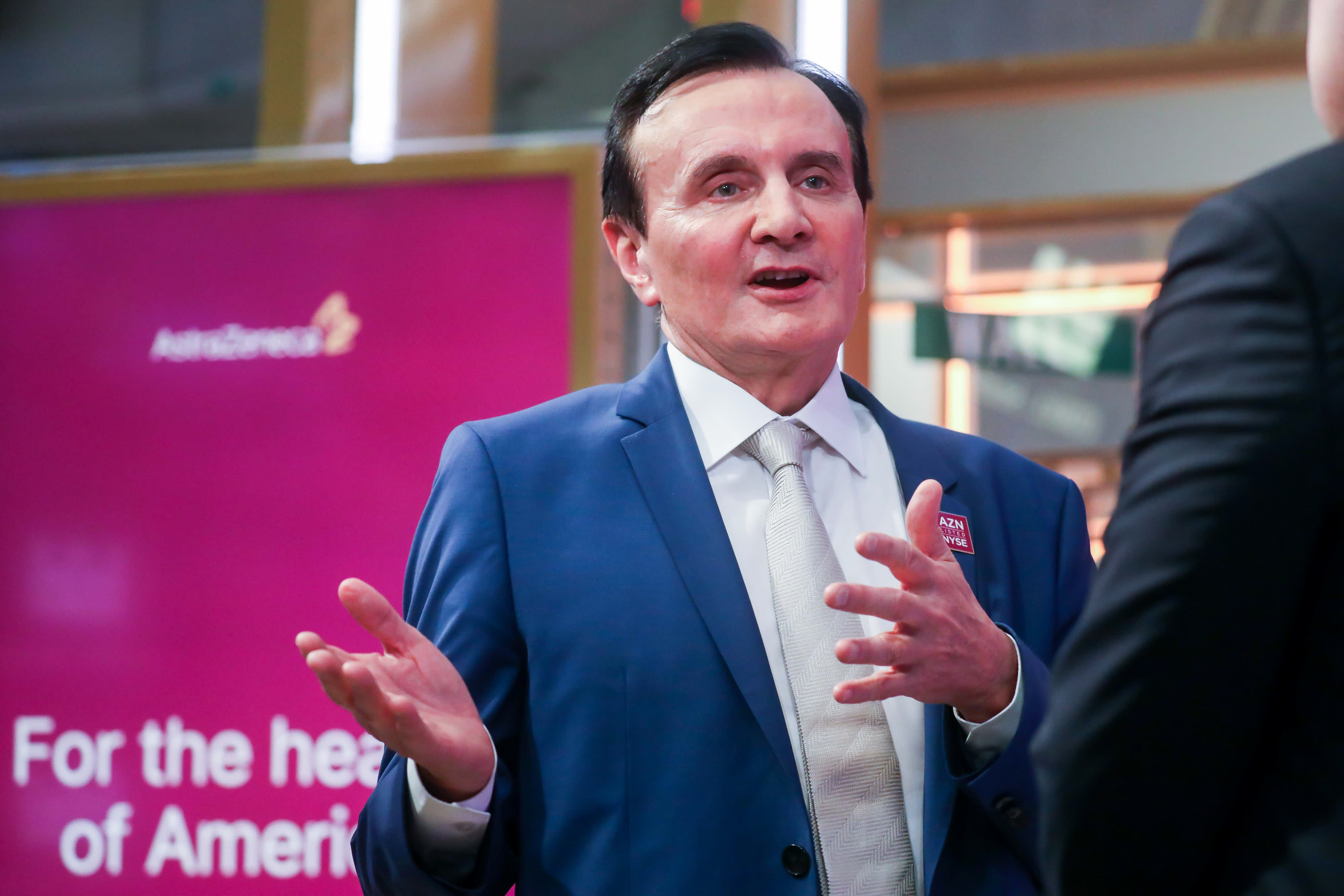
AstraZeneca CEO Pascal Soriot reveals how Summit's ivonescimab could revolutionize oncology by combining immune checkpoint inhibitors with ADC therapies. Discover the details of this historic $2 billion investment.
Source: CNBC
The landscape of oncology is undergoing a seismic shift, driven by a new wave of biotechnology investments that promise to redefine how we treat cancer. At the center of this revolution is AstraZeneca, which has committed a staggering $2 billion to a strategic collaboration with Summit Therapeutics. This partnership, announced just a week prior, signals a profound shift in the pharmaceutical industry's approach to drug development. The core of this deal is ivonescimab, a first-in-class bispecific antibody that is poised to become the linchpin of next-generation cancer therapies.
Key Insights into the Summit Collaboration
- Pivotal Investment in Innovation: AstraZeneca’s $2 billion equity investment in Summit Therapeutics underscores a massive commitment to the future of cancer care, securing a roughly 12% stake in the biotech company while preserving its full commercial rights.
- Dual-Pathway Mechanism: Ivonescimab represents a groundbreaking dual-attack strategy, simultaneously blocking PD-1 (an immune checkpoint) and VEGF (a blood vessel growth signal) to cut off tumor nutrition and unleash the immune system.
- Clinical Superiority: Global clinical trials have demonstrated that ivonescimab outperforms Merck’s flagship immunotherapy, Keytruda, in treating advanced non-small cell lung cancer, setting a new benchmark for efficacy.
- Synergy with ADCs: The drug’s unique mechanism allows it to complement AstraZeneca’s portfolio of antibody-drug conjugates (ADCs), potentially unlocking new treatments for tumor types that have historically been difficult to target.
- The Rise of Combination Therapies: The investment highlights a strategic pivot toward combination therapies, moving beyond single-target drugs to multi-faceted approaches that attack cancer on several fronts at once.
Deep Dive into the Next Generation of Oncology
The rationale behind AstraZeneca's aggressive move lies in the distinct clinical profile of ivonescimab. Unlike the first-generation wave of immunotherapies that primarily targeted PD-1, ivonescimab introduces a dual blockade. By inhibiting both the PD-1 pathway and VEGF, it addresses two critical aspects of the tumor microenvironment: the immune suppression that allows cancer to hide and the angiogenesis (new blood vessel formation) that tumors rely on to grow and metastasize. This dual action creates a hostile environment for cancer cells, effectively cutting off their supply lines while empowering the patient's own immune system to destroy them.
This capability is particularly exciting for AstraZeneca, as it offers a synergistic path to combine ivonescimab with its existing antibody-drug conjugates (ADCs). ADCs are highly targeted therapies that deliver chemotherapy directly to cancer cells. The CEO, Pascal Soriot, noted that ivonescimab can enhance the efficacy of ADCs, potentially improving outcomes for patients with tumor types that have limited response to current first-generation PD-1 agents. This strategic fit suggests that the $2 billion investment is not just a financial bet, but a calculated move to integrate a superior therapeutic mechanism into AstraZeneca's broader oncology portfolio.
Furthermore, the collaboration comes at a time when the industry is witnessing a gold rush for bispecific antibodies. With Summit retaining full commercial rights to ivonescimab, the pressure is on to deliver on its clinical promise. The global interest generated by the head-to-head trials against Keytruda has already validated the market potential of this class of drugs, validating AstraZeneca's high-stakes gamble.
The Future of Drug Discovery at Kendall Square
The announcement also coincided with the opening of AstraZeneca’s new $1 billion research and development facility in Kendall Square, Cambridge. This 570,000-square-foot hub is designed to accelerate the development of next-generation treatments across obesity, breast cancer, COPD, and rare diseases. The facility represents a convergence of cutting-edge technology and biological insight. Soriot emphasized that the center will utilize robotics, continuous automation, and agentic AI to streamline the drug discovery process. By integrating AI to invent new medicines faster and robotics to simplify preclinical development, AstraZeneca aims to reduce research costs and accelerate the delivery of life-saving therapies to patients. This investment reflects a broader industry trend where data and technology are becoming as crucial as biological discovery in the fight against disease.
Frequently Asked Questions
Q: How does ivonescimab differ from traditional PD-1 inhibitors like Keytruda?
A: Unlike traditional inhibitors that only target the PD-1 pathway to release immune brakes, ivonescimab is a bispecific antibody that also blocks VEGF. This dual mechanism simultaneously attacks the tumor's blood supply and boosts the immune response, offering a more comprehensive attack on cancer cells.
Q: What does the $2 billion investment mean for Summit Therapeutics?
A: The investment secures AstraZeneca a roughly 12% equity stake in Summit. Crucially, it is not an acquisition or licensing deal; Summit retains full commercial rights to ivonescimab, allowing them to pursue partnerships globally while AstraZeneca focuses on its specific therapeutic areas.
Q: How will this collaboration impact future cancer treatments?
A: This partnership is expected to drive the development of combination therapies that integrate immune checkpoint inhibitors with targeted treatments like ADCs. This approach could lead to more effective treatments for patients with advanced cancers, particularly those who have not responded well to current standard-of-care options.
Source: https://www.cnbc.com/2026/10/05/astrazeneca-ceo-says-summit-drug-could-drive-future-cancer-combos.html
Related posts

Controversial Live Animal Feeding at Chinese Zoo Sparks Ethical Debate
A zoo in Fujian province is under fire for offering visitors the chance to pay $9 to watch live chickens being torn apart by tigers and lions, with children among the spectators.

Lucid Motor's Q3 2026: Production Cuts Signal Shift in EV Demand Strategy
Lucid Motor cuts production by 24% in Q3 2026, delivering 3,806 EVs amid lower demand and a strategic operational reset led by CEO Silvio Napoli.
Philippine Military Aircraft Intrusion: China's South Sea Defense Response
China's Southern Theater Command successfully intercepted a Philippine C-208 aircraft violating Huangyan Dao airspace, reaffirming sovereignty and regional stability.
Spanish Prime Minister Calls Early Parliamentary Elections Amid Political Turmoil
Spain's Prime Minister Pedro Sánchez announces snap parliamentary elections for November 29 following defeat of key housing legislation in parliament.

GM Reverses Course, Announces Hybrid Vehicle Strategy Amid Shifting Market Demands
General Motors is reversing its all-electric strategy to introduce hybrid models as consumer preferences shift amid rising gas prices and slowing EV adoption.

Australia Investigates Dubai Airline Co-Pilot's Ties to Country Amid Terrorism Concerns
Australian authorities probe connections of Dubai Airlines co-pilot who attacked captain during flight, with reports linking him to Melbourne education and extremist websites.

Cornell Fraternity Rape Case: Elite Privilege vs. Justice
The Cornell fraternity rape case exposes deep flaws in Title IX and legal justice. Explore the systemic issues of Greek life and elite politics.

Pro-Trump Influencer Faces Defamation Lawsuit Over False ICE Protester Claims
Social media personality Benny Johnson is being sued for defamation after falsely labeling ICE protesters as 'left-wing terrorists' who assaulted federal officers.
Latest Articles
- Why Brands Like E.l.f., Wendy's, and Gap Are Creating Original Music
- Chick-fil-A CEO Andrew Cathy: Staying Family-Owned While Expanding Globally
- Saudi Arabia Prepares 100,000-Yemeni Force Against Houthi Militias Amid Escalating Red Sea Conflict
- AI Film Festival: China's 'The Last Span' Wins Best Story Award
- Inside the Cockpit: Dubai Airline Captain Recalls Life-or-Death Struggle
- Skydance Appoints Ynon Kreiz as Co-CEO to Lead Media Mega-Merger