Controversial Live Animal Feeding at Chinese Zoo Sparks Ethical Debate
A zoo in Fujian province is under fire for offering visitors the chance to pay $9 to watch live chickens being torn apart by tigers and lions, with children among the spectators.
Source: thepaper.cn
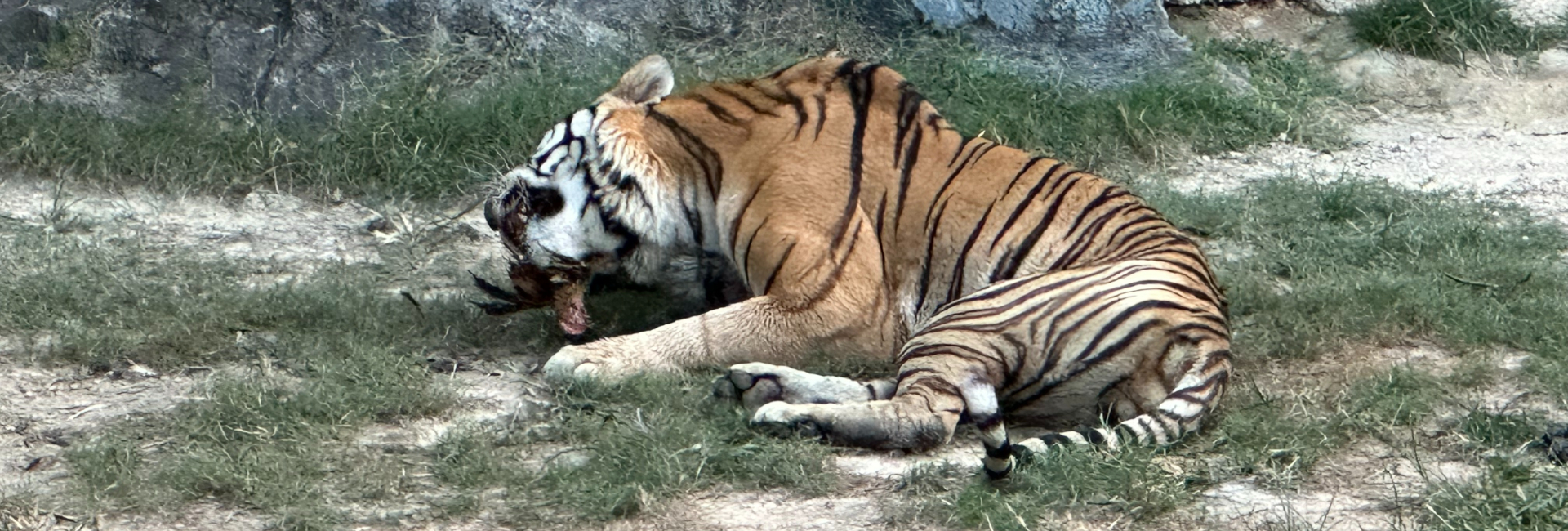
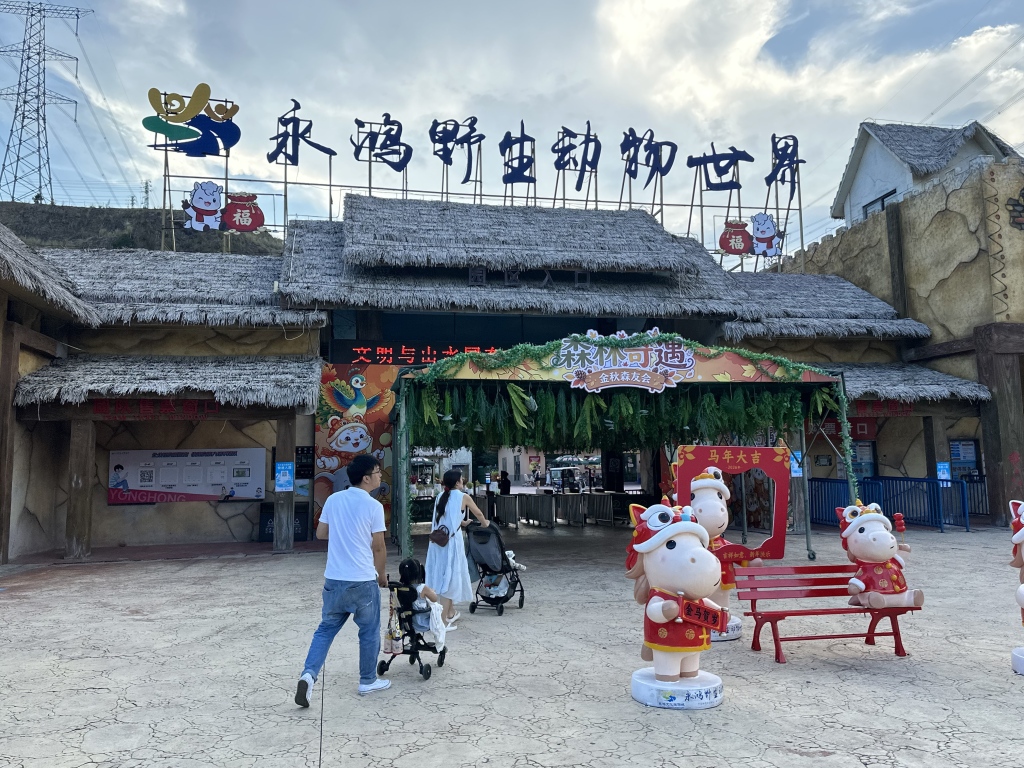
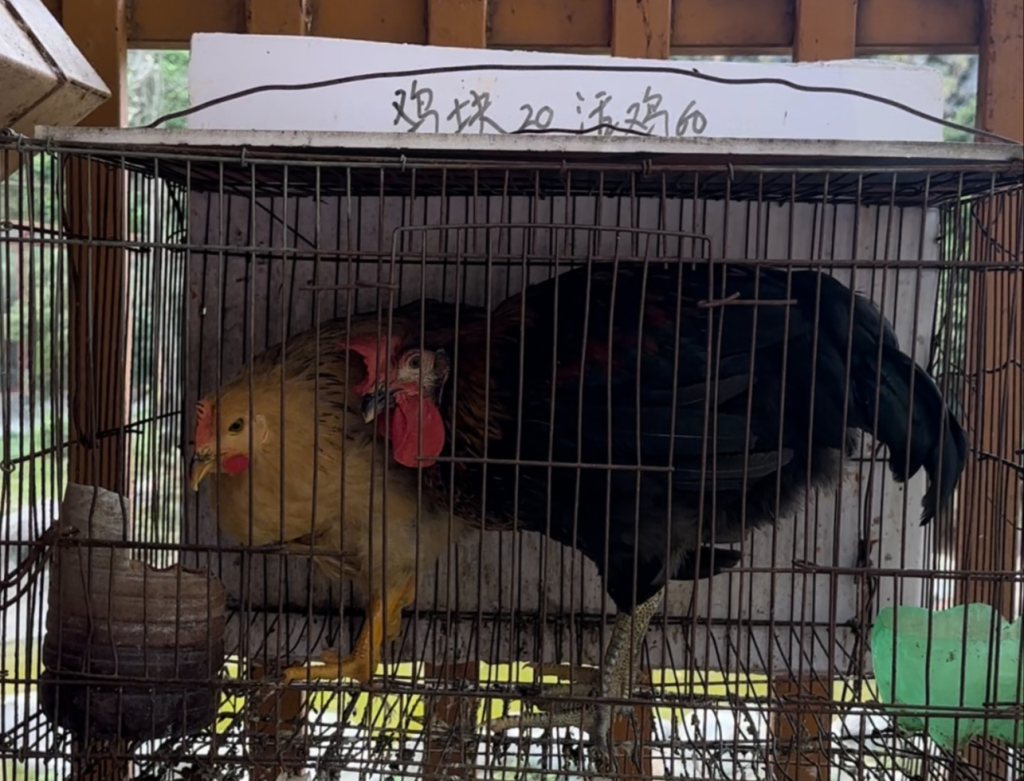
The practice of live animal feeding at a wildlife park in China has ignited a fierce debate about animal welfare and the protection of minors. During the recent National Day holiday, visitors at Fujian Yonghong Wildlife World were offered the opportunity to purchase live chickens for 60 yuan each to be fed to tigers, lions, and wolves in a disturbing spectacle that has drawn widespread criticism.
Key Points
- The zoo offers three different methods for live feeding: directly throwing chickens into enclosures, hanging chickens from trees for big cats to climb and retrieve, and using ropes to repeatedly pull chickens away from predators as they lunge, prolonging the animals' suffering.
- According to staff, the tiger enclosure alone processes 15-20 live chickens daily, with lions consuming 7-8 chickens per day, requiring the zoo to purchase additional chickens from external sources.
- The graphic nature of the feedings, featuring live chickens being torn apart by predators, is witnessed by numerous children and families, with some parents expressing discomfort and leaving the viewing areas.
- Despite concerns about animal welfare and the psychological impact on children, zoo staff defended the practice as "stimulating" and "fun," claiming the chickens were "disinfected" and "healthy."
- Legal experts point out that the zoo's practices violate multiple industry standards and regulations, including the Zoo Management Standards which explicitly prohibit feeding live animals within visitors' sight.
- The controversy highlights a regulatory gap in China's animal protection laws, as while there are guidelines against such practices, they are often not strictly enforced, particularly at private wildlife parks.
In-Depth Analysis
The live feeding practices at Yonghong Wildlife World represent a troubling intersection of commercial exploitation and animal welfare concerns. While the zoo claims its mission is "protecting animals and the environment," its activities directly contradict this principle by turning animal suffering into entertainment. This case is particularly concerning given the presence of large numbers of children, who are being exposed to graphic violence against animals at a formative age.
The practice raises serious questions about the regulation of private wildlife attractions in China. Unlike most major public zoos that strictly prohibit live feeding, some private and smaller wildlife parks appear to be exploiting regulatory loopholes to offer such "experiences" as revenue-generating attractions. This creates an uneven playing field where ethical standards vary dramatically between institutions.
From a global perspective, this controversy reflects broader tensions in wildlife tourism between entertainment and education. Modern zoological institutions worldwide have increasingly moved away from such practices, recognizing that they neither properly serve animal welfare nor provide meaningful educational value. The Chinese government's own guidelines from 2007 explicitly stated that such activities "produce adverse effects on young people" by suggesting animals exist solely for human amusement.
Looking ahead, this incident may prompt stronger regulatory action and public scrutiny of private wildlife attractions. There is growing momentum in China for comprehensive animal protection legislation, and cases like this often serve as catalysts for policy change. The zoo's defense that the practice stimulates the animals' "wild nature" is particularly weak, as animal behavior experts suggest that modern zoos can implement scientifically designed enrichment activities that don't involve prolonged suffering.
Frequently Asked Questions
Is live animal feeding legal in Chinese zoos? While there are industry standards and guidelines that prohibit feeding live animals within visitors' sight, these are not always strictly enforced, particularly at private wildlife parks. Legal experts note that such practices violate the spirit of wildlife protection laws and regulations.
What impact does this have on children witnessing these events? Child development experts warn that exposing children to graphic violence against animals can normalize cruelty and distort their understanding of animal welfare. The law explicitly requires that services provided to minors consider their developmental stage and avoid harming their physical and mental health.
What alternatives exist for zoos to generate revenue while maintaining ethical standards? Modern zoos can offer various educational programs, behind-the-scenes tours, animal adoption programs, and digital experiences that engage visitors without causing animal suffering. Scientifically designed enrichment activities can stimulate animals' natural behaviors without prolonged stress or visible suffering.

Source: https://www.thepaper.cn/newsDetail_forward_34202304
Related posts

AstraZeneca's $2 Billion Bet on Summit Drug: The Future of Cancer Combinations
AstraZeneca CEO Pascal Soriot reveals how Summit's ivonescimab could revolutionize oncology by combining immune checkpoint inhibitors with ADC therapies. Discover the details of this historic $2 billion investment.

Lucid Motor's Q3 2026: Production Cuts Signal Shift in EV Demand Strategy
Lucid Motor cuts production by 24% in Q3 2026, delivering 3,806 EVs amid lower demand and a strategic operational reset led by CEO Silvio Napoli.
Philippine Military Aircraft Intrusion: China's South Sea Defense Response
China's Southern Theater Command successfully intercepted a Philippine C-208 aircraft violating Huangyan Dao airspace, reaffirming sovereignty and regional stability.
Spanish Prime Minister Calls Early Parliamentary Elections Amid Political Turmoil
Spain's Prime Minister Pedro Sánchez announces snap parliamentary elections for November 29 following defeat of key housing legislation in parliament.

GM Reverses Course, Announces Hybrid Vehicle Strategy Amid Shifting Market Demands
General Motors is reversing its all-electric strategy to introduce hybrid models as consumer preferences shift amid rising gas prices and slowing EV adoption.

Australia Investigates Dubai Airline Co-Pilot's Ties to Country Amid Terrorism Concerns
Australian authorities probe connections of Dubai Airlines co-pilot who attacked captain during flight, with reports linking him to Melbourne education and extremist websites.

Cornell Fraternity Rape Case: Elite Privilege vs. Justice
The Cornell fraternity rape case exposes deep flaws in Title IX and legal justice. Explore the systemic issues of Greek life and elite politics.

Pro-Trump Influencer Faces Defamation Lawsuit Over False ICE Protester Claims
Social media personality Benny Johnson is being sued for defamation after falsely labeling ICE protesters as 'left-wing terrorists' who assaulted federal officers.
Latest Articles
- Why Brands Like E.l.f., Wendy's, and Gap Are Creating Original Music
- Chick-fil-A CEO Andrew Cathy: Staying Family-Owned While Expanding Globally
- Saudi Arabia Prepares 100,000-Yemeni Force Against Houthi Militias Amid Escalating Red Sea Conflict
- AI Film Festival: China's 'The Last Span' Wins Best Story Award
- Inside the Cockpit: Dubai Airline Captain Recalls Life-or-Death Struggle
- Skydance Appoints Ynon Kreiz as Co-CEO to Lead Media Mega-Merger