British Airways Expands Business Class to 106 Seats on A380: The Future of Luxury Travel
British Airways is transforming its A380 fleet with a record 106-seat business class cabin. Explore how airlines are betting big on high-spending travelers and the industry's shift towards premium luxury.
Source: CNBC
The aviation industry is undergoing a dramatic transformation, with airlines aggressively reconfiguring their fleets to cater to an elite segment of travelers. British Airways has announced a groundbreaking overhaul of its Airbus A380 fleet, introducing what is being touted as the "world's largest" business class cabin. This move, which involves removing dozens of coach-class seats, is a clear signal that carriers are prioritizing high-spending passengers over mass-market travel. The changes are part of a broader strategy to modernize the fleet and enhance the ground experience, including significant upgrades to its London Heathrow lounges. This shift reflects a broader trend where airlines are willing to sacrifice capacity for profitability, betting that the demand for ultra-luxury travel will continue to grow.
Key Highlights
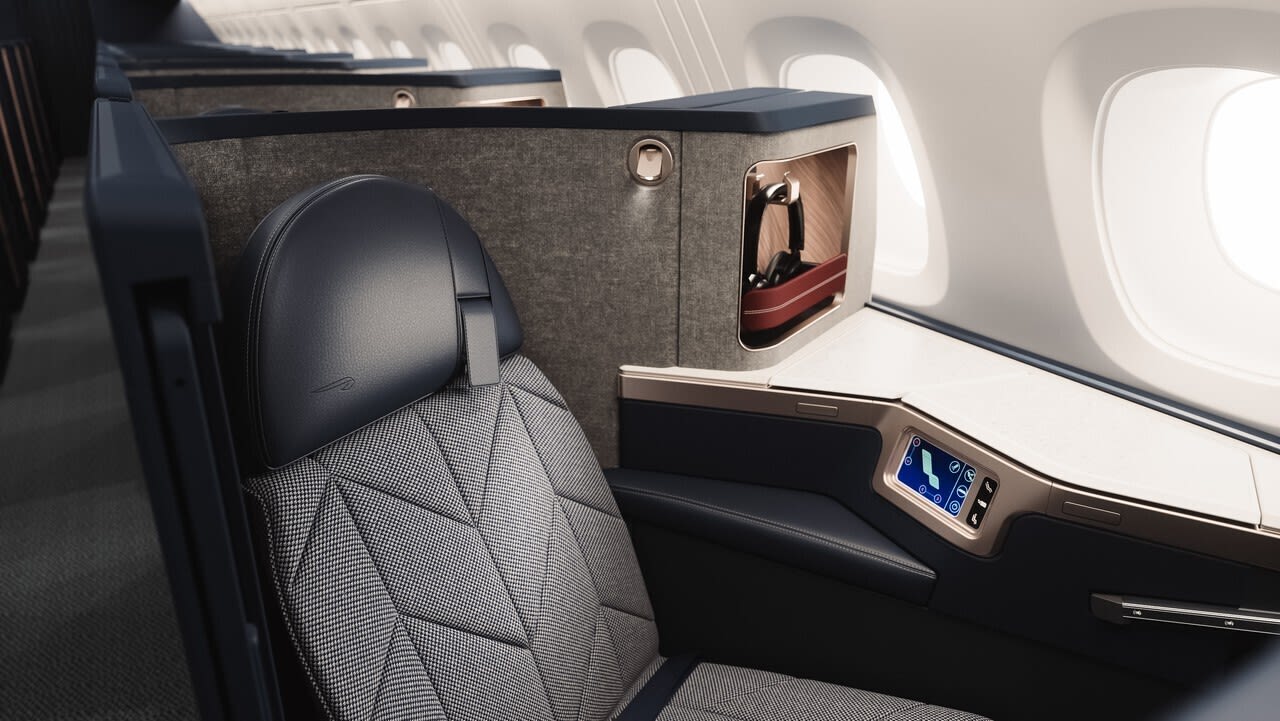
- Record-Breaking Capacity: British Airways is expanding its business class cabin to 106 seats on its 12 A380 aircraft, creating the largest business class layout in the industry.
- Strategic Reconfiguration: The overhaul involves removing dozens of coach-class seats to make room for the premium cabin, marking a significant departure from traditional density-focused layouts.
- Premium Pricing: These high-end seats command a premium, with prices regularly exceeding $5,000 and reaching well over $10,000 on long-haul flights.
- Industry-Wide Trend: Airlines like American Airlines are also investing heavily in premium cabins, debuting 70-seat business class layouts on their largest aircraft.
- A380 Revival: British Airways' bet on the A380 is a strategic move to retain a flagship aircraft in its fleet, despite many carriers retiring the jumbo jet in favor of smaller, more fuel-efficient models.
- Ground Service Upgrades: The overhaul extends beyond the cabin, with significant investments in ground services, including lounges at its London Heathrow hub.
- Certification Challenges: The complexity of new seat designs has led to delays in aircraft deliveries as carriers wait for federal certification and parts.
Deep Dive Analysis
British Airways' decision to expand its business class on the A380 is a bold bet on the future of luxury air travel. By prioritizing the comfort and experience of high-spending passengers, the airline is aligning itself with a growing market segment that values exclusivity and premium service over sheer capacity. This move comes at a time when airlines are under pressure to maximize revenue from every flight, and the premium cabin offers the highest profit margins. The industry-wide trend towards reconfiguring aircraft for premium cabins is driven by the willingness of affluent travelers to pay a premium for better legroom, enhanced privacy, and superior amenities. However, this strategy also carries risks, as it reduces the total number of seats available, potentially alienating budget-conscious travelers. Despite these challenges, the demand for luxury travel continues to rise, supported by a recovering post-pandemic economy and the emergence of a new generation of wealthy travelers seeking unique experiences. British Airways' investment in its A380 fleet and ground services underscores its commitment to maintaining a competitive edge in the premium travel market.
Frequently Asked Questions
Q: Why is British Airways removing coach seats to expand business class? A: Airlines are focusing on high-spending passengers to maximize revenue. Premium cabins offer significantly higher profit margins compared to economy class, and the demand for luxury travel is growing.
Q: How much do these premium seats cost? A: The top-end business class seats regularly range from $5,000 to over $10,000, depending on the flight duration and demand.
Q: What is the significance of the A380 in this strategy? A: The A380 is a flagship aircraft that offers a unique passenger experience. British Airways' decision to retain and upgrade the A380 highlights its commitment to providing a premium travel experience.
Source: https://www.cnbc.com/2026/10/06/british-airways-business-class-a380.html
Related posts
World Bank Raises Economic Growth Forecast for East Asia and Pacific Region
The World Bank has upgraded its economic growth forecast for East Asia and Pacific, highlighting the region's resilience and potential in the face of global challenges.

Controversial Live Animal Feeding at Chinese Zoo Sparks Ethical Debate
A zoo in Fujian province is under fire for offering visitors the chance to pay $9 to watch live chickens being torn apart by tigers and lions, with children among the spectators.

US Bombers Withdraw from UK Base Amid Specific Threats, Trump Reveals
President Trump confirms B-1 bombers left RAF Fairford due to 'specific threats', with Iran allegedly involved in suspected activities against the base.

AstraZeneca's $2 Billion Bet on Summit Drug: The Future of Cancer Combinations
AstraZeneca CEO Pascal Soriot reveals how Summit's ivonescimab could revolutionize oncology by combining immune checkpoint inhibitors with ADC therapies. Discover the details of this historic $2 billion investment.
Lucid Motor's Q3 2026: Production Cuts Signal Shift in EV Demand Strategy
Lucid Motor cuts production by 24% in Q3 2026, delivering 3,806 EVs amid lower demand and a strategic operational reset led by CEO Silvio Napoli.
Philippine Military Aircraft Intrusion: China's South Sea Defense Response
China's Southern Theater Command successfully intercepted a Philippine C-208 aircraft violating Huangyan Dao airspace, reaffirming sovereignty and regional stability.
Spanish Prime Minister Calls Early Parliamentary Elections Amid Political Turmoil
Spain's Prime Minister Pedro Sánchez announces snap parliamentary elections for November 29 following defeat of key housing legislation in parliament.
GM Reverses Course, Announces Hybrid Vehicle Strategy Amid Shifting Market Demands
General Motors is reversing its all-electric strategy to introduce hybrid models as consumer preferences shift amid rising gas prices and slowing EV adoption.
Latest Articles
- Australia Investigates Dubai Airline Co-Pilot's Ties to Country Amid Terrorism Concerns
- Cornell Fraternity Rape Case: Elite Privilege vs. Justice
- Pro-Trump Influencer Faces Defamation Lawsuit Over False ICE Protester Claims
- Why Brands Like E.l.f., Wendy's, and Gap Are Creating Original Music
- Chick-fil-A CEO Andrew Cathy: Staying Family-Owned While Expanding Globally
- Saudi Arabia Prepares 100,000-Yemeni Force Against Houthi Militias Amid Escalating Red Sea Conflict