Constellation Brands Strategic Pivot: Adapting to Beer Demand Shifts & Diversifying into RTD Beverages
Constellation Brands beats earnings by diversifying beyond beer, targeting Hispanic shoppers, and acquiring SpikedAde to capture the growing RTD cocktail market.
Source: CNBC
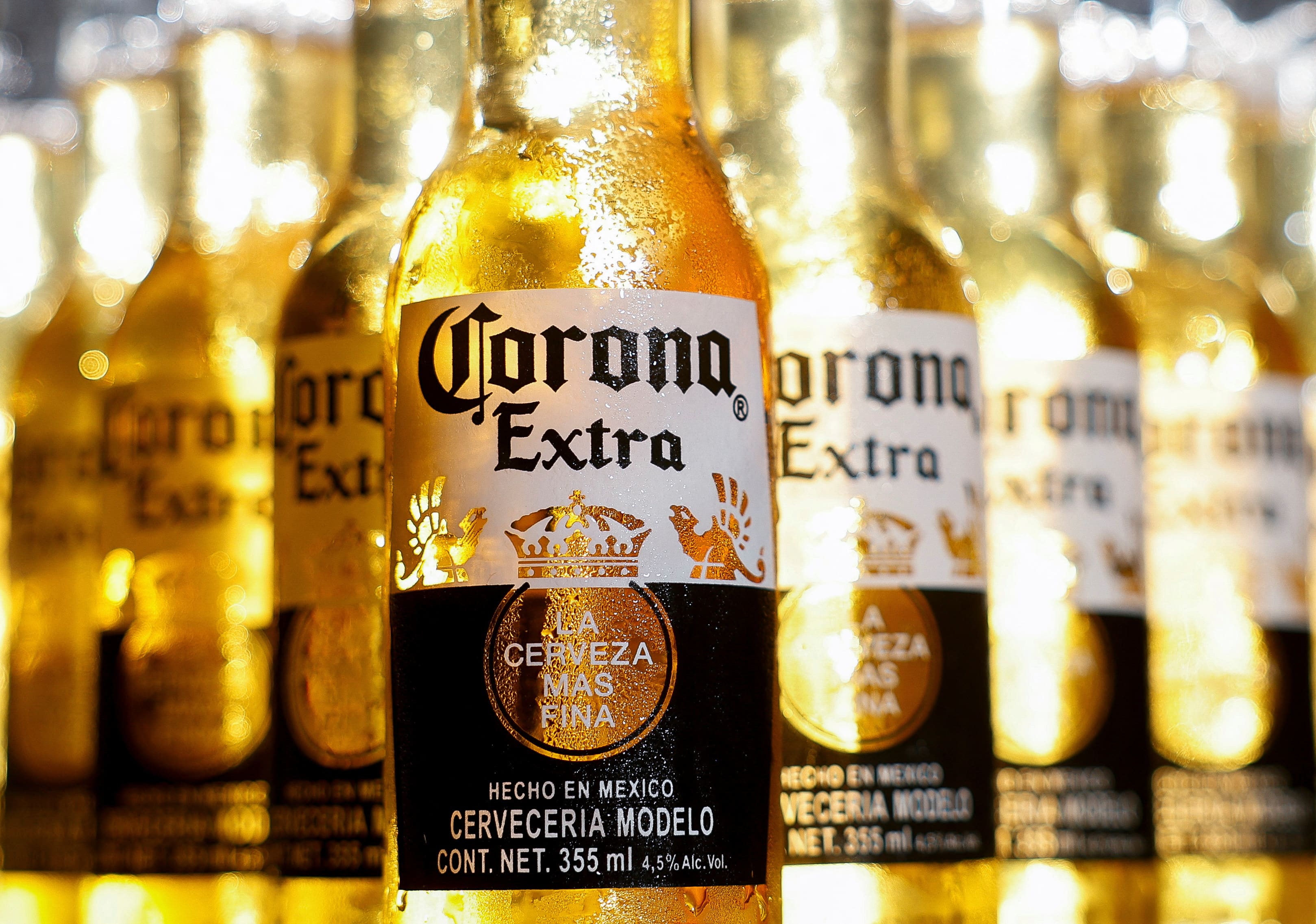
The global beverage market is undergoing a seismic shift as consumers tighten their belts in the face of persistent inflation. For major players like Constellation Brands, the challenge is no longer just about selling more; it is about redefining how they sell. As traditional beer demand softens, the company behind Corona and Modelo Especial is forced to navigate a complex landscape of high costs, selective spending, and evolving consumer habits. The recent earnings report reveals a company in transition, balancing the need to maintain its beer dominance with the urgency of diversifying its portfolio to survive the next decade.
Key Takeaways
- Earnings Beat Amidst Caution: Constellation Brands exceeded Wall Street expectations for both earnings and revenue in its fiscal second quarter, driven by market share gains in its beer portfolio despite broader economic headwinds.
- Inventory Rebuilding: The company recently prioritized rebuilding distributor inventory levels to ensure availability, a strategy that temporarily softened sales figures but sets the stage for future growth.
- Channel-Specific Strategies: To counteract consumer caution, Constellation is tailoring its product sizes and pricing specifically for different retail channels, including a strong performance in club stores where shoppers hunt for deals.
- Focus on Occasion-Based Drinking: The company is pivoting its marketing towards 'special occasions' rather than everyday consumption, leveraging sports, music, and beach events to drive relevance among younger demographics.
- Hispanic Market Focus: With nearly 40% of beer revenue coming from Hispanic consumers, Constellation is particularly sensitive to economic policies and labor market conditions affecting this demographic.
- Strategic Acquisition of SpikedAde: To diversify, Constellation is acquiring SpikedAde, a spirit-based ready-to-drink (RTD) cocktail brand, for $75 million upfront to tap into the fastest-growing segment in the spirits industry.
Deep Dive Analysis
The financial results released by Constellation Brands present a fascinating case study in macroeconomic resilience. The company’s adjusted earnings of $3.74 per share and revenue of $2.63 billion exceeded analyst estimates, signaling that its core brands remain resilient. However, the nuance lies in the data: while beer shipments increased by 5.5%, depletions (actual sales to consumers) declined slightly. This discrepancy suggests that the company is currently in a 'rebuilding phase,' focusing on stockpiling inventory for distributors rather than immediate retail sales. This is a calculated move to ensure that shelves remain full as consumer demand picks up, a strategy that requires significant capital expenditure but promises better returns in the long run.
A critical factor influencing Constellation's performance is the economic pressure on its core demographic. Approximately 40% of the company's beer revenue comes from Hispanic consumers, a figure significantly higher than the industry average of 15%. This heavy reliance makes Constellation particularly vulnerable to economic downturns and specific policy shifts, such as mass deportation policies that can impact household finances and labor markets in key regions. The company’s acknowledgment that beer demand is weaker in areas with larger Hispanic populations highlights the intimate link between its business health and social policy. Consequently, Constellation’s strategy is not just about product pricing but also about community engagement and navigating the socio-economic environment to maintain brand loyalty.
Furthermore, the beverage industry is witnessing a fundamental change in consumption habits, moving away from default purchases towards 'occasion-based' drinking. CFO Garth Hankinson noted that retaining existing consumers is far more cost-effective than trying to win new ones, especially when prices are sensitive. This has led to a more conservative pricing strategy, where increases are kept at the low end of the range to avoid alienating price-sensitive shoppers. Simultaneously, the company is leveraging 'club stores' as a growth engine. As cash-strapped consumers flock to these venues for fuel and grocery deals, Constellation’s brands are seeing particular strength, proving that channel strategy is just as important as product quality.
The most significant strategic shift, however, is Constellation’s aggressive move into the Ready-to-Drink (RTD) cocktail market. By acquiring SpikedAde for $75 million upfront, with potential earn-out payments of up to $278 million, the company is betting on the future of spirits. According to industry data, premixed cocktails grew by 16.4% in 2025, outpacing almost every other category in the spirits industry. This acquisition allows Constellation to leverage its existing distribution network and brand-building capabilities in a sector that is rapidly attracting younger consumers who prefer convenience over traditional mixing. CEO Nicholas Fink’s vision is clear: remain relevant by expanding beyond beer, ensuring that Constellation is not left behind as the industry landscape evolves.
Frequently Asked Questions
Why did Constellation Brands' beer shipments increase while depletions decreased?
Constellation is currently in a phase of rebuilding distributor inventory. While they are shipping more beer to wholesalers to ensure supply, actual retail sales (depletions) are slightly down because the focus is on stocking shelves for the future rather than immediate consumption.
How is Constellation Brands targeting younger drinkers?
The company is shifting its marketing focus from everyday drinking to specific 'occasions' such as sports events, music festivals, and beach activities. This strategy aims to make beer a deliberate choice for celebration rather than a default purchase.
What is the significance of the SpikedAde acquisition?
The acquisition allows Constellation to enter the fast-growing Ready-to-Drink (RTD) cocktail market. This diversification is crucial as RTD sales are the strongest growth category in the spirits industry, helping the company capture revenue from consumers who prefer ready-to-drink options over traditional beer.
Source: https://www.cnbc.com/2026/10/07/constellation-brands-earnings-beer-demand.html
Related posts

Used Car Prices Decline as Fuel Efficiency Demand Surges
Q3 sees unexpected drop in used vehicle prices as high gas prices and inflation impact consumer spending, with fuel-efficient vehicles gaining popularity.
South Korea to Tighten Military Exemption Rules for Athletes
South Korea plans to tighten military exemption rules for athletes following the controversy over the national soccer team's recent comments about avoiding conscription.

South Korea's Former President Yoon Suk Yeol Acquitted in Political Funding Case
Seoul High Court acquits former President Yoon Suk Yeol in second trial over alleged violation of Political Funding Act, overturning lower court conviction.

Paramount Skydance Merger: A Historic Media Consolidation
The $110 billion merger of Paramount and Warner Bros. Discovery creates a global entertainment giant. Explore the timeline, challenges, and future of Skydance.

British Airways Expands Business Class to 106 Seats on A380: The Future of Luxury Travel
British Airways is transforming its A380 fleet with a record 106-seat business class cabin. Explore how airlines are betting big on high-spending travelers and the industry's shift towards premium luxury.

Cheapest & Most Expensive US Flights in November 2026
Thanksgiving airfare surges over 30% due to jet fuel costs. Discover the best budget routes like Atlanta to the Midwest and the priciest trips from Alaska to the East Coast.

Key States Hold Clues to 2026 Midterm Election Outcomes
As the 2026 midterm elections approach, six battleground states offer critical insights into voter priorities and potential shifts in political power.
World Bank Raises Economic Growth Forecast for East Asia and Pacific Region
The World Bank has upgraded its economic growth forecast for East Asia and Pacific, highlighting the region's resilience and potential in the face of global challenges.
Latest Articles
- Controversial Live Animal Feeding at Chinese Zoo Sparks Ethical Debate
- US Bombers Withdraw from UK Base Amid Specific Threats, Trump Reveals
- AstraZeneca's $2 Billion Bet on Summit Drug: The Future of Cancer Combinations
- Lucid Motor's Q3 2026: Production Cuts Signal Shift in EV Demand Strategy
- Philippine Military Aircraft Intrusion: China's South Sea Defense Response
- Spanish Prime Minister Calls Early Parliamentary Elections Amid Political Turmoil