Used Car Prices Decline as Fuel Efficiency Demand Surges
Q3 sees unexpected drop in used vehicle prices as high gas prices and inflation impact consumer spending, with fuel-efficient vehicles gaining popularity.
Source: CNBC
The used car market is experiencing a significant shift as prices fall more sharply than anticipated, driven by rising fuel costs and broader economic pressures. This trend comes as American consumers increasingly prioritize fuel efficiency in their vehicle choices, reflecting changing priorities in an inflationary environment.
Key Insights
- Price Forecast Adjustment: Cox Automotive has significantly lowered its forecast for the Manheim Used Vehicle Value Index, now predicting only a 0.2% increase for the year instead of the previously anticipated 2% rise. This minimal increase would mark the third consecutive year of relatively flat pricing following the pandemic-era volatility.
- Quarterly Decline: The index showed a 1.95% decline from July to September, with September alone experiencing a 0.6% drop compared to the previous year. This was the first time since March 2025 that the monthly index hadn't been higher than the previous year.
- Historical Context: The current performance contrasts with the historical average of approximately 2.3% year-over-year gain for the Manheim index. Non-adjusted wholesale used-vehicle prices fell 1.2% year-over-year in September and 1.3% from August as depreciation accelerated.
- Fuel Efficiency Trend: Smaller, fuel-efficient vehicles have seen increased values during the quarter, while large trucks and SUVs have performed poorly. This shift occurred as the national average gas price reached $4.33 per gallon in September, 50 cents higher than the previous record set in 2023.
- Market Dynamics: Electric vehicle sales and off-lease volume continue to grow, reshaping the used-vehicle market. Retail demand for used vehicles remains relatively healthy, though pricing changes suggest dealers may have reached a ceiling on what consumers are willing to pay.
Deep Analysis
The current trajectory of the used car market reflects broader economic challenges facing American consumers. Rising interest rates and falling consumer sentiment are creating a complex landscape where the wealth effect from financial asset growth provides only limited offset. The convergence of market metrics toward pre-pandemic norms has been anything but smooth, with external factors like the ongoing Middle East conflict and record diesel prices adding further pressure.
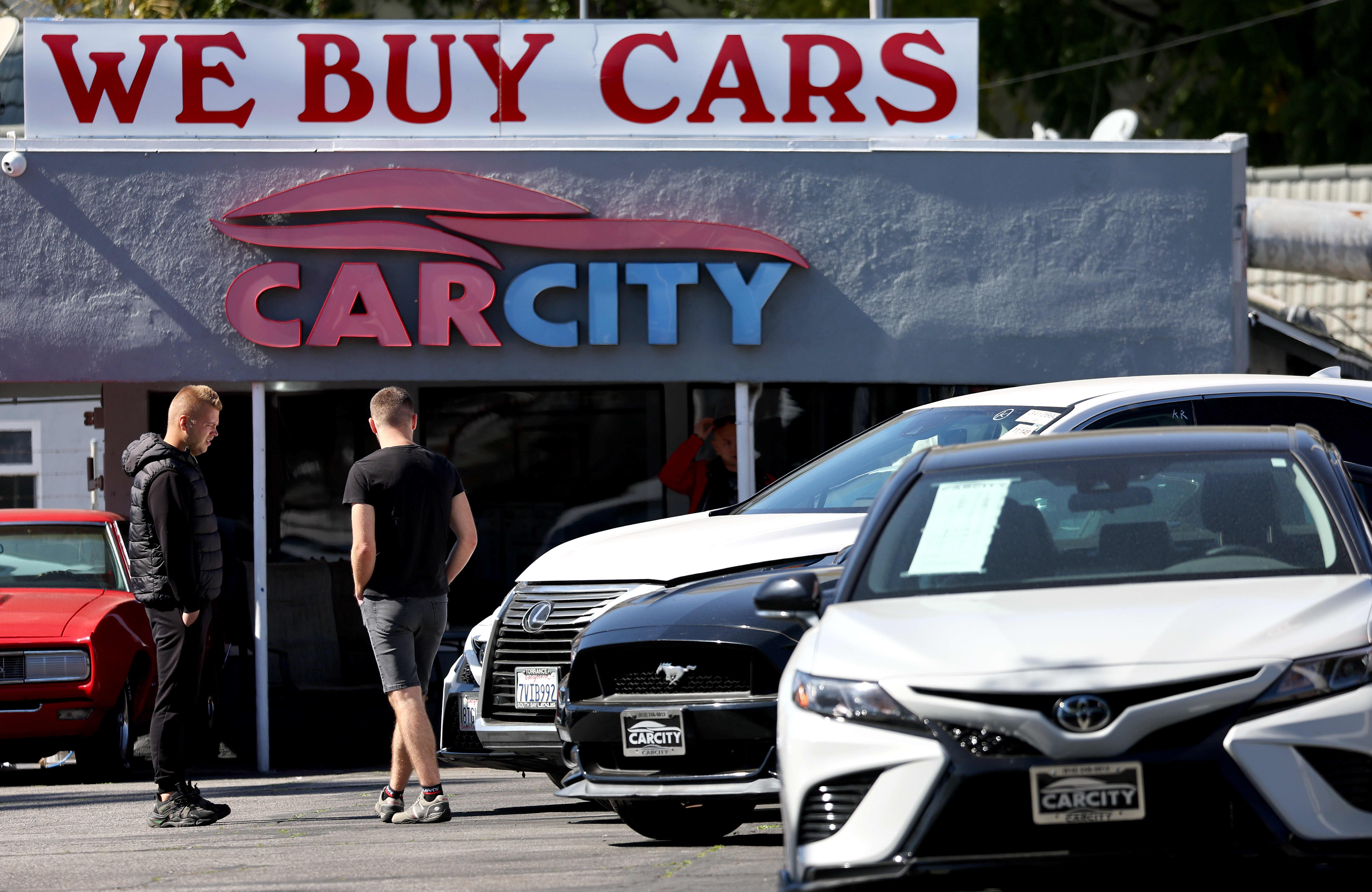
The shift toward fuel-efficient vehicles represents a significant realignment in consumer preferences, driven by economic necessity rather than environmental considerations alone. This trend is likely to continue as fuel prices remain elevated and economic uncertainty persists. The used car market's performance also highlights the growing gap between new and used vehicle prices, with the average used vehicle listed at $27,239 compared to over $50,000 for new models. This price disparity reinforces why the majority of U.S. consumers continue to opt for used vehicles despite market volatility.
Looking ahead, the used car market may face continued pressure through the end of 2026 as interest rates climb and consumer sentiment remains fragile. However, the growing supply of electric vehicles and fuel-efficient models entering the used market could provide opportunities for buyers seeking more affordable options. Market watchers should pay close attention to how wholesale prices translate to retail markets and whether dealers adjust their pricing strategies to maintain sales volume in an increasingly challenging economic environment.
Frequently Asked Questions
Why are used car prices falling despite high demand? The decline is primarily driven by economic factors including rising interest rates, inflation, and record-high fuel prices, which are limiting what dealers can charge consumers while increasing the appeal of more fuel-efficient options.
How does the current market compare to pre-pandemic norms? While some metrics are converging toward pre-pandemic levels, the path has been volatile, with the used car market experiencing three consecutive years of relatively flat pricing after significant pandemic-era fluctuations.
Source: https://www.cnbc.com/2026/10/07/used-cars-manheim-index.html
Related posts

Constellation Brands Strategic Pivot: Adapting to Beer Demand Shifts & Diversifying into RTD Beverages
Constellation Brands beats earnings by diversifying beyond beer, targeting Hispanic shoppers, and acquiring SpikedAde to capture the growing RTD cocktail market.
South Korea to Tighten Military Exemption Rules for Athletes
South Korea plans to tighten military exemption rules for athletes following the controversy over the national soccer team's recent comments about avoiding conscription.

South Korea's Former President Yoon Suk Yeol Acquitted in Political Funding Case
Seoul High Court acquits former President Yoon Suk Yeol in second trial over alleged violation of Political Funding Act, overturning lower court conviction.

Paramount Skydance Merger: A Historic Media Consolidation
The $110 billion merger of Paramount and Warner Bros. Discovery creates a global entertainment giant. Explore the timeline, challenges, and future of Skydance.

British Airways Expands Business Class to 106 Seats on A380: The Future of Luxury Travel
British Airways is transforming its A380 fleet with a record 106-seat business class cabin. Explore how airlines are betting big on high-spending travelers and the industry's shift towards premium luxury.
Cheapest & Most Expensive US Flights in November 2026
Thanksgiving airfare surges over 30% due to jet fuel costs. Discover the best budget routes like Atlanta to the Midwest and the priciest trips from Alaska to the East Coast.

Key States Hold Clues to 2026 Midterm Election Outcomes
As the 2026 midterm elections approach, six battleground states offer critical insights into voter priorities and potential shifts in political power.
World Bank Raises Economic Growth Forecast for East Asia and Pacific Region
The World Bank has upgraded its economic growth forecast for East Asia and Pacific, highlighting the region's resilience and potential in the face of global challenges.
Latest Articles
- Controversial Live Animal Feeding at Chinese Zoo Sparks Ethical Debate
- US Bombers Withdraw from UK Base Amid Specific Threats, Trump Reveals
- AstraZeneca's $2 Billion Bet on Summit Drug: The Future of Cancer Combinations
- Lucid Motor's Q3 2026: Production Cuts Signal Shift in EV Demand Strategy
- Philippine Military Aircraft Intrusion: China's South Sea Defense Response
- Spanish Prime Minister Calls Early Parliamentary Elections Amid Political Turmoil