Makkah Defense Alliance: New Regional Security Architecture or Geopolitical Gamble?
Turkey, Saudi Arabia, and Pakistan formalize the Makkah Defense Alliance. Explore its strategic implications, expansion prospects, and challenges in a volatile Middle East.
Source: thepaper.cn
In a region already bristling with tensions, a new security pact is taking shape. On August 31, 2026, the foreign and defense ministers of Turkey, Saudi Arabia, and Pakistan convened in Istanbul for the inaugural meeting of the Strategic Political and Defense Committee, established under the Makkah Common Defense Agreement signed earlier that month. The meeting marked a significant step toward institutionalizing what is now officially called the 'Makkah Defense Alliance.' With its secretariat set for Riyadh and a Pakistani secretary-general, this trilateral initiative signals a potential shift in Middle East security dynamics. But is it a genuine new architecture for stability, or a fragile geopolitical gamble? Let's unpack the details, motivations, and what lies ahead.
Key Highlights
-
Formalization of the Alliance: The three nations agreed on the official name 'Makkah Defense Alliance' and decided to establish its secretariat in Riyadh. Pakistan will hold the first secretary-general position, reflecting a balanced distribution of roles among the founding members.
-
Collective Defense Clause: The core of the agreement stipulates that an armed attack on any one member is considered an attack on all. This mutual defense commitment, reminiscent of NATO's Article 5, aims to deter aggression, though its operational mechanisms remain undefined.
-
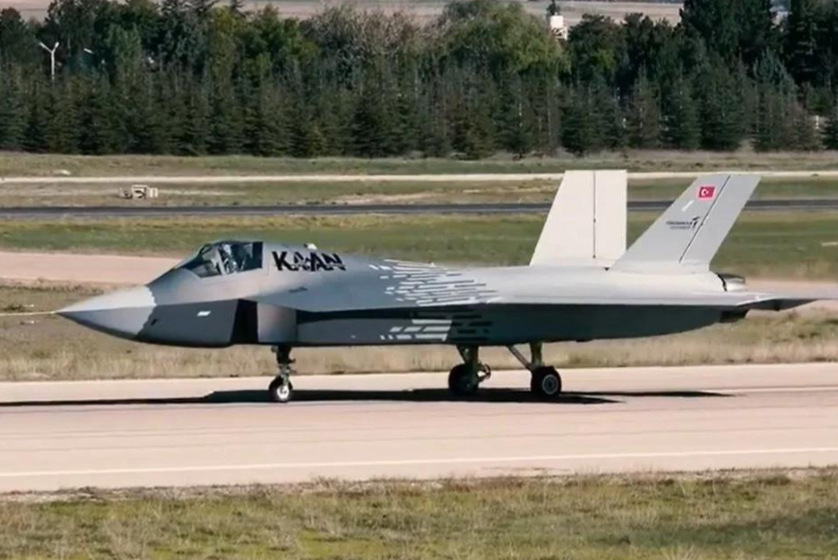
Defense and Industrial Cooperation: Turkey, with the strongest defense industry among the trio, is expected to supply weapons and technology to Pakistan and Saudi Arabia. This could include advanced systems like Turkey's KAAN stealth fighter, which has reportedly drawn interest from both countries.
-
Open-Ended Membership: Turkish Foreign Minister Hakan Fidan emphasized that the alliance is not directed against any nation and is open to all countries respecting sovereignty and non-interference. This has fueled speculation about potential new members, including Bangladesh, Egypt, and even Iran.
-
Timing Amid Regional Crises: The alliance's formation coincides with heightened US-Iran tensions, including recent airstrikes near the Strait of Hormuz. The pact may be a response to perceived shifts in the Gulf security landscape, where traditional US guarantees are seen as less reliable.
-
Complementary to NATO: Fidan clarified that the alliance does not conflict with Turkey's NATO obligations, positioning it as a supplementary framework rather than a replacement. This dual alignment could create diplomatic complexities, but Turkey insists it's manageable.
In-Depth Analysis
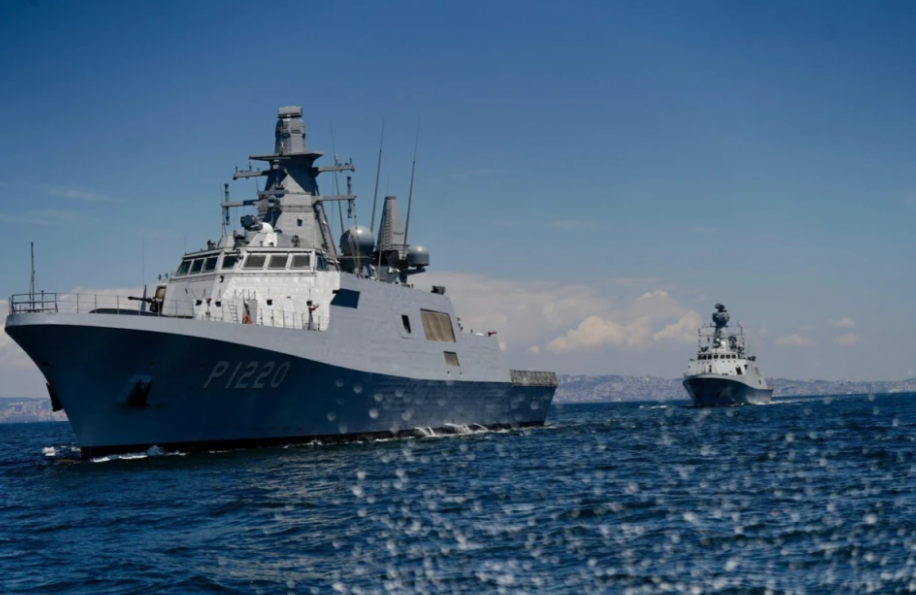
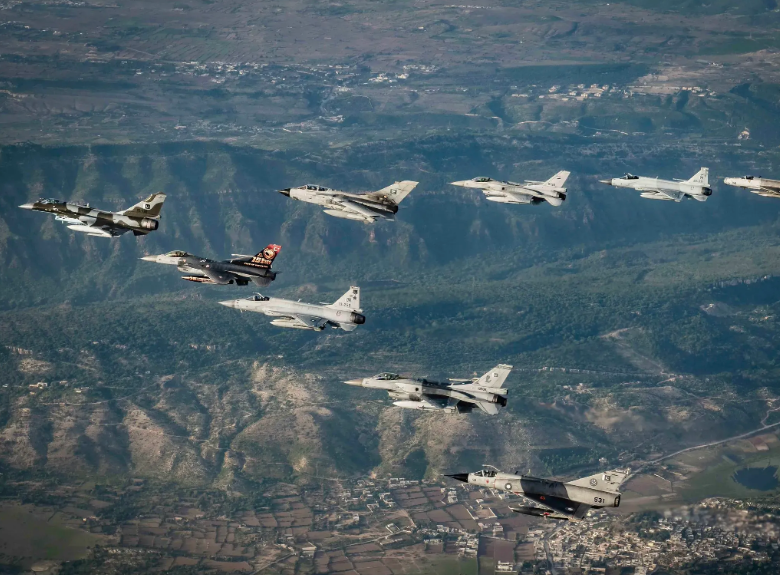
The Makkah Defense Alliance represents a pragmatic realignment among three pivotal Islamic powers. Historically, Saudi Arabia and Pakistan have shared close defense ties, while Turkey has expanded its military footprint in the region. This trilateral pact institutionalizes their cooperation, creating a platform for joint exercises, intelligence sharing, and coordinated defense procurement. The choice of Riyadh as the secretariat's home underscores Saudi Arabia's central role, while Pakistan's appointment as first secretary-general balances influence.
This alliance emerges from a profound shift in Gulf security perceptions. For decades, Gulf monarchies relied on the US security umbrella, viewing Iran as the primary threat. However, recent conflicts have exposed the vulnerability of US military assets in the region, as evidenced by Iran's ability to strike US bases and disrupt shipping. Consequently, Riyadh appears to be diversifying its security partnerships, with Ankara and Islamabad serving as alternative pillars. Turkey's growing defense industry and Pakistan's nuclear capability add strategic weight.
The alliance's expansion prospects are intriguing. Egypt, with its regional heft, is a prime candidate, though constitutional and treaty constraints may delay its entry. Bangladesh has expressed interest, but analysts caution against hasty alignment given its tradition of strategic autonomy. Iran's potential inclusion seems paradoxical, yet Tehran's reported invitation (though unconfirmed) suggests a desire to reduce hostilities. However, any expansion requires consensus among founding members, especially regarding security guarantees for new entrants.
The true test, as experts note, will come after the current conflicts subside. If the alliance survives the ongoing US-Iran tensions and Israel's operations in Syria, it could signify a fundamental restructuring of regional security. But if it becomes perceived as an anti-Iran bloc, it risks alienating Tehran and destabilizing the region further. The alliance's success hinges on its ability to present itself as a defensive, inclusive framework.
From a broader perspective, this alliance reflects a multipolar world order where regional powers increasingly take security into their own hands. It also challenges the traditional US-centric security architecture, potentially leading to a more fragmented but locally responsive system. For Turkey, it enhances its influence in the Islamic world; for Saudi Arabia, it provides an additional security layer; for Pakistan, it offers economic and strategic dividends.
Frequently Asked Questions
Q: Is the Makkah Defense Alliance a direct challenge to NATO? A: No, Turkish officials explicitly state that the alliance complements Turkey's NATO commitments. It's a supplementary framework focused on regional defense cooperation, not a replacement for existing alliances.
Q: Could Iran actually join the alliance? A: While there are unconfirmed reports of an invitation, Iran's foreign ministry denies receiving one. Given the historical and sectarian tensions, Iran's inclusion would be a major shift, but it remains speculative at this stage.
Q: What does the alliance mean for the US presence in the Middle East? A: The alliance signals a diversification of security partnerships among Gulf states, reducing their sole reliance on the US. This could lead to a more independent regional security posture, though the US remains a significant player.
Source: https://www.thepaper.cn/newsDetail_forward_33983921
Related posts
China's Diplomatic Stance on Philippines: Navigating Tensions and Seeking Stability
China urges the Philippines to accurately understand its stance on improving bilateral relations amidst rising tensions and military rhetoric.
US Restrictions on Chinese Drones Backfire as Performance Gap Widens
American bans on Chinese drones are causing significant problems across multiple industries, with police departments and construction firms struggling to find affordable alternatives that match Chinese technology.

Strait of Hormuz Attacks Surge as Iran Seeks to Influence US Midterm Elections
Recent spike in vessel attacks in the Strait of Hormuz reveals Iran's strategy to impact global oil markets and US politics amid escalating tensions.
Southwest Airlines Overhauls Loyalty Program with New Tiers and Benefits
Southwest Airlines is replacing its two-tier frequent flyer program with silver, gold, and platinum levels, offering enhanced benefits and changing its approach to the Companion Pass.
Oregon School Shooting: Tragedy Sparks Debate on Gun Control
A deadly shooting at an Oregon elementary school leaves at least 5 dead, reigniting national conversation about school safety and gun legislation.

The Billionaire Space Race: Musk vs. Bezos
Elon Musk and Jeff Bezos are locked in a fierce rivalry for the future of space exploration, utilizing their immense wealth to dominate the aerospace industry.
JetBlue BlueFirst: New Domestic First Class for Under $300
JetBlue launches BlueFirst, a new domestic first-class cabin with lie-flat seats and premium amenities, starting at $299. Here is what you need to know.
Bank of America Spends Billions to Patch AI-Exposed Flaws
Discover how Bank of America deployed 1,000 contractors to fix software vulnerabilities exposed by Anthropic's Mythos AI, marking a costly defensive shift in enterprise security.
Latest Articles
- Zelensky Announces Resumption of Strikes on Russian Oil Refineries
- SpaceX Starshield Cuts Ukraine's Starlink Speed: US-Government Pressure or Political Stunt?
- China Upgrades Asia-Africa Pavilion at CIIE to Boost Zero-Tariff Benefits
- Bank of America Q3 2026: Revenue Miss, Regulatory Penalty, and Stock Drop Analysis
- Morgan Stanley Q3 2026: AI Boom Fuels Record Equity Trading Revenue
- AI-Powered Counterterrorism: New Frontiers in the Fight Against Modern Terrorist Threats