Nepal Landslide Death Toll Reaches 1,127: A Disaster Crisis Unfolds
Nepal's landslide death toll hits 1,127 after a massive disaster in Rasuwa. Explore the causes, government response, and long-term implications for disaster management in the Himalayas.
Source: thepaper.cn
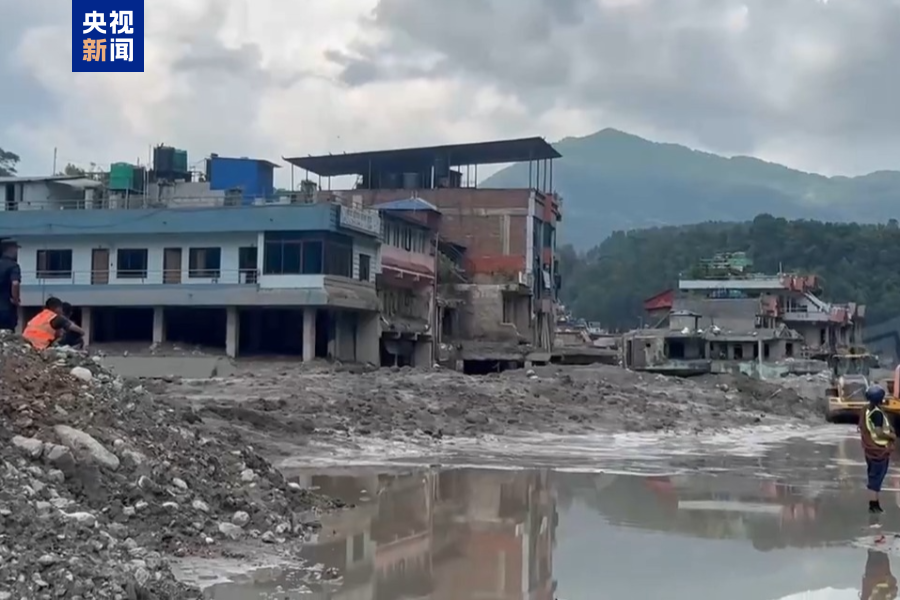
In the rugged terrains of the Himalayas, nature's fury has once again underscored the fragility of human settlements. As of September 2, 2026, Nepal's police have confirmed that the death toll from a catastrophic landslide has surged to 1,127. This tragedy, which struck the northern district of Rasuwa on August 26, has not only claimed hundreds of lives but also triggered a state of emergency, prompting the government to designate affected areas as disaster crisis zones for three months. The scale of this disaster demands global attention, not just for its immediate devastation but for the broader questions it raises about climate resilience, disaster preparedness, and the future of mountainous communities.
Key Highlights
- Unprecedented Casualties: The landslide in Rasuwa district has resulted in 1,127 confirmed deaths, making it one of the deadliest natural disasters in Nepal's recent history. The toll is expected to rise as rescue teams continue to search through debris, with many areas still inaccessible.
- Government's Immediate Response: On August 26, the Nepalese government declared the affected regions as disaster crisis areas for a period of three months. This legal measure aims to centralize rescue operations, enforce stricter movement controls, and accelerate post-disaster recovery efforts.
- Geographical Context: Rasuwa, located near the Tibetan border, is characterized by steep slopes and fragile geology, making it highly susceptible to landslides, especially during the monsoon season. The disaster was likely triggered by intense rainfall, a pattern increasingly linked to climate change.
- Rescue and Relief Challenges: The rugged terrain and damaged infrastructure have hampered rescue efforts. Helicopters and ground teams are working around the clock, but the scale of destruction has overwhelmed local capacities, necessitating national and international support.
- Long-term Displacement: Beyond the immediate death toll, thousands of residents have been displaced, losing homes, livestock, and livelihoods. The government faces the daunting task of providing shelter, food, and medical care to survivors while planning for reconstruction.
- Historical Precedent: Nepal has a history of devastating landslides, including the 2015 earthquake-triggered avalanches and subsequent landslides. However, this event highlights a worrying trend of increasing frequency and intensity, attributed to unregulated development and deforestation.
- Community Impact: The disaster has devastated local communities, with entire villages buried under mud and rock. The social fabric is torn, and psychological trauma will linger for years, requiring sustained mental health support.
- International Attention: Global media and aid organizations are turning their eyes to Nepal, with offers of assistance pouring in. This international solidarity is crucial, but it also underscores the need for long-term investment in disaster risk reduction in vulnerable regions.
In-Depth Analysis
This catastrophic event is not merely a natural phenomenon but a stark reminder of the compounding vulnerabilities in mountainous regions. Nepal, ranked among the most disaster-prone countries globally, faces a perfect storm of geological instability, poverty, and climate change. The landslide in Rasuwa is a tragic case study in how environmental degradation, such as deforestation and road construction without proper planning, exacerbates the impact of natural hazards. Moreover, the government's declaration of disaster crisis zones, while necessary, reveals a reactive rather than proactive approach to disaster management. The three-month window for concentrated relief and recovery is a short-term fix; what Nepal truly needs is a comprehensive strategy that includes early warning systems, sustainable land-use planning, and community-based preparedness. Climate scientists have long warned that the Hindu Kush Himalayan region is warming faster than the global average, leading to more erratic rainfall and glacial lake outburst floods. This disaster should catalyze a global conversation on climate adaptation funding for vulnerable nations. As Nepal rebuilds, it must prioritize building back better, not just reconstructing what was lost. The international community, too, must recognize that investing in resilience is far more cost-effective than responding to emergencies. The road to recovery will be long, but with concerted effort and global solidarity, Nepal can emerge stronger, though the scars of this tragedy will remain.
Frequently Asked Questions
Why is Nepal so prone to landslides?
Nepal's topography, with its steep slopes and young, fragile Himalayan geology, makes it inherently susceptible to landslides. Monsoon rains, earthquakes, and human activities like road construction and deforestation further increase the risk.
What is a disaster crisis zone, and how does it help?
A disaster crisis zone is a legal designation that allows the government to streamline resources, enforce movement restrictions, and expedite recovery efforts. In Nepal, this status lasts for three months, enabling focused action in the affected areas.
How can I help the victims of this disaster?
Donations to reputable organizations like the Nepal Red Cross Society or the UN Office for the Coordination of Humanitarian Affairs can provide immediate relief. Additionally, raising awareness and advocating for climate action can help prevent future tragedies.
Source: https://www.thepaper.cn/newsDetail_forward_33991519
Related posts
China's Diplomatic Stance on Philippines: Navigating Tensions and Seeking Stability
China urges the Philippines to accurately understand its stance on improving bilateral relations amidst rising tensions and military rhetoric.
US Restrictions on Chinese Drones Backfire as Performance Gap Widens
American bans on Chinese drones are causing significant problems across multiple industries, with police departments and construction firms struggling to find affordable alternatives that match Chinese technology.

Strait of Hormuz Attacks Surge as Iran Seeks to Influence US Midterm Elections
Recent spike in vessel attacks in the Strait of Hormuz reveals Iran's strategy to impact global oil markets and US politics amid escalating tensions.

Southwest Airlines Overhauls Loyalty Program with New Tiers and Benefits
Southwest Airlines is replacing its two-tier frequent flyer program with silver, gold, and platinum levels, offering enhanced benefits and changing its approach to the Companion Pass.
Oregon School Shooting: Tragedy Sparks Debate on Gun Control
A deadly shooting at an Oregon elementary school leaves at least 5 dead, reigniting national conversation about school safety and gun legislation.

The Billionaire Space Race: Musk vs. Bezos
Elon Musk and Jeff Bezos are locked in a fierce rivalry for the future of space exploration, utilizing their immense wealth to dominate the aerospace industry.

JetBlue BlueFirst: New Domestic First Class for Under $300
JetBlue launches BlueFirst, a new domestic first-class cabin with lie-flat seats and premium amenities, starting at $299. Here is what you need to know.

Bank of America Spends Billions to Patch AI-Exposed Flaws
Discover how Bank of America deployed 1,000 contractors to fix software vulnerabilities exposed by Anthropic's Mythos AI, marking a costly defensive shift in enterprise security.
Latest Articles
- Zelensky Announces Resumption of Strikes on Russian Oil Refineries
- SpaceX Starshield Cuts Ukraine's Starlink Speed: US-Government Pressure or Political Stunt?
- China Upgrades Asia-Africa Pavilion at CIIE to Boost Zero-Tariff Benefits
- Bank of America Q3 2026: Revenue Miss, Regulatory Penalty, and Stock Drop Analysis
- Morgan Stanley Q3 2026: AI Boom Fuels Record Equity Trading Revenue
- AI-Powered Counterterrorism: New Frontiers in the Fight Against Modern Terrorist Threats