SCO+ Summit: China's Vision for a Multipolar World and Global Governance Reform
President Xi Jinping's SCO+ address in Bishkek proposes a new model for multipolarity, emphasizing equality, rule of law, and the Global South's role. Analysis of key proposals and implications.
Source: thepaper.cn
In a world grappling with geopolitical fragmentation, the Shanghai Cooperation Organization (SCO) has emerged as a pivotal platform for dialogue. On September 1, 2026, Chinese President Xi Jinping attended the "SCO+" meeting in Bishkek, Kyrgyzstan, delivering a speech that outlined a comprehensive vision for reforming global governance. His address, titled "Jointly Advocating an Equal and Orderly Multipolar World and Achieving a More Just and Equitable Global Governance," came at a time when the international order faces unprecedented challenges. With the rise of the Global South and growing discontent with unilateralism, Xi's proposals offer a roadmap for a more inclusive and rule-based international system. This article breaks down the key points, analyzes their significance, and explores what they mean for global politics and economics.
Key Takeaways
-
Advocating for Equal and Orderly Multipolarity: Xi emphasized that the world should move toward a multipolar system based on sovereign equality and mutual respect. He argued that all nations, regardless of size or strength, should have equal rights and opportunities. This is a direct challenge to hegemonic practices and double standards.
-
Global South as a Key Force: The speech highlighted the growing influence of the Global South, noting that these countries are now a crucial part of the multipolar structure. Xi called for increasing their representation and voice in international affairs, reflecting the shifting global power dynamics.
-
Strengthening the United Nations and Multilateralism: Xi stressed the need to revitalize the UN's authority and vitality. He advocated for international rules to be jointly formulated by all countries, rejecting unilateralism and promoting dialogue over confrontation. This aligns with SCO's principle of "consultation, consensus, and cooperation."
-
Bridging the Digital and Intelligence Gap: A key proposal was to focus on development and open cooperation to bridge the digital and AI divide. Xi emphasized that technological revolutions should benefit all peoples, not just a few nations. This is particularly relevant for developing countries seeking to catch up in the digital economy.
-
Three Concrete Proposals for SCO: Xi put forward three actionable suggestions: first, using "SCO strength" to drive prosperity in the Eurasian continent through high-quality Belt and Road cooperation; second, leveraging "SCO wisdom" to empower the Global South and expand partnerships; and third, taking "SCO action" to lead global governance reform.
-
Historical Context and Achievements: Xi noted that over 25 years, the SCO has become a model for relations between major powers, neighbors, and countries of different sizes. It now represents nearly half of the world's population and a quarter of global GDP, underscoring its growing relevance.
In-Depth Analysis
Xi's speech at the SCO+ meeting is more than a diplomatic gesture; it is a strategic articulation of China's vision for a new international order. The emphasis on "equal and orderly multipolarity" is a nuanced response to both US-led unipolarity and the chaotic multipolarity of the post-Cold War era. By advocating for a rule-based multipolar system, China positions itself as a champion of the Global South, which has long felt marginalized in global decision-making. This is a calculated move to consolidate support among developing nations, particularly as China seeks to counterbalance the influence of Western-led institutions.
The proposal to bridge the digital and intelligence gap is particularly significant. As AI and automation reshape economies, the risk of a new technological divide is real. China's call for inclusive technological development aligns with its own initiatives like the Global AI Governance Initiative, and it offers a narrative that resonates with countries wary of tech monopolies. However, critics may argue that China's own technological ambitions and data governance practices create contradictions with its stated principles.
The SCO's expansion—with new members like Iran and Belarus—reflects its growing appeal as an alternative to Western alliances. Yet, this also brings challenges, such as divergent interests among members, from Russia's security concerns to India's balancing act. The "SCO+" format, which includes non-member observer states and international organizations, is a flexible mechanism that allows for broader engagement without formal commitments. This pragmatic approach may prove effective in building consensus on global issues, but it also risks diluting the organization's cohesion.
Looking ahead, the SCO's role in global governance will likely expand, especially in areas like counter-terrorism, energy security, and digital economy. The emphasis on "action-oriented" cooperation suggests that China intends to use the SCO as a vehicle for tangible projects, such as infrastructure development under the Belt and Road Initiative. However, the success of these initiatives will depend on the willingness of member states to align their national interests with collective goals. As the world moves toward a more fragmented yet interconnected order, the SCO's ability to foster dialogue and cooperation will be a test of its relevance.
Frequently Asked Questions
Q: What is the "SCO+" meeting and why is it important?
The "SCO+" meeting is an expanded format of the Shanghai Cooperation Organization, which includes not only member states but also observer states, dialogue partners, and representatives of international organizations. It is important because it allows for broader discussions on global governance and security, reflecting the SCO's ambition to be a platform for inclusive dialogue beyond its core membership.
Q: How does China's proposal for "equal and orderly multipolarity" differ from existing concepts?
China's concept emphasizes that multipolarity should be based on sovereign equality, mutual respect, and adherence to international law, avoiding the chaos of unchecked power competition. It differs from Western notions of a "rules-based international order" by stressing the need for all countries, especially major powers, to abide by rules and for international institutions to be more inclusive of the Global South.
Q: What are the potential implications for the United States and its allies?
The SCO+ summit reinforces the trend toward a multipolar world, challenging the dominance of US-led institutions. For the US and its allies, this means they may need to engage more with alternative forums like the SCO, or risk being sidelined in global discussions on issues like trade, security, and technology. It also highlights the growing influence of China and Russia in shaping global norms.
Source: https://www.thepaper.cn/newsDetail_forward_33983461
Related posts
China's Diplomatic Stance on Philippines: Navigating Tensions and Seeking Stability
China urges the Philippines to accurately understand its stance on improving bilateral relations amidst rising tensions and military rhetoric.
US Restrictions on Chinese Drones Backfire as Performance Gap Widens
American bans on Chinese drones are causing significant problems across multiple industries, with police departments and construction firms struggling to find affordable alternatives that match Chinese technology.

Strait of Hormuz Attacks Surge as Iran Seeks to Influence US Midterm Elections
Recent spike in vessel attacks in the Strait of Hormuz reveals Iran's strategy to impact global oil markets and US politics amid escalating tensions.

Southwest Airlines Overhauls Loyalty Program with New Tiers and Benefits
Southwest Airlines is replacing its two-tier frequent flyer program with silver, gold, and platinum levels, offering enhanced benefits and changing its approach to the Companion Pass.
Oregon School Shooting: Tragedy Sparks Debate on Gun Control
A deadly shooting at an Oregon elementary school leaves at least 5 dead, reigniting national conversation about school safety and gun legislation.

The Billionaire Space Race: Musk vs. Bezos
Elon Musk and Jeff Bezos are locked in a fierce rivalry for the future of space exploration, utilizing their immense wealth to dominate the aerospace industry.

JetBlue BlueFirst: New Domestic First Class for Under $300
JetBlue launches BlueFirst, a new domestic first-class cabin with lie-flat seats and premium amenities, starting at $299. Here is what you need to know.
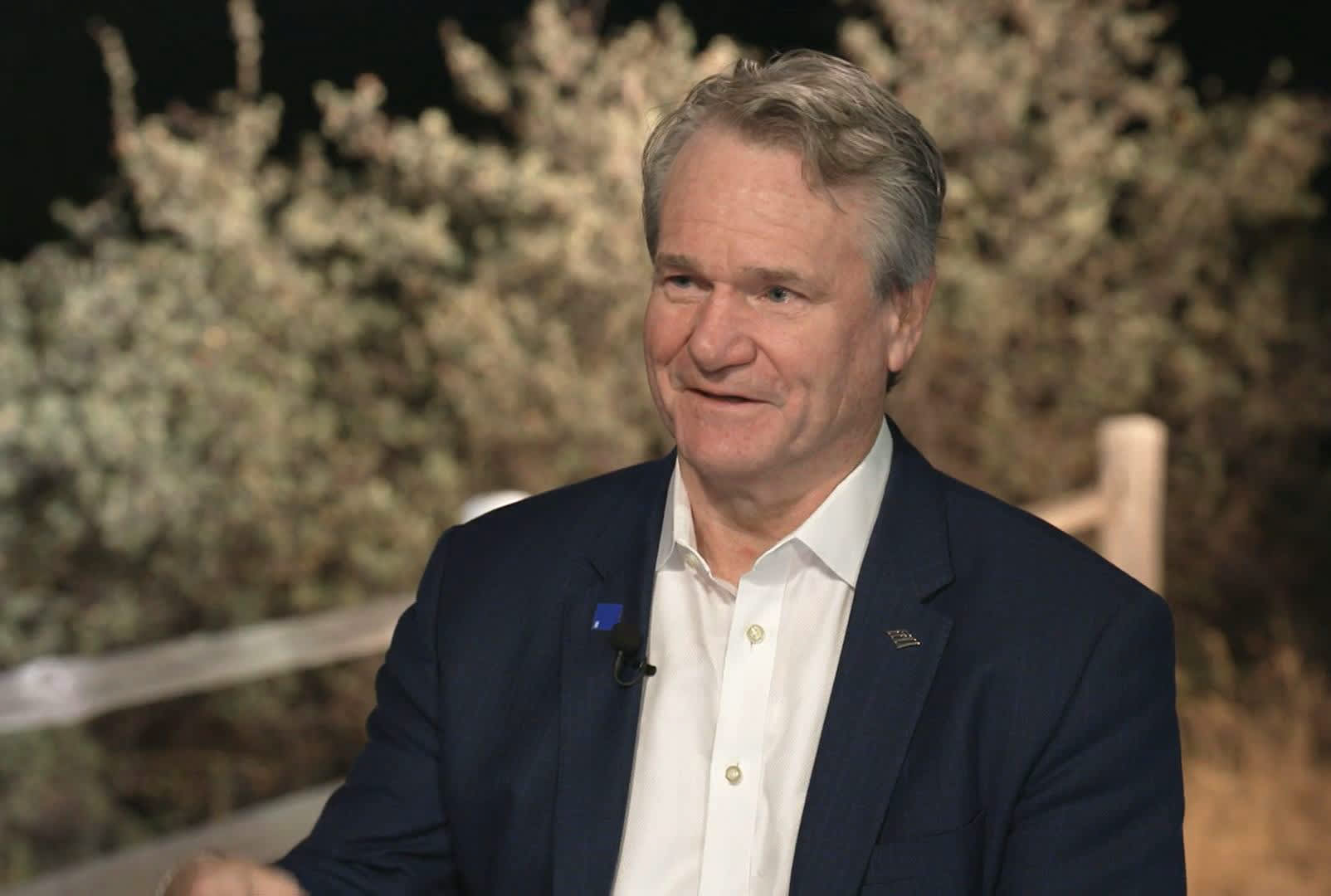
Bank of America Spends Billions to Patch AI-Exposed Flaws
Discover how Bank of America deployed 1,000 contractors to fix software vulnerabilities exposed by Anthropic's Mythos AI, marking a costly defensive shift in enterprise security.
Latest Articles
- Zelensky Announces Resumption of Strikes on Russian Oil Refineries
- SpaceX Starshield Cuts Ukraine's Starlink Speed: US-Government Pressure or Political Stunt?
- China Upgrades Asia-Africa Pavilion at CIIE to Boost Zero-Tariff Benefits
- Bank of America Q3 2026: Revenue Miss, Regulatory Penalty, and Stock Drop Analysis
- Morgan Stanley Q3 2026: AI Boom Fuels Record Equity Trading Revenue
- AI-Powered Counterterrorism: New Frontiers in the Fight Against Modern Terrorist Threats