Paramount Merger Delay Leaves WBD in Limbo: What's Next?
The delayed Paramount-WBD merger raises questions about strategy, streaming competition, and potential asset sales. Here's an in-depth analysis.
Source: CNBC
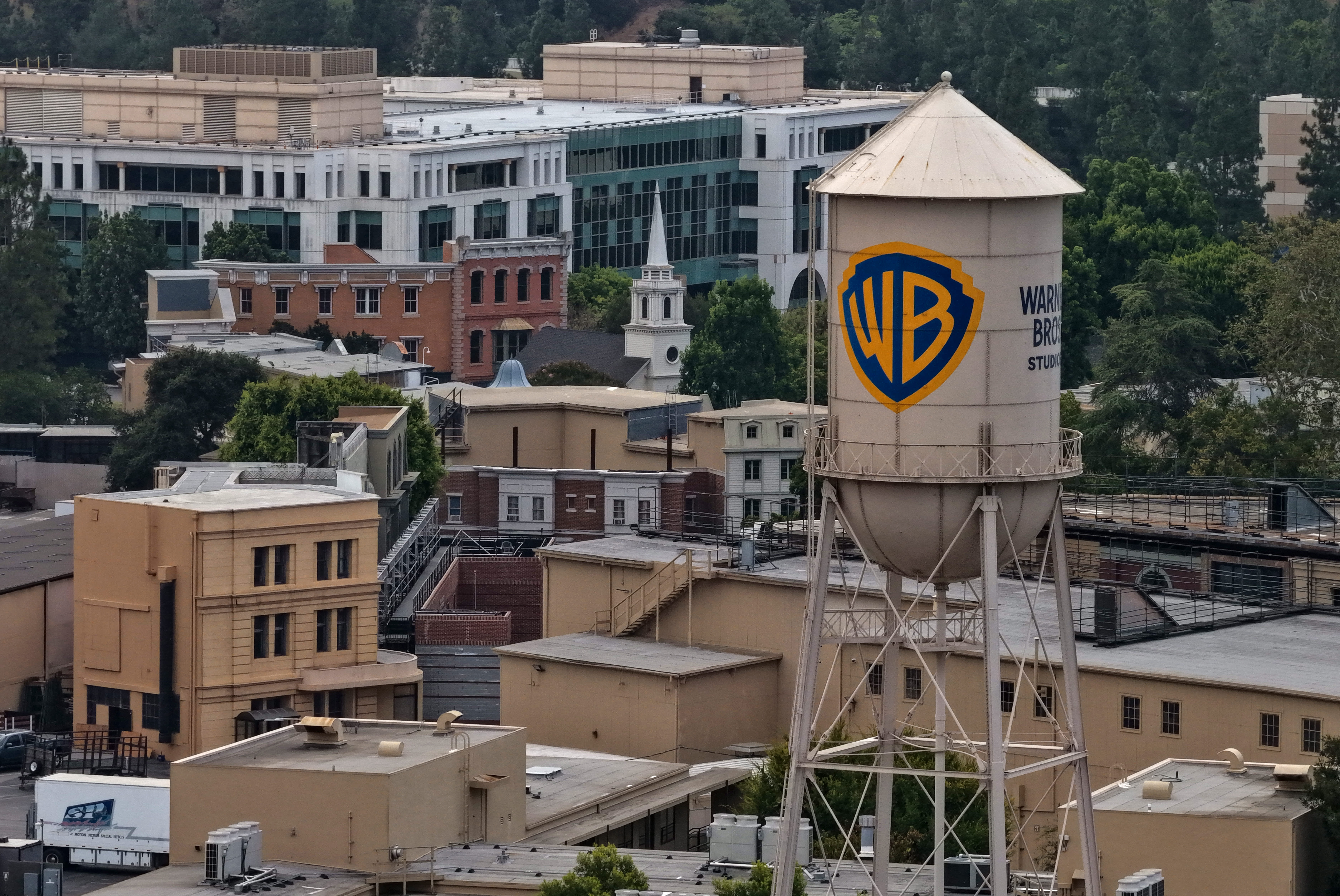
The media industry is no stranger to high-stakes drama, but the current saga between Warner Bros. Discovery (WBD) and Paramount Skydance has reached a fever pitch. What was once a fast-moving plan to merge two entertainment giants has now stalled, leaving WBD in a state of uncertainty. With antitrust challenges from California and other states, the future of the $110 billion deal hangs in the balance. This limbo isn't just a corporate headache—it has profound implications for streaming competition, content licensing, and the very structure of the entertainment landscape. As the industry watches and waits, the question on everyone's mind is: what happens next?
Key Points
-
The Merger's Stalled Progress: The proposed merger between WBD and Paramount Skydance, announced with great fanfare, has hit a regulatory wall. A group of states, led by California Attorney General Rob Bonta, filed to block the deal on antitrust grounds, and preliminary settlement talks have reportedly faltered. This has put WBD's strategic plans on hold, leaving executives in a cautious mode.
-
WBD's Strategic Pivot on Hold: Last summer, WBD announced plans to split into two public companies—Warner Bros. (streaming and film) and Discovery Global (linear TV). This restructuring was meant to streamline operations and boost agility. However, the merger process has frozen these efforts, forcing WBD to operate under interim covenants that limit major M&A activity while the deal is pending.
-
The 'Ticking Fee' and Deal Economics: Paramount has agreed to pay $31 per share for WBD, and if regulatory approval drags beyond September, a 'ticking fee' kicks in, raising the deal's value. This provides some financial incentive for both parties to see the merger through, even if it takes longer than expected. Media veteran Tom Rogers notes that WBD is unlikely to walk away without a fight, given the potential windfall.
-
Content Licensing as a Lifeline: While WBD can't engage in major M&A, it can still strike licensing deals. This has been a lucrative revenue stream, with HBO hits like 'Sex and the City' and 'Band of Brothers' licensing to Netflix, and 'Westworld' going to ad-supported platforms. CFO Gunnar Wiedenfels has touted 'very healthy demand' for WBD content, suggesting that creativity and deal-making continue despite the merger uncertainty.
-
Streaming Bundling Trends: The industry is increasingly moving toward bundling and partnerships—Peacock's embedding into YouTube Premium and HBO Max's bundle with Disney are prime examples. WBD CEO David Zaslav has long championed bundling, but with HBO Max's future uncertain, potential partners may be wary of striking new deals. This could leave WBD on the sidelines as others forge ahead.
-
Potential Asset Sales: If the merger is to proceed, Paramount may need to divest certain assets to satisfy antitrust concerns. CNBC reports that New Line Cinema, known for 'Lord of the Rings' and 'Mortal Kombat', could attract bidders. Turner channels like TNT and TBS, or lifestyle networks like HGTV, might also be on the chopping block. These sales would reshape WBD's portfolio significantly.
Streaming Scale Challenges: Both WBD and Paramount operate streaming services that are considered 'subscale' compared to giants like Disney, Amazon, Netflix, and YouTube. Analysts at MoffettNathanson argue that a combined service would have a better chance of competing. If the deal falls through, both streamers would struggle to survive long-term in a fiercely competitive market.
Growth Prospects and International Expansion: HBO Max has seen record-breaking revenue growth, largely driven by international expansion. However, that expansion has now hit its peak, and executives caution that future growth will be more modest, relying on ad-supported tiers and smaller markets. This slowdown comes at a critical time, as the merger's uncertainty could further hamper momentum.
In-Depth Analysis
The Paramount-WBD merger delay is more than a regulatory hiccup; it's a symptom of a media industry in flux. The traditional pay-TV model is collapsing, streaming is consolidating, and antitrust scrutiny is intensifying. WBD's predicament highlights the challenges of navigating this landscape while being tethered to a merger agreement that restricts strategic flexibility.
One of the most significant implications is the competitive disadvantage WBD faces. While it waits, rivals like Disney, Netflix, and Amazon are aggressively expanding their streaming ecosystems. The longer the delay, the more ground WBD and Paramount lose in the race for subscribers and content dominance. MoffettNathanson's analysis underscores this: standalone, both services are unlikely to compete effectively; together, they have a fighting chance. Yet, the merger's fate remains uncertain, and every month of delay deepens the risk.
The antitrust angle is particularly noteworthy. California's involvement signals a new era of state-led regulatory challenges, which could set a precedent for future media mergers. Bonta's demand for 'robust structural remedies' suggests that even if the deal proceeds, WBD may have to shed valuable assets. This could fundamentally alter the company's identity, turning it from a diversified media conglomerate into a leaner, more focused entity.
Looking ahead, several scenarios could unfold. If the merger closes after a prolonged delay, WBD will likely emerge with a different portfolio, having sold off New Line or some TV networks. If it falls through, WBD will need to pivot quickly, perhaps reviving its split plan or seeking new partnerships. Either way, the company faces a period of significant transformation.
The broader industry is also watching closely. The outcome of this deal will influence how other media companies approach mergers and partnerships, especially in an environment where regulators are more aggressive. It could also accelerate the trend toward bundling and consolidation, as companies seek scale to compete with tech giants.
For WBD, the path forward is fraught with challenges, but also opportunities. The company's content library remains one of the most valuable in the industry, and its streaming service has shown resilience. If the merger succeeds, it could create a formidable player. If not, WBD must find another way to thrive in a world where scale is paramount.
Frequently Asked Questions
What happens to WBD if the Paramount merger falls through?
Source: https://www.cnbc.com/2026/08/26/paramount-merger-delay-wbd-limbo.html
Related posts
Bank of America Spends Billions to Patch AI-Exposed Flaws
Discover how Bank of America deployed 1,000 contractors to fix software vulnerabilities exposed by Anthropic's Mythos AI, marking a costly defensive shift in enterprise security.
US Restrictions on Chinese Drones Backfire as Performance Gap Widens
American bans on Chinese drones are causing significant problems across multiple industries, with police departments and construction firms struggling to find affordable alternatives that match Chinese technology.
China Upgrades Asia-Africa Pavilion at CIIE to Boost Zero-Tariff Benefits
China's Ministry of Foreign Affairs announces enhanced Asia-Africa product zone at CIIE 2026 to help African nations capitalize on zero-tariff advantages.
Bank of America Q3 2026: Revenue Miss, Regulatory Penalty, and Stock Drop Analysis
Bank of America's third-quarter earnings reveal a challenging financial landscape marked by a $1.2 billion penalty and disappointing trading results. This analysis explores the implications for the bank's future and the broader market.
Morgan Stanley Q3 2026: AI Boom Fuels Record Equity Trading Revenue
Morgan Stanley beats Q3 estimates with 41% equities trading growth driven by AI and Asia. A deep dive into the bank's record-breaking performance and CEO Pick's outlook.

AI-Powered Counterterrorism: New Frontiers in the Fight Against Modern Terrorist Threats
Exploring how artificial intelligence is reshaping counterterrorism strategies worldwide, with insights from the 'Great Wall-2026' forum on emerging threats and defense innovations.
Korea's Yoon Suk Yeol Prepares for Trump Golf Meeting
Yoon Suk Yeol's team is setting up a special working group for a potential golf meeting with Donald Trump. Explore the diplomatic strategy, recent controversies, and the political significance behind this high-profile sporting event.

Climate Journalism at the Tipping Point: Finding Action in Environmental Crisis
Exploring climate reporting's critical role in environmental awareness and action amid global climate tipping points.
Latest Articles
- US Lawmaker: AI Transcends Borders, Urging US-China Cooperation
- United Airlines 2027 Status Changes: Why Earning Top Tier is Getting Harder
- US-EU Double Standards Exposed: Trump's Russia Diesel Deal Sparks Global Outcry
- Walmart Expands Employee Healthcare: Free GLP-1s, Insulin, and More
- Travelers Beware: How Scammers Impersonate Consular Staff
- Ukraine Claims Drone Attacks Reduced Russian Online Propaganda