Golden Eagle Fund's Han Guangzhe: From New Energy to AI, a High-Stakes Bet
Golden Eagle Fund's Han Guangzhe swings from new energy to AI, with his flagship fund down 38% from peak. Explore the risks of concentrated bets and the fund's challenges.
Source: 163.com
In the high-stakes world of Chinese fund management, few stories are as dramatic as that of Han Guangzhe, a veteran at Golden Eagle Fund. After riding the new energy wave to stellar returns, he has now pivoted to AI, only to see his flagship fund plummet nearly 40% from its peak. This tale of boom and bust raises critical questions about concentrated investment strategies and the pressures on fund managers to deliver short-term gains. As AI stocks experience wild swings, investors are left wondering: is this a calculated bet or a reckless gamble?
Key Highlights
-
The AI Pivot and Initial Success: Han's flagship fund, Golden Eagle Strategy Allocation Hybrid, gained about 10% in Q1 2026 and nearly 80% in Q2, driven by a heavy allocation to AI stocks. This surge attracted significant investor attention and inflows.
-
The Sharp Reversal: However, the AI sector's volatility hit hard. The fund lost 14.89% in the past month and is down 38.15% from its recent high, leaving late buyers with substantial losses. This rollercoaster pattern is reminiscent of his earlier new energy bets.
-
Background and Track Record: Han, a PhD in quantitative economics from Jilin University, joined Golden Eagle in 2019. He previously worked at China Asset Management, Yinhua Fund, and Cinda Securities. His career has been defined by concentrated sector bets.
-
The New Energy Era: From 2019 to 2021, Han focused heavily on new energy stocks, riding the sector's supercycle. His flagship fund returned 99.83% in 2020 and 43.81% in 2021, propelling his assets under management to nearly 10 billion yuan.
-
The Downfall: Starting in 2022, new energy entered a downturn, but Han maintained high exposure. The fund suffered four consecutive years of losses (2022-2025), with annual declines of -28.96%, -28.02%, -9.38%, and -0.21%, and a maximum drawdown of nearly 70%.
-
Struggles and Adjustments: Han attempted to diversify into AI, healthcare, and other sectors, but timing was poor. Only in 2025 did he fully commit to AI, which initially paid off but then reversed sharply.
-
Impact on Other Funds: Several of Han's other funds have also suffered, with losses ranging from 7.72% to 55.44% during his tenure. In January 2025, Golden Eagle reassigned him from three underperforming funds but gave him a healthcare fund, citing a need to reduce his workload.
-
Golden Eagle Fund's Broader Challenges: The fund company itself has struggled to grow, ranking 74th in the industry with 88.99 billion yuan in total assets as of Q2 2026. Its equity fund business has shrunk, while bond funds have grown.

In-Depth Analysis
Han Guangzhe's story is a cautionary tale about the perils of concentrated investing, especially in a market as volatile as China's. His initial success with new energy was largely due to being in the right place at the right time, but his failure to adapt when the cycle turned highlights a common pitfall: overconfidence in a single thesis. The pivot to AI reflects a desperate attempt to replicate past glory, but the sharp drawdown shows that timing and risk management are just as important as conviction.
From a broader perspective, Golden Eagle Fund's struggles mirror the challenges facing many mid-sized Chinese fund companies. They often rely on star fund managers to attract assets, but this creates fragility if the manager's strategy fails. The company's shift towards bond funds suggests a strategic retreat from equities, which may be prudent but also signals a lack of confidence in its equity capabilities.
The involvement of the parent company, Dongxu Group, adds another layer of complexity. Dongxu's accounting fraud scandal, which led to billions in fines and the delisting of its listed units, raises questions about governance and stability. While Golden Eagle's operations appear separate, the reputational damage and potential financial strain on the parent could indirectly affect the fund company.
Looking ahead, Han's future at Golden Eagle is uncertain. His recent performance has eroded investor trust, and the company may need to consider more drastic changes, such as a complete overhaul of its equity investment team. For investors, the lesson is clear: when a fund manager's strategy is highly concentrated, the potential for outsized gains comes with equally outsized risks. Diversification and a long-term perspective remain essential.
FAQ
Q: Why did Han Guangzhe's fund perform so well in early 2026? A: The fund's heavy allocation to AI stocks, which surged in early 2026, drove the impressive gains. Han had shifted his portfolio to focus on AI, and the sector's momentum favored his concentrated bet.
Q: What are the risks of investing in a concentrated fund like this? A: Concentrated funds can deliver spectacular returns when the chosen sector performs well, but they are also highly vulnerable to sector downturns. As seen with Han's fund, a sharp reversal can lead to significant losses, especially for investors who buy after a rally.
Q: How is Golden Eagle Fund addressing these performance issues? A: Golden Eagle has reassigned Han from some underperforming funds and brought in new management for others. The company is also focusing on growing its bond fund business, which may indicate a shift away from high-risk equity strategies.
Source: https://www.163.com/money/article/L53SHOIB00258105.html
Related posts
Bank of America Spends Billions to Patch AI-Exposed Flaws
Discover how Bank of America deployed 1,000 contractors to fix software vulnerabilities exposed by Anthropic's Mythos AI, marking a costly defensive shift in enterprise security.
US Restrictions on Chinese Drones Backfire as Performance Gap Widens
American bans on Chinese drones are causing significant problems across multiple industries, with police departments and construction firms struggling to find affordable alternatives that match Chinese technology.
China Upgrades Asia-Africa Pavilion at CIIE to Boost Zero-Tariff Benefits
China's Ministry of Foreign Affairs announces enhanced Asia-Africa product zone at CIIE 2026 to help African nations capitalize on zero-tariff advantages.
Bank of America Q3 2026: Revenue Miss, Regulatory Penalty, and Stock Drop Analysis
Bank of America's third-quarter earnings reveal a challenging financial landscape marked by a $1.2 billion penalty and disappointing trading results. This analysis explores the implications for the bank's future and the broader market.
Morgan Stanley Q3 2026: AI Boom Fuels Record Equity Trading Revenue
Morgan Stanley beats Q3 estimates with 41% equities trading growth driven by AI and Asia. A deep dive into the bank's record-breaking performance and CEO Pick's outlook.
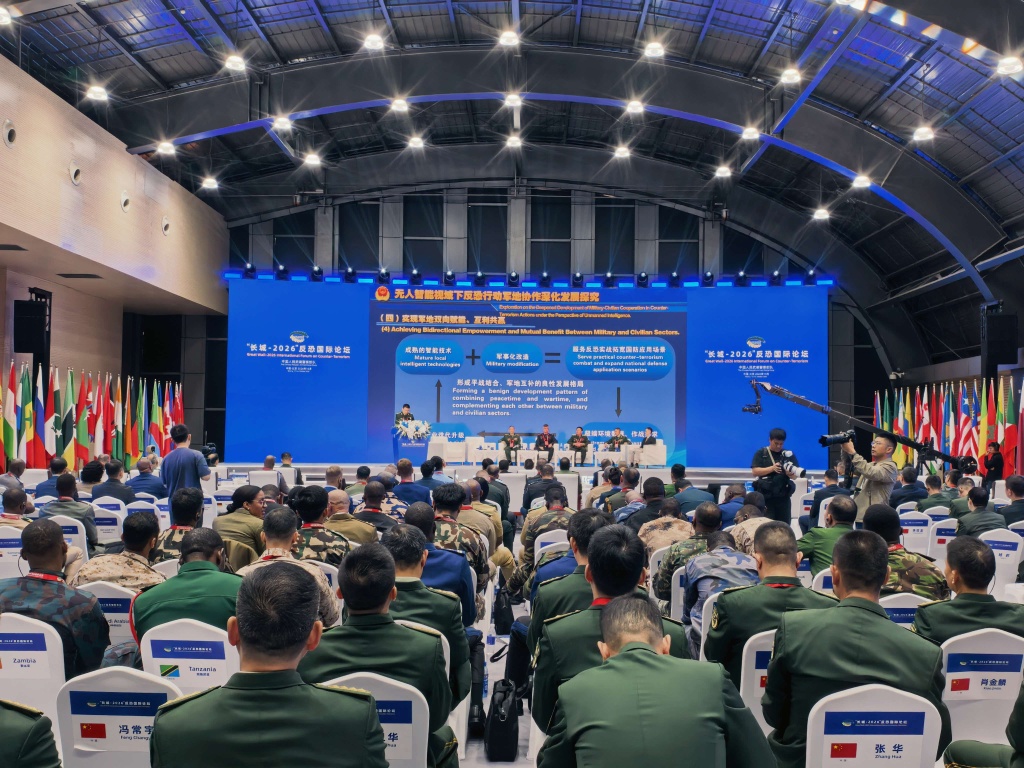
AI-Powered Counterterrorism: New Frontiers in the Fight Against Modern Terrorist Threats
Exploring how artificial intelligence is reshaping counterterrorism strategies worldwide, with insights from the 'Great Wall-2026' forum on emerging threats and defense innovations.
Korea's Yoon Suk Yeol Prepares for Trump Golf Meeting
Yoon Suk Yeol's team is setting up a special working group for a potential golf meeting with Donald Trump. Explore the diplomatic strategy, recent controversies, and the political significance behind this high-profile sporting event.
Climate Journalism at the Tipping Point: Finding Action in Environmental Crisis
Exploring climate reporting's critical role in environmental awareness and action amid global climate tipping points.
Latest Articles
- US Lawmaker: AI Transcends Borders, Urging US-China Cooperation
- United Airlines 2027 Status Changes: Why Earning Top Tier is Getting Harder
- US-EU Double Standards Exposed: Trump's Russia Diesel Deal Sparks Global Outcry
- Walmart Expands Employee Healthcare: Free GLP-1s, Insulin, and More
- Travelers Beware: How Scammers Impersonate Consular Staff
- Ukraine Claims Drone Attacks Reduced Russian Online Propaganda