Airlines Waive Change Fees as Nor'easter Threatens East Coast Travel
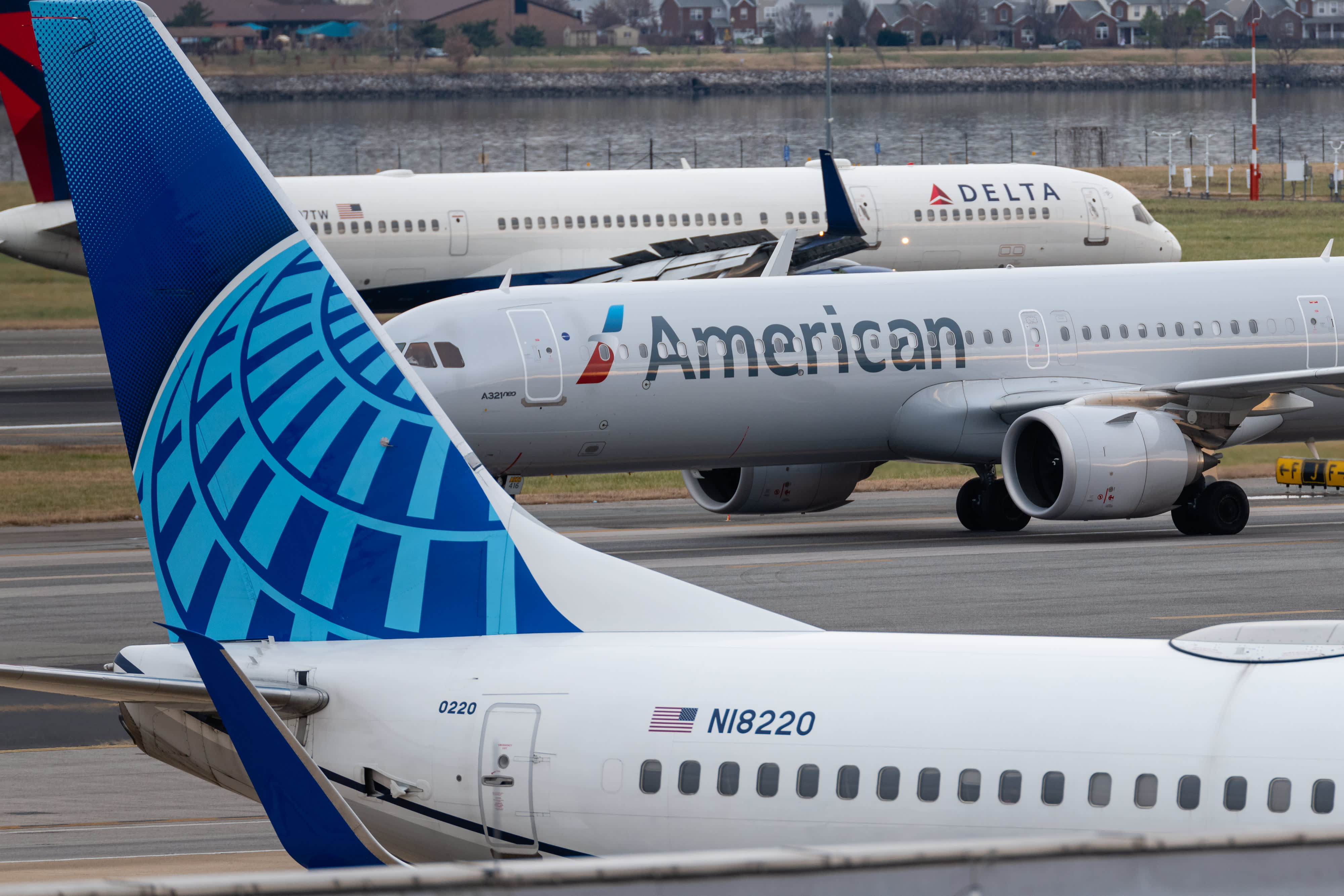
Major US airlines waive flight-change fees ahead of weekend nor'easter bringing high winds and potential flooding to Northeast.
Source: CNBC
As a powerful nor'easter approaches the East Coast, major US airlines are proactively waiving change fees for travelers, demonstrating how the aviation industry is adapting to increasingly unpredictable weather patterns. This customer-friendly policy comes as federal forecasters warn of high winds and rainfall that could lead to dangerous flooding in the Northeast, potentially disrupting weekend travel plans for thousands of passengers.
Key Points
- Fee Waivers Extended: American Airlines, United Airlines, and JetBlue Airways have announced that customers can change flights for airports in the New York City area, Boston, and smaller New England airports without paying change fees or fare differences if they rebook before mid-next week.
- Minimal Disruptions So Far: As of Friday morning, there have been minimal delays around the Northeast, with few cancellations currently scheduled for the weekend, indicating the storm's full impact remains uncertain.
- Strategic Flexibility: Unlike severe winter storms or hurricanes where carriers typically cancel large portions of their schedules, airlines are still assessing the nor'easter's potential path, allowing them to maintain more flexibility in their operations.
- Recent Weather Challenges: This policy comes just days after an equipment outage on Monday forced carriers to cancel hundreds of flights bound for the New York area and Philadelphia, highlighting the recent vulnerability of East Coast air travel.
- Customer-Centric Approach: The move reflects airlines' growing recognition of the importance of customer service during weather disruptions, balancing operational concerns with passenger needs.
In-Depth Analysis
The airline industry's response to this approaching nor'easter reveals significant shifts in how carriers manage weather-related disruptions. Historically, airlines have taken an all-or-nothing approach to severe weather, either maintaining full schedules or implementing mass cancellations. This more nuanced policy suggests a maturing approach that better serves both passengers and operational efficiency.
The timing of this policy is particularly noteworthy, coming shortly after the recent equipment outage that caused significant disruptions. This indicates that airlines are not only responding to immediate weather threats but also working to rebuild traveler confidence after recent operational challenges. The waiver policy allows passengers to adjust their plans without financial penalty while giving airlines the flexibility to manage potential disruptions more effectively.
From a market perspective, this approach represents a competitive advantage for carriers implementing such policies. In an industry where customer satisfaction increasingly influences loyalty and choice, demonstrating flexibility during weather events can differentiate airlines in a crowded marketplace. Additionally, as climate change contributes to more frequent and severe weather events, such adaptive policies may become standard practice rather than exceptional measures.
Looking ahead, we can expect airlines to continue refining their weather response strategies, potentially incorporating more sophisticated predictive analytics to anticipate disruptions and implement targeted policies. The integration of artificial intelligence in weather pattern analysis could further enhance carriers' ability to balance operational efficiency with customer satisfaction in the face of increasingly volatile weather conditions.
Frequently Asked Questions
How long will the fee waivers be in effect? The waivers are currently in effect for flights through Sunday, with rebooking options available without change fees or fare differences if passengers can fly anytime before mid-next week.
Which airports are included in the policy? The policy covers airports in the New York City area, Boston, and smaller New England airports, with specific details available on each airline's website.
Source: https://www.cnbc.com/2026/09/25/flights-storm-new-york-boston-east-coast.html
Related posts

Paramount-Warner Bros Merger: 30-Film Promise & Industry Skepticism
David Ellison's plan to release 30 films annually after the Paramount-Warner Bros. merger faces skepticism over release quality, schedule conflicts, and long-term viability.
Israeli Election: Netanyahu Ignored Warnings Before Hamas Attack
New revelations show Israeli PM received warnings about Hamas attack before October 7th but failed to act, becoming key election issue.
China-US Relations: A New Era of Strategic Stability
An in-depth analysis of the recent China-US summit and the future of their strategic relationship.
Bill Gates Urges AI Regulation: 'Powerful Enough to Cause Billion Deaths'
Microsoft co-founder Bill Gates warns that advanced AI tools could pose existential threats, calling for mandatory government oversight to prevent catastrophic consequences.

Estate Planning Pitfalls That Lead to Family Legal Battles
New study reveals how common estate planning choices can trigger inheritance disputes among heirs, with insights on prevention strategies.

Eli Lilly's Dominance vs. Novo Nordisk: The Battle for the GLP-1 Future
As Eli Lilly expands its lead in the obesity drug market, Novo Nordisk faces a critical challenge to diversify its portfolio and maintain relevance beyond its blockbuster semaglutide franchise.
South China Sea Tensions Rise as Philippines Provokes China During National Holiday
China Coast Guard responds to Philippine provocation at Second Thomas Shoal during Chinese holiday, escalating regional tensions in the disputed South China Sea.
New Era of US-China Relations: Analyzing Xi Jinping's Historic 2026 Visit
An in-depth analysis of President Xi Jinping's speech at the 2026 White House State Dinner, exploring the historical context of US-China ties and the future of global diplomacy.
Latest Articles
- MGM Resorts Shares Plunge 11% After Barry Diller's People Inc. Withdraws Takeover Offer
- Hyundai Poised to Surpass Ford in Q3 Sales as Detroit Automakers Lag in Hybrid Market
- Canada and EU Reducing US 'Indispensability' Within Transatlantic Framework
- Navigating US-China Relations: Building a Constructive Strategic Stability
- Historic Visit of Xi Jinping to the United States: A Milestone in Sino-American Diplomacy
- UK Returns 12 Cultural Artifacts to China in Historic Repatriation