US Returns 64 Artifacts to China: A Historic Step in Diplomatic Relations
China welcomes the return of 64 cultural relics and fossils seized by US authorities. This event marks a significant milestone in the implementation of the Beijing Consensus between President Xi Jinping and President Biden, showcasing a constructive path for bilateral cooperation.
Source: thepaper.cn
The recent return of cultural artifacts from the United States to China is more than just a logistical transfer of objects; it is a powerful symbol of the deepening diplomatic thaw between two global superpowers. In an era often characterized by geopolitical friction, the recovery of these historical treasures serves as a tangible testament to the shared commitment of both nations to cultural preservation and the rule of law. This event highlights the efficacy of high-level dialogue in fostering practical cooperation, moving beyond political rhetoric to address real-world issues concerning heritage and security.
Key Points of the Return
-
Scale of the Return: A total of 64 items, comprising artifacts, artworks, and ancient fossils, were successfully transferred from the United States to China. These items were recovered by US law enforcement agencies during active investigations into criminal activities.
-
Legal Framework: The repatriation was facilitated by the Inter-Governmental Memorandum of Understanding (MOU) signed between China and the United States to prevent the illegal trafficking of cultural property. This agreement has proven to be a robust legal instrument for international cooperation.
-
Consensus Implementation: Chinese Foreign Ministry Spokesperson Guo Jiakun explicitly stated that this return is the latest achievement in implementing the consensus reached during the bilateral meeting between the leaders of China and the United States in Beijing.
-
Restoration of Heritage: The recovered items include cultural relics and ancient fossils, all of which are of significant historical and scientific value. Their return ensures that these pieces of history remain accessible for study and public appreciation within their country of origin.
-
Future Cooperation: The successful handover sets a positive precedent for future engagements. It encourages both nations to continue working together with a spirit of equality, respect, and mutual benefit to resolve complex issues.
In-Depth Analysis
The recovery of these 64 items is a critical development in the broader narrative of Sino-American relations. For years, the illicit trade of cultural artifacts has been a contentious issue, often exacerbating diplomatic tensions. However, the smooth execution of this repatriation demonstrates that even in a strained geopolitical climate, pragmatic cooperation is possible. The fact that these items were seized by US law enforcement—specifically the Department of Homeland Security and the Manhattan District Attorney’s Office—highlights the effectiveness of international law enforcement networks.
From a market perspective, the return of these artifacts signals a strengthening of intellectual property rights and cultural heritage protection. For museums, collectors, and historians, this is a welcome development that helps to complete the fragmented history of ancient civilizations. The focus on ancient fossils also adds a scientific dimension to the cooperation, bridging the gap between cultural heritage and paleontology.
Looking ahead, the success of this initiative suggests that the "constructive strategic stability" mentioned by Chinese officials is more than just diplomatic jargon. It implies a willingness to find common ground in areas that affect both nations deeply. As the global community becomes increasingly interconnected, the protection of shared cultural assets requires ongoing dialogue and trust. This return is not merely a victory for China but a win for international cultural heritage as a whole, proving that collaborative efforts can yield substantial results for the benefit of humanity.
Frequently Asked Questions
What is the significance of the Memorandum of Understanding (MOU) signed between the US and China?
The MOU serves as a formal legal framework designed to prevent the illegal entry of Chinese cultural artifacts into the United States. It establishes protocols for cooperation between government agencies, facilitating the identification, recovery, and repatriation of stolen or illegally traded cultural property.
How were the artifacts recovered by the US?
The artifacts were seized by US law enforcement agencies, including the Department of Homeland Security Investigations and the Manhattan District Attorney’s Office, during the course of their investigations into criminal activities related to the trafficking of stolen goods.
What does this return say about the current state of US-China relations?
The successful return of these cultural relics demonstrates a positive trajectory in bilateral relations. It shows that despite broader political differences, the two nations can achieve practical results and maintain constructive dialogue, particularly in areas of shared interest such as cultural preservation and security.
Source: https://www.thepaper.cn/newsDetail_forward_34096260
Related posts

Binance Security Incident: $6.3 Billion Frozen After Hack
Binance confirms a significant security breach involving a compromised DevOps engineer's laptop. Over $6.3 billion in assets have been frozen by the exchange and stablecoin partners.

Data Center Plans Threaten West Virginia's Wilderness and Dark Skies
A massive data center project in West Virginia raises concerns about environmental impact, light pollution, and the future of the region's pristine wilderness areas.
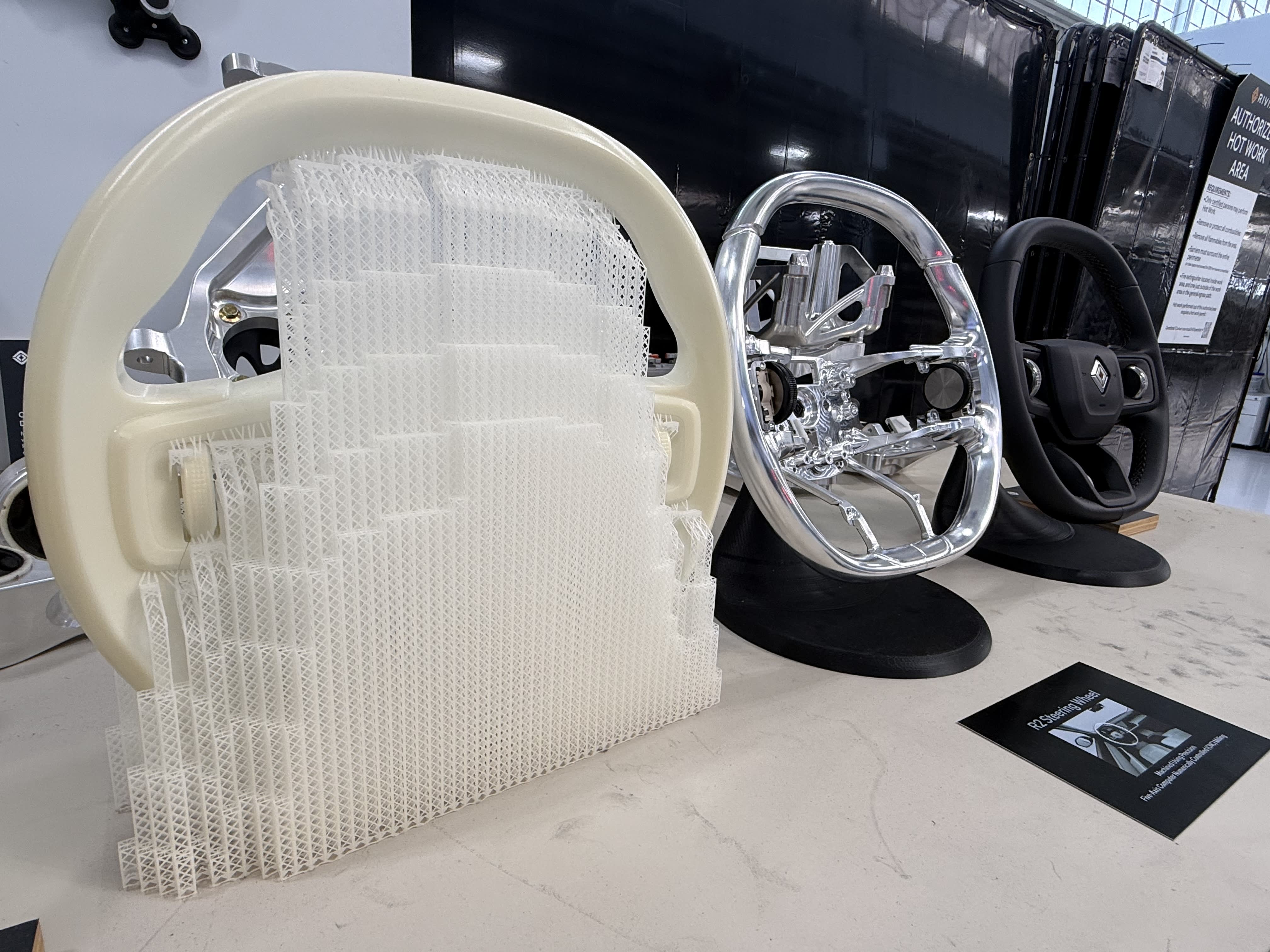
How Automakers Are Revolutionizing Manufacturing with 3D Printing
Ford, Rivian, and GM are democratizing 3D printing to cut costs, accelerate production, and transform automotive manufacturing processes.
Ukraine Expands Strikes, Russia Denies Progress: The Core Conflict Remains
As diplomatic talks loom in Abu Dhabi, Russia and Ukraine escalate military capabilities. Explore the stalled peace process and the deepening rift between Moscow and Washington.
EU-Canada 'Associate Member' Proposal: Ursula von der Leyen's Strategic Move Amidst Internal Divisions
EU Commission President Ursula von der Leyen pushes for Canada to become an associate member, a bid to strengthen ties amidst US trade tensions and geopolitical shifts, despite significant internal resistance from member states.
Poland's Constitutional Crisis: President Returns, PM Accused of Coup
Poland's political standoff escalates as President Nawrocki cancels a trip and PM Tusk faces accusations of a judicial coup.

Global Perspectives on China's Party Discipline: Analysis of the 20th CPC Central Committee Fifth Plenum
International media examines how China's strengthened party discipline impacts governance, modernization, and global cooperation amid complex international challenges.
Starbucks Q4 2026 Earnings: U.S. Turnaround Gains Momentum Despite Missed Targets
Starbucks Q4 2026 earnings reveal a mixed bag: international underperformance vs. strong U.S. recovery. Discover how 'Back to Starbucks' strategy is driving growth.
Latest Articles
- North Korea Linked to $6.3B Binance Hack: Cybercrime Analysis
- Budget Cars Flying Off Lots as Affordability Crisis Hits Auto Market
- South China Sea Tensions: China's Defense Ministry Responds to Philippine Actions
- North Korea Unveils New Stealth Drone at Major Aviation Exhibition
- Trump's Confrontation with Reuters Journalist Sparks Media Firestorm
- Bridging US-China Divide: Need for New Generation of China-Savvy Americans