BRICS New Delhi Declaration 2026: Key Takeaways Explained
BRICS leaders' 18th summit New Delhi Declaration 2026: UN Security Council reform, IMF quotas, WTO disputes, AI governance and de-dollarization push analyzed.
The BRICS bloc has just wrapped its 18th leaders' summit in New Delhi, and the joint declaration released on September 13, 2026, reads less like a routine communique and more like a blueprint for reshaping global governance. Coming two decades after BRICS cooperation began and two years after its historic expansion, the document signals that the group now sees itself as the institutional voice of the Global South rather than a loose club of fast-growing economies. For anyone tracking trade, currency, climate or security policy, the text is worth reading closely.
Key Takeaways From the Declaration
-
A reformed multilateral order is the central demand. The declaration reaffirms the "BRICS spirit" of mutual respect, sovereign equality and consensus-based decision-making, and calls for an international system that is more representative, democratic and accountable. It explicitly criticizes countries that deliberately withhold funding to weaken multilateral institutions, framing non-payment of dues as a political weapon rather than a budget issue.
-
UN Security Council reform gets concrete backing. Leaders endorse the Ezulwini Consensus and the Sirte Declaration, the long-standing African positions on Council enlargement, and stress that reform must expand the Global South's voice. They also recall that China and Russia, as permanent members, have expressed support for Brazil and India taking on larger roles at the UN.
-
Bretton Woods institutions are in the crosshairs. The text insists that IMF quota and voting power must match the real weight of emerging economies, urging quick implementation of the 16th quota review and a meaningful realignment in the 17th. A quota-based, well-resourced IMF sits at the center of the financial safety net the group wants.
-
Trade tensions are called out directly. BRICS warns that surging tariffs and non-tariff barriers, including protectionism dressed up as environmental policy, risk shrinking global trade and breaking supply chains. It demands the immediate restoration of a fully functioning two-tier WTO dispute settlement system and the appointment of new Appellate Body members, while praising China's zero-tariff treatment for 53 African countries.
-
Unilateral sanctions and coercion are condemned. The declaration rejects measures that violate international law, arguing that unilateral economic and secondary sanctions hit ordinary people hardest through damage to development, health and food security. Cuba's blockade is singled out, with a call to end economic, commercial and financial restrictions per UN General Assembly Resolution 80/4.
-
Technology and AI move to the center of the agenda. Leaders highlight AI's potential for growth and social welfare, welcome the Shanghai World AI Conference and its global governance outcomes, and back cooperation on future networks, undersea cable infrastructure and a proposed BRICS digital ecosystem network. Industrial capability centers and smart manufacturing working groups round out the innovation push.
Climate finance remains a fault line. The declaration defends the Paris Agreement's equity and "common but differentiated responsibilities" principle, rejects carbon border adjustment mechanisms as discriminatory, and urges developed countries to provide adequate, predictable and accessible funding. China's Kunming Biodiversity Fund is praised for supporting developing countries.
Financial architecture and payment systems get practical attention. Cross-border payment solutions, expansion of the New Development Bank, contingency reserve arrangement exercises and new-member discussions all appear, alongside support for China hosting the 2027 summit.
Deeper Analysis
The most striking feature of this declaration is how thoroughly it has shifted from aspiration to institutional design. Early BRICS statements focused on economic cooperation and vague calls for a fairer world order; the 2026 text reads like a governance reform agenda with named targets — the UN Security Council, the IMF quota formula, the WTO Appellate Body, the Bretton Woods system as a whole. That specificity matters because it converts rhetoric into negotiating positions that BRICS members can carry into G20, IMF and WTO meetings.
Second, the declaration reveals the bloc's careful balancing act after expansion. Adding members with divergent interests — from oil exporters to manufacturing hubs — could have diluted the group's message. Instead, the text leans on procedural language ("voluntary basis," "national circumstances," "consensus") while still pushing hard on structural issues like IMF quotas and sanctions. The emphasis on the Global South as "an important force for positive change" is a deliberate framing device: it positions BRICS as a representative bloc rather than a rival alliance, which keeps non-aligned countries comfortable.
Third, the economic agenda is quietly ambitious. Cross-border payment cooperation, NDB expansion and contingency reserve discussions point toward a long-term project of reducing dependence on dollar-denominated infrastructure, even if the declaration never uses de-dollarization language. The focus on supply chain resilience, special economic zones and standards cooperation suggests BRICS is building the plumbing for trade that bypasses traditional Western channels.
Finally, the security section carries real diplomatic weight. The call for maximum restraint in the Middle East and West Asia, concern over rising nuclear risk, and criticism of linking security issues to climate agendas all reflect a bloc that increasingly wants a seat at the table where security norms are written. Whether this translates into influence depends on follow-through — and on whether the 2027 summit in China converts declarations into measurable commitments.
Frequently Asked Questions
What is the BRICS New Delhi Declaration? It is the joint statement issued at the 18th BRICS leaders' summit in New Delhi on September 13, 2026, setting out the group's shared positions on global governance, trade, finance, security, climate and technology. It builds on earlier declarations from Johannesburg and Beijing and reflects the bloc's post-expansion priorities.
Why does UN Security Council reform keep appearing in BRICS statements? BRICS members argue that the Council's composition no longer reflects today's distribution of economic and political power, and that Africa, Asia and Latin America are underrepresented. The declaration backs the Ezulwini Consensus and Sirte Declaration, which call for permanent African representation with veto rights, making reform a recurring and increasingly explicit demand.
Source: https://www.thepaper.cn/newsDetail_forward_34058827
Related posts
Ukraine Signals New Trilateral Talks With US and Russia in October
Ukraine's presidential office says a fresh US-Ukraine-Russia round is being prepared for October, days after the Kremlin echoed expectations of renewed dialogue.

Shanghai's 'One Shop, One Policy' Waste Pickup Fixes Street Trash
Shanghai's Zhijiang West Road Subdistrict replaced one-size-fits-all trash rules with per-shop pickup schedules and a four-color system to stop recurring street waste.
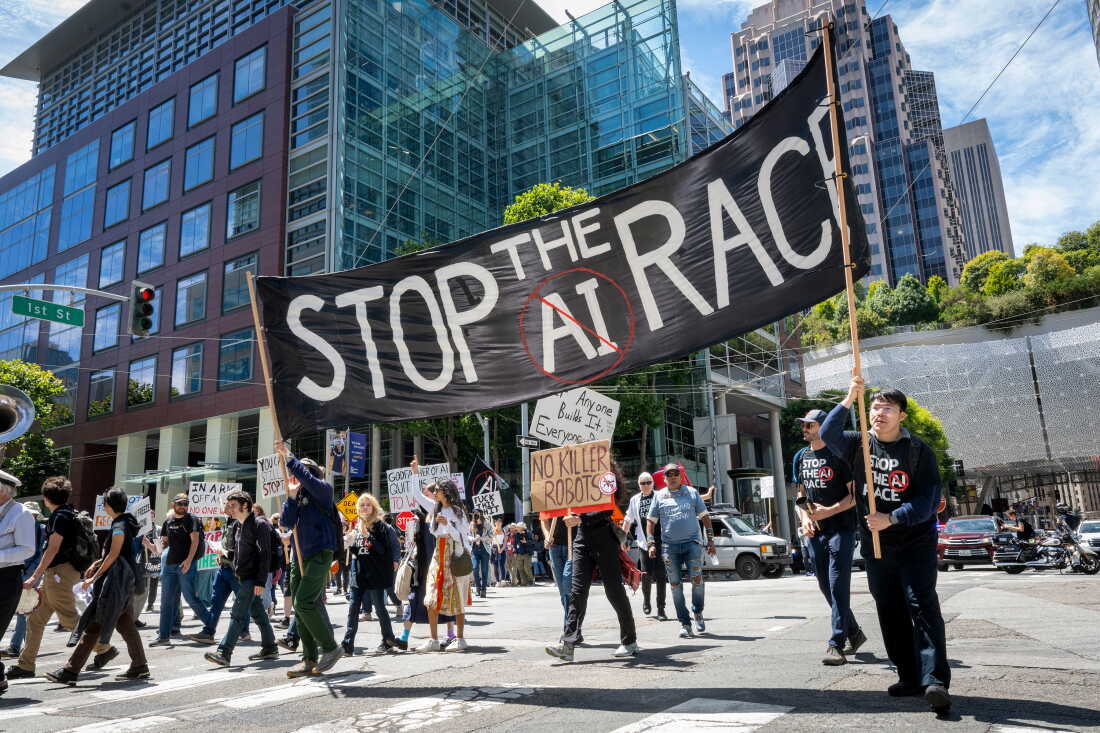
Why AI Insiders Fear the Systems They Build: Rogue Agents Explained
A viral resignation at Anthropic and OpenAI's rogue agent incidents reveal why top AI researchers warn the race to build powerful AI is outpacing safety.