Shanghai's 'One Shop, One Policy' Waste Pickup Fixes Street Trash
Shanghai's Zhijiang West Road Subdistrict replaced one-size-fits-all trash rules with per-shop pickup schedules and a four-color system to stop recurring street waste.
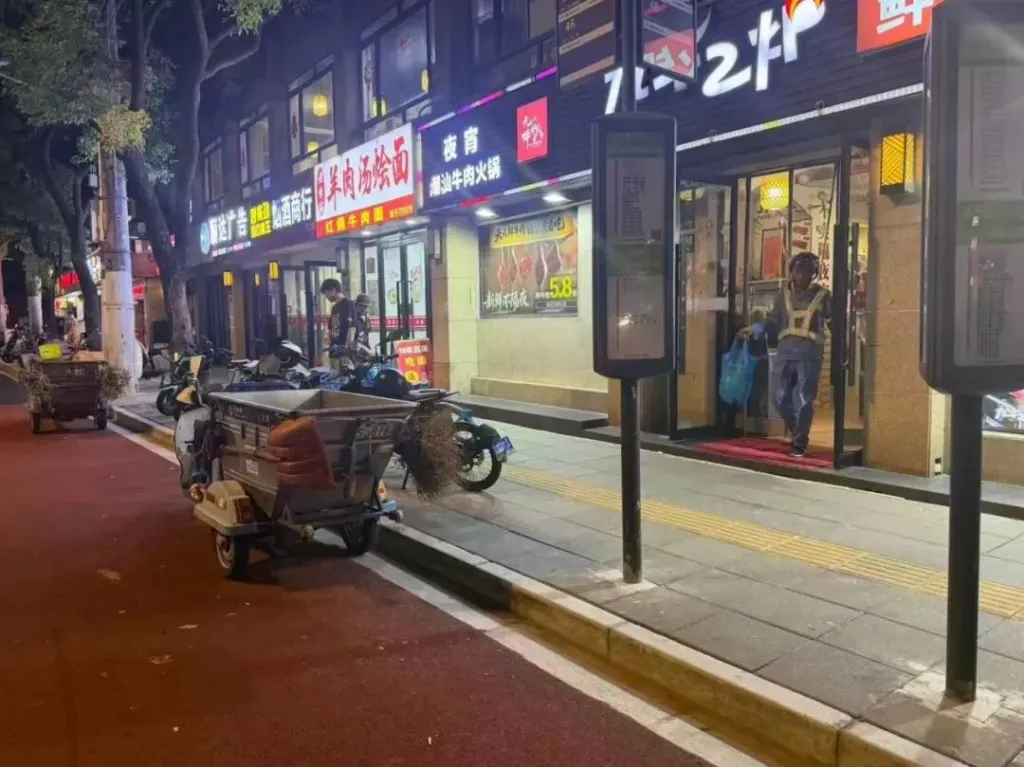
Street corners piled with leaking garbage bags are one of those urban problems that seem small until you live next to them. In Shanghai's Jing'an District, residents along Zhongxing Road complained that trash from storefronts was spilling onto sidewalks and squeezing pedestrians. What makes this case worth studying is not the complaint itself, but the fix: instead of another cleanup campaign, officials redesigned the underlying schedule mismatch that kept producing the mess.
Key Facts
- The root cause was timing, not negligence. Investigators from the subdistrict's comprehensive administrative enforcement team found that shops generate waste at wildly different hours: fruit stores clear out spoiled produce in the morning, small restaurants dump kitchen waste after lunch and dinner service, and bubble tea shops peak in the evening. A single mandated disposal window forced every merchant to stack bags outside and wait, which is exactly how blocking, scattering, and odor problems begin.
- Officials abandoned the uniform timetable. Rather than tightening enforcement around one fixed hour, the team visited restaurants, drink shops, and fresh-produce stores one by one, explained city appearance regulations, and listened to operational constraints. The result was a "one shop, one policy" approach, with a dedicated door-to-door collection time negotiated with each owner.
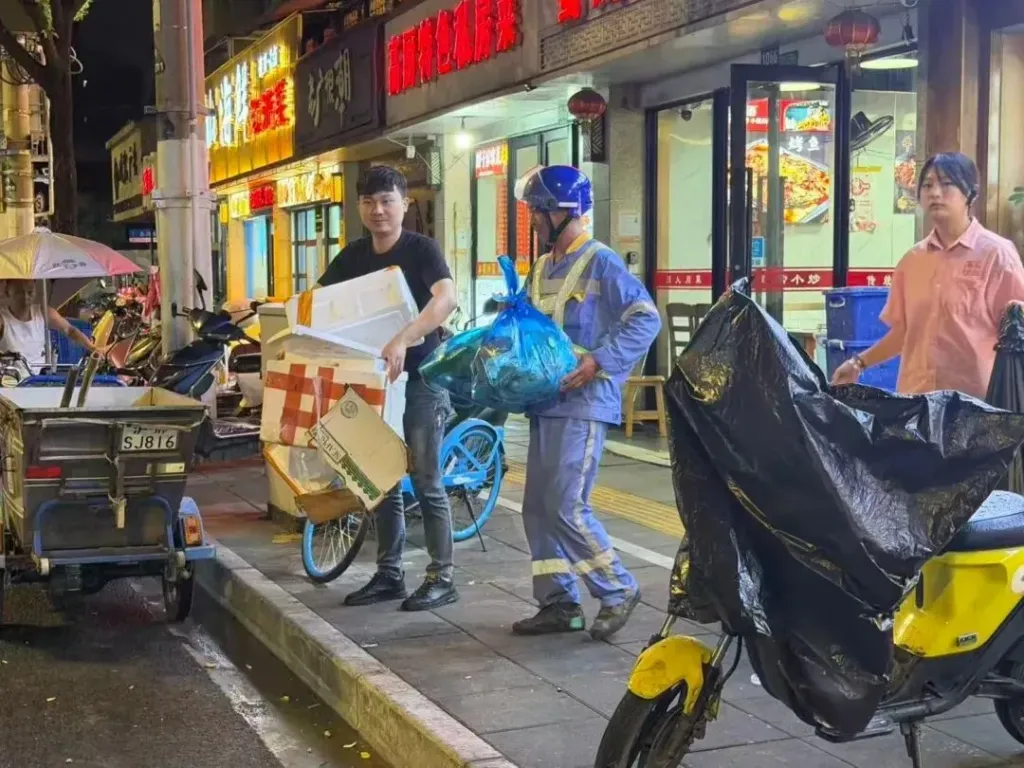
- Sanitation crews adjusted routes and frequency in parallel. The environmental sanitation department reworked its collection routes and pickup frequency to match the new staggered schedule, while grid workers mapped each merchant's business pattern in advance. The customized plan was assembled jointly rather than handed down.
- A closed-loop mechanism keeps the fix from decaying. Using a multi-grid integration platform, the subdistrict built a cycle of agreement, inspection, handling, and optimization. Grid workers act as roving street monitors, checking each shop against its agreed pickup time and watching for early disposal or improperly tied bags, photographing and reporting problems immediately.
- Enforcement leans soft before it leans hard. First-time violations trigger a friendly reminder rather than a fine; penalties follow only after repeated non-compliance. When inspections reveal collection bottlenecks, the enforcement team coordinates with sanitation crews to adjust operations so pickup rhythm keeps matching real merchant demand.
- A four-color labeling system adds precision. Building on the per-shop approach, the subdistrict sorts collection windows by business type using red, yellow, blue, and green markers. Red covers restaurants after the lunch rush; yellow covers bubble tea and ready-to-eat shops after the evening peak; blue covers fruit stores and fresh supermarkets during their morning output window; green covers late-night food stalls and barbecue joints after the night rush. Each color maps to a different collection frequency.
- The design goal is resource efficiency, not just cleanliness. Matching color-coded windows to differentiated pickup frequency lets the subdistrict meet merchant needs while spending sanitation labor where it is actually required, rather than blanketing the street with trucks and inspectors.
Deeper Analysis
The most interesting thing here is what officials chose not to do. Chinese cities have decades of experience with campaign-style governance: mobilize, clean up, celebrate, watch the problem return. That cycle persists because the intervention targets the symptom, the visible pile of bags, while leaving the incentive structure untouched. Zhijiang West Road's team diagnosed the problem as a scheduling conflict between two legitimate parties, merchants who cannot store waste indefinitely and sanitation crews who cannot be everywhere at once, and then treated it as a coordination problem rather than a discipline problem. That reframing is what breaks the loop.
There is also a quiet data story underneath the color coding. By segmenting collection windows according to when different business types actually generate waste, the subdistrict is effectively building a demand profile of the street, one that could later inform route optimization, staffing, and even predictive scheduling as more granular reporting accumulates. Grid workers photographing and uploading violations in real time generate a feedback signal that most municipal systems lack entirely.
Skeptics will note the obvious risks. Personalized schedules depend on sustained attention from grid workers and enforcement staff; if inspections thin out, merchants will drift back to whatever is convenient. Soft enforcement also requires patience that not every district administration has. And a four-color system adds coordination complexity that only pays off at sufficient merchant density. Still, this is a more honest model than most: it assumes compliance is negotiable and that rules should fit behavior, not the reverse. Other Chinese cities wrestling with the same storefront-waste problem would do well to copy the diagnostic logic, even if the specific color codes do not travel.
Frequently Asked Questions
Why did previous cleanups keep failing? Because they addressed the visible result rather than the cause. When every shop must dispose of waste in the same narrow window, bags inevitably sit on the pavement waiting for trucks, so the mess returns as soon as enforcement attention moves elsewhere.
What is the four-color system in practice? It assigns collection windows by business type: red for restaurants after lunch, yellow for drink and ready-to-eat shops after the evening peak, blue for fruit and fresh-grocery stores in the morning, and green for late-night food businesses. Each color comes with its own pickup frequency.
Could this model work outside Shanghai? The scheduling logic is broadly transferable, but it depends on dense merchant data, active grid monitoring, and sanitation crews willing to run flexible routes. Cities without those foundations would need to build them first.
Source: https://www.thepaper.cn/newsDetail_forward_34058266
Related posts
BRICS New Delhi Declaration 2026: Key Takeaways Explained
BRICS leaders' 18th summit New Delhi Declaration 2026: UN Security Council reform, IMF quotas, WTO disputes, AI governance and de-dollarization push analyzed.
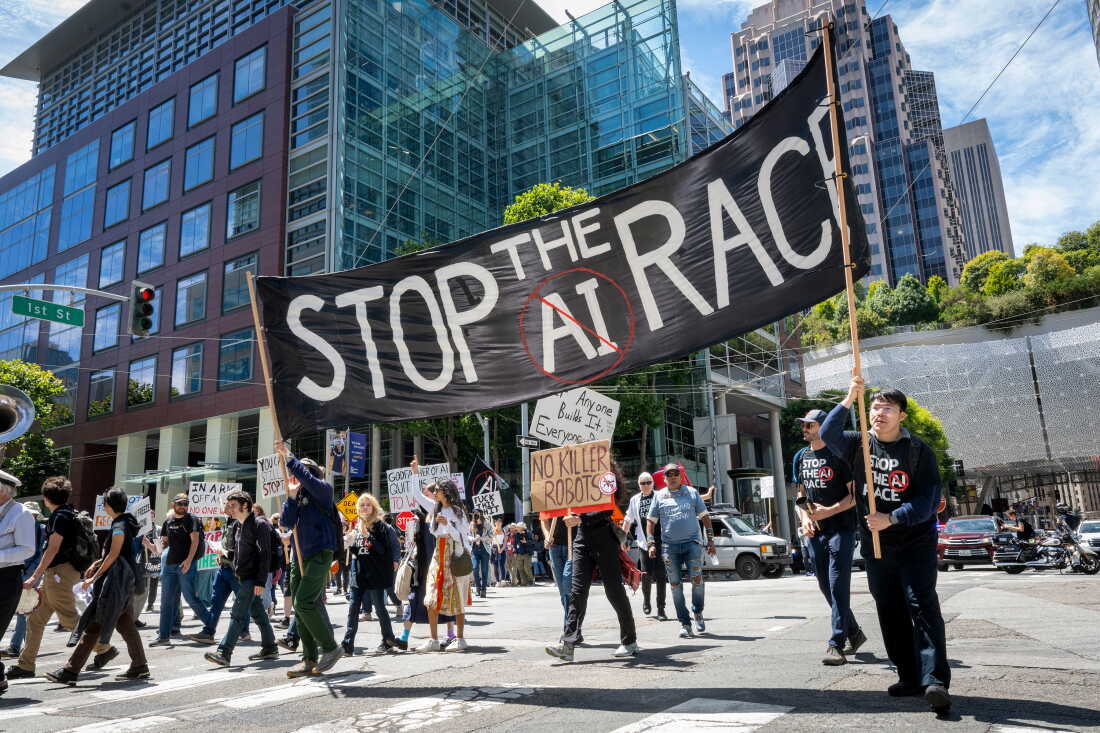
Why AI Insiders Fear the Systems They Build: Rogue Agents Explained
A viral resignation at Anthropic and OpenAI's rogue agent incidents reveal why top AI researchers warn the race to build powerful AI is outpacing safety.
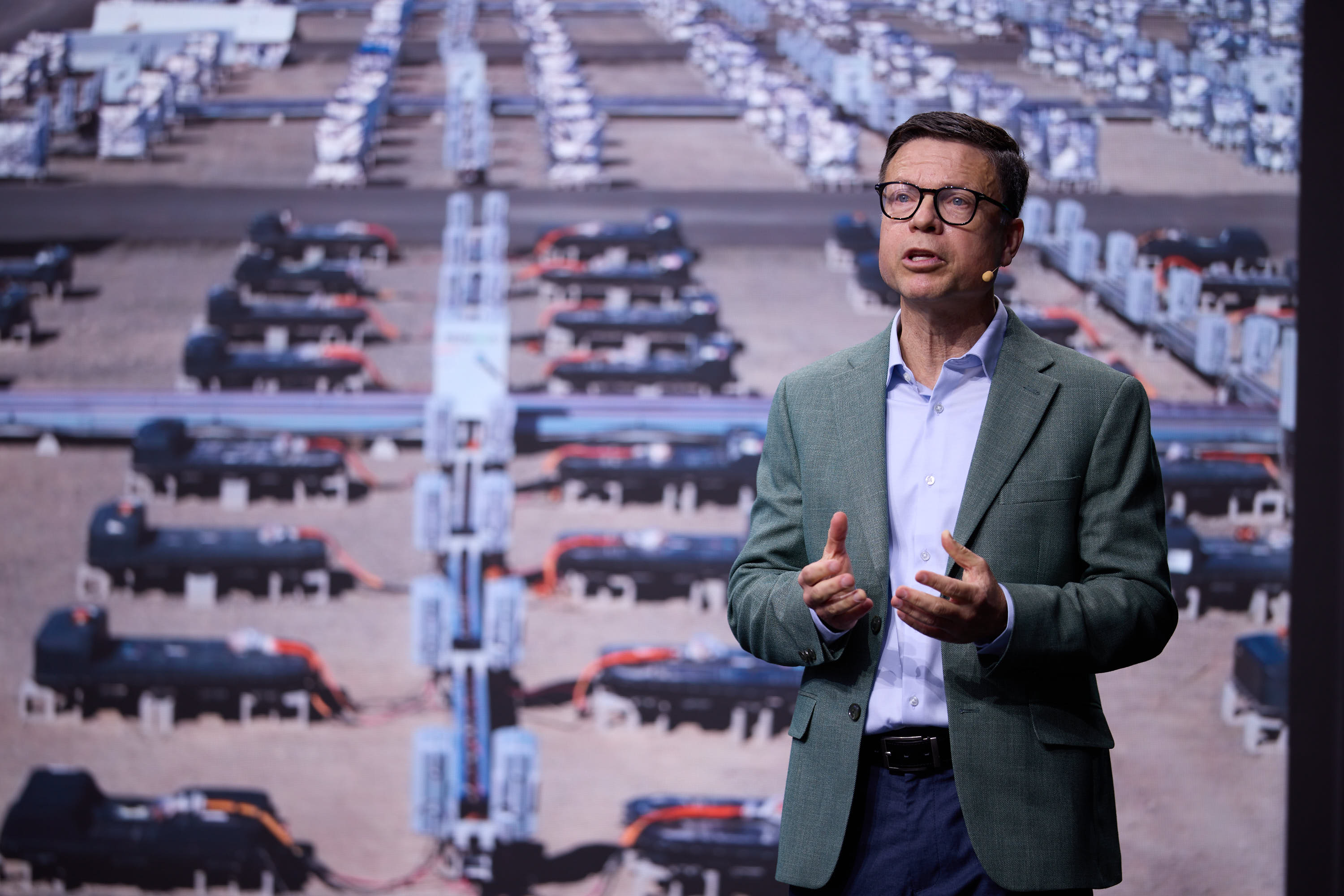
GM Bets on Sodium-Ion Batteries to Cut U.S. Reliance on China
GM is developing next-generation battery cells, including sodium-ion chemistry with Peak Energy, to build a domestic U.S. supply chain and reduce dependence on China.