Xi Jinping at BRICS New Delhi Summit: 20 Years, AI Push, and China's 2027 Chair
Xi Jinping's BRICS New Delhi speech marks 20 years of cooperation, unveils an AI industrialization plan, and confirms China will host the 2027 summit.
Source: thepaper.cn
On September 12, 2026, Chinese President Xi Jinping took the stage in New Delhi for the first plenary session of the 18th BRICS Leaders' Meeting, delivering a speech titled "Shouldering the Responsibility of Our Times, Striving to Be Pioneers." The address lands at a pivotal moment: BRICS has just crossed its 20th anniversary, its membership has swelled through historic expansion, and the bloc is openly positioning itself as the voice of the Global South. For anyone tracking global governance, supply chains, or the future of AI rules, this speech is a roadmap of where Beijing wants the multipolar order to go.
Key Points
-
A 20-year scorecard framed as "self-reliance." Xi described two decades of BRICS cooperation as a journey of independence, resilience, and shared gains, casting the group as the definitive platform for emerging markets and developing countries. The rhetorical framing matters: Beijing is selling BRICS not as a counter-bloc but as a legitimate, mature institution.
-
Historic expansion into "Greater BRICS." The speech highlighted the bloc's enlarged membership and its shift toward what it calls a new stage of high-quality "Greater BRICS cooperation." This expansion, which brought in major economies such as Iran, Egypt, Ethiopia, and the UAE, has fundamentally changed the group's weight in global GDP and diplomacy.
-
Four "pioneer" roles for the next decade. Xi outlined four priorities: driving innovation, safeguarding peace and stability, advancing civilizational exchange, and reforming global governance. Each pillar pairs a broad principle with a concrete Chinese proposal, signaling that BRICS will be used as a vehicle for Beijing's agenda.
-
AI as the flagship cooperation area. China proposed a BRICS initiative on AI-empowered new industrialization and invited members to join the World AI Cooperation Organization. The emphasis on open-source, open collaboration, and shared R&D suggests Beijing wants to set AI standards for the Global South before Western frameworks harden.
-
A security vision aimed at the Middle East. Xi called for a common, comprehensive, cooperative, and sustainable security concept, opposing Cold War thinking and bloc confrontation, and offered to work with BRICS members on peace and stability in the Middle East and Gulf region. This is a direct bid for diplomatic relevance in a region where China has deepened ties.
-
Governance reform and defending multilateralism. The speech backed the UN's authority, a WTO-centered trading system, and resistance to protectionism, while pushing for a bigger Global South voice in new domains like cyberspace, outer space, and deep-sea governance. It frames BRICS as a corrective to Western-dominated institutions.
China to chair BRICS in 2027. Xi confirmed China will assume the BRICS chairmanship next year and host the 19th Leaders' Meeting, vowing to open a third "Golden Decade" of cooperation. Hosting duties give Beijing agenda-setting power over the bloc's next phase.
In-Depth Analysis
The timing of this speech is no accident. BRICS has spent two decades evolving from an acronym coined by a Goldman Sachs economist into a functioning political club, and the 2026 summit is its first real test as an expanded body. Xi's framing of "self-reliance" and "weathering storms together" is designed to reassure newer members that the bloc offers tangible protection against sanctions, currency pressure, and supply-chain coercion. The AI initiative is the most consequential element: by tying AI cooperation to industrialization, China positions itself as the technology partner of choice for developing economies that fear being locked out of Western AI ecosystems. Expect this to translate into concrete agreements on computing infrastructure, talent exchange, and joint standards over the next two years.
At the same time, the speech reveals the limits of BRICS unity. The group now spans oil exporters, sanctioned states, and democracies with divergent interests, and consensus statements often paper over real disagreements on security and trade. Xi's repeated emphasis on "seeking common ground while reserving differences" acknowledges this fragility. The 2027 China chairmanship will likely be the moment when Beijing tries to institutionalize its vision, possibly through a permanent secretariat or expanded development bank. For global markets, the key signal is that the Global South is building parallel institutions rather than waiting for Western reform, a trend that will shape trade rules, technology standards, and diplomatic alignments well beyond this decade.
FAQ
Why does the 20th anniversary of BRICS matter? It marks the transition from a loose dialogue forum to an expanded bloc with real economic weight. The anniversary is being used to legitimize BRICS as a permanent pillar of the multipolar order, not a temporary protest movement.
What is the AI-empowered industrialization initiative? It is a Chinese proposal for BRICS members to cooperate on AI research, open-source tools, and industrial applications. The goal is to help developing countries adopt AI without depending on Western platforms, while giving China a leading role in setting standards.
What happens when China chairs BRICS in 2027? China will host the 19th Leaders' Meeting and set the agenda for the group's next phase. Analysts expect a push for deeper institutionalization, more joint infrastructure and technology projects, and a stronger collective voice on UN and WTO reform.
Source: https://www.thepaper.cn/newsDetail_forward_34057692
Related posts

Anthropic IPO: The $1.5 Trillion AI Giant's Historic Stock Market Debut
Anthropic files for an IPO valuing the company between $1.5T and $2T. Will the AI giant's record-breaking valuation withstand market volatility?

China to Send Giant Panda Ranran to Belgium for Diplomatic Relations
To celebrate 55 years of diplomatic ties, China is sending giant panda Ranran to Belgium. This move aims to deepen bilateral cooperation in wildlife conservation.
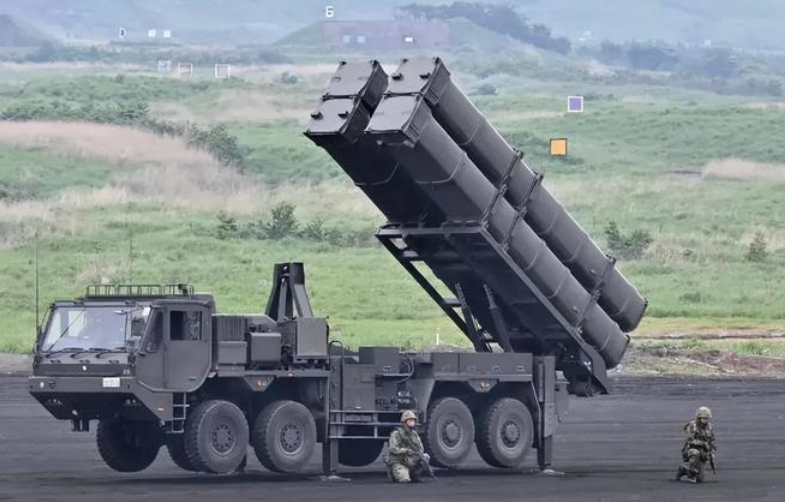
Japan Deploys 25-Type Missiles in 'Kirishima' Drill, Marking Shift in Defense Strategy
Japan's first large-scale deployment of the 25-Type land-based anti-ship missile during the US-Japan 'Kirishima' drill signals a strategic pivot away from 'strictly defensive' policies. Explore the implications of this military expansion.

American Airlines 2026 Forecast: Slower Growth Amid Fuel Costs
American Airlines predicts deeper losses and slower capacity growth in 2026 due to a jet fuel spike following the Iran war. Read the full analysis.
Former Japanese PM Fukuda Yasuo Dies at 90: Legacy of Diplomacy and China's Call for Responsibility
Former Japanese Prime Minister Fukuda Yasuo passed away on October 22, 2026, at the age of 90. His death prompts China to reflect on the importance of historical responsibility in Sino-Japanese relations.

Chinese Woman Escapes Kidnapping in Thailand After Jumping from Moving Vehicle
A 24-year-old Chinese tourist survives abduction in Thailand, jumping from a moving car to escape captors targeting tourists with romance scams.
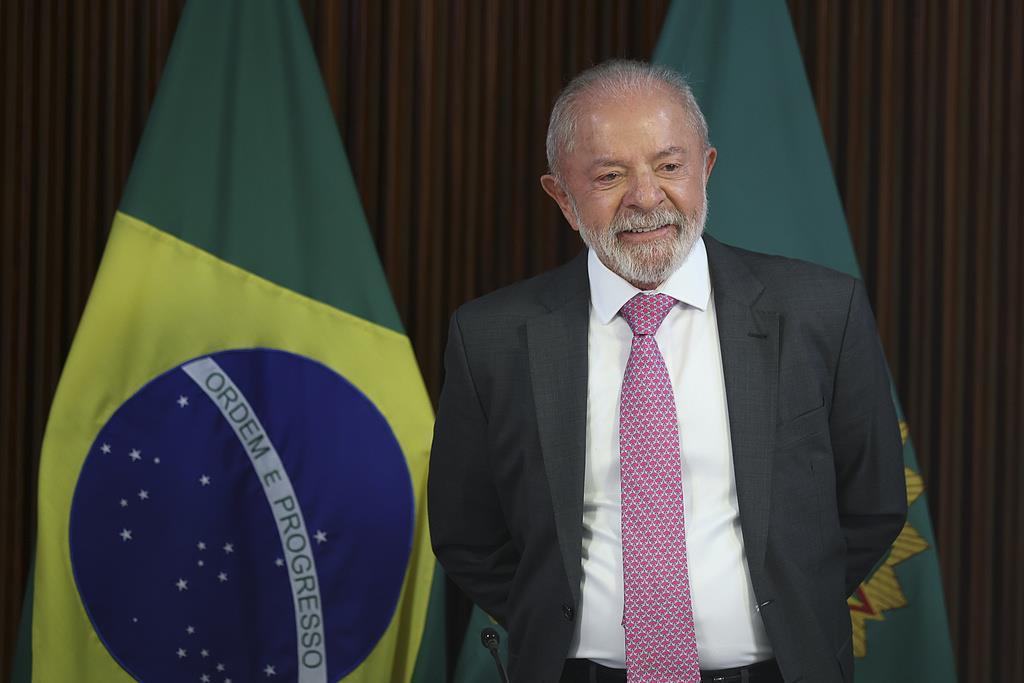
Lula Wins Brazilian Presidential Election with 51.79% Vote
Luiz Inácio Lula da Silva secures narrow victory in Brazil's presidential runoff, securing his fourth term as president with 51.79% of the vote.

Xi Jinping, King Philippe Celebrate 55 Years of China-Belgium Relations
President Xi Jinping and King Philippe exchanged congratulatory messages, highlighting 55 years of strategic partnership and mutual respect.
Latest Articles
- Luxury Cruise Suites: The $25,000 Night Revolution in High-End Travel
- Wonder's Bold Vision: Texas Expansion, Automation, and User-Built Restaurants Ahead of Potential IPO
- Pepsi Extends Taco Bell Partnership Despite KFC's Switch to Coke
- Brazil Presidential Election Runoff: Bolsonaro vs. Lula
- China's Middle East Envoy Holds Key Talks with Saudi Diplomatic Advisor
- Israel Election 2026: Netanyahu Faces Historic Protests and Tight Polls