BRICS Summit 2026 in New Delhi: What 'Greater BRICS Cooperation' Really Means
BRICS leaders meet in New Delhi as the bloc marks 20 years. We break down its economic weight, China's role, and why the Global South is watching.
Source: thepaper.cn
When the 18th BRICS leaders' summit opens in New Delhi on September 12–13, 2026, it will mark two decades since a Goldman Sachs research paper turned four ticker symbols into a geopolitical brand. What began as an acronym for fast-growing emerging economies has become something far more consequential: a platform that now claims nearly half the world's population and roughly 30 percent of global GDP. Understanding how that happened — and what it means for the next 20 years — matters well beyond the summit hall.

Key Facts
- The summit itself: Chinese President Xi Jinping will attend the New Delhi gathering at the invitation of Indian Prime Minister Narendra Modi, following recent trips to Central Asia and the Middle East. The meeting is the 18th leaders' summit and the first hosted by India since the bloc's expanded format took shape.
- The scale of the bloc: BRICS countries account for close to half of the global population, about 30 percent of world economic output, and one-fifth of global trade. Those figures underpin the argument that the group is no longer a niche club but a structural force in the world economy.
- From acronym to institution: The grouping evolved from an economic concept into a formal diplomatic architecture, adding a development bank, a New Industrial Revolution Partnership, and a widening circle of partner countries. The expansion has been framed as a "historical inevitability" rather than an accident.
- The "BRICS Plus" model: First proposed by Xi at the 2017 Xiamen summit, the outreach format extended cooperation beyond founding members to the broader Global South. At the 2023 Johannesburg summit, more than 50 countries took part in the expanded dialogue.
- Financial footprint: The New Development Bank has approved cumulative loans exceeding US$42 billion, positioning itself as a notable alternative channel within the international financial system. It remains one of the most tangible deliverables of the cooperation agenda.
- Security and diplomacy track: BRICS has coordinated positions on the Israeli-Palestinian conflict through a special video summit, while a six-point consensus on the Ukraine crisis, advanced by China and Brazil, has drawn positive responses from more than 110 countries.
- Civilizational and governance links: China has led the creation of a Global South think-tank cooperation alliance, alongside digital education initiatives. The "BRICS Plus" network now spans most major regions, framed as a push for a multipolar world and more inclusive globalization.
- China's through-line: From the "four goals" of cooperation to the "BRICS spirit" and the "five BRICS" framework, Beijing has left a visible mark on nearly every inflection point in the group's institutional development.
Deep Analysis
The most striking thing about BRICS in 2026 is how thoroughly it has outgrown its original identity. The acronym was coined to describe investment opportunities, not to predict a diplomatic coalition. Yet the coalition is now the point. For emerging economies frustrated by slow reform of the IMF and World Bank, BRICS offers something the Bretton Woods institutions cannot: a seat at the table without waiting for permission from the existing powers.
That said, the bloc's internal diversity is both its strength and its central vulnerability. India and China are strategic competitors as much as partners; Brazil and Russia have very different relationships with Western economies; new members bring their own agendas. The "equal treatment and seeking common ground while reserving differences" formula works precisely because it asks for very little binding commitment. Whether that loose model can deliver on hard issues — payment systems, trade settlement, climate finance — is the real test of the next decade.
The New Development Bank's US$42 billion in approved loans is meaningful but modest next to the trillions the developing world needs annually for infrastructure and energy transition. The bank's real value may be symbolic: proof that alternative institutions can be built and can function. Similarly, the six-point consensus on Ukraine reaching over 110 countries says more about the breadth of non-alignment than about any enforcement mechanism.
For global markets, the summit's signal is less about dramatic announcements and more about direction of travel. Expect continued emphasis on local-currency settlement, digital public infrastructure cooperation, and supply-chain diversification. Multinationals operating across the Global South should read BRICS as a slow-moving but durable shift in the rules of engagement — not a rupture, but a rebalancing. The bloc's ability to hold together through the next round of geopolitical shocks will determine whether "Greater BRICS Cooperation" becomes a permanent feature of the international order or a footnote in its history.
Frequently Asked Questions
What is "Greater BRICS Cooperation"? It refers to the expanded format that brings additional countries and partners into the BRICS process, extending beyond the original five members. The goal is to turn the group into a broader platform for Global South coordination on development, security, and governance.
Why is the New Delhi summit significant? It is the 18th leaders' meeting and comes as the bloc marks roughly 20 years since its founding concept emerged. India hosting China's president also signals that the two rivals can still cooperate within a multilateral framework.
Does BRICS function as an anti-Western alliance? Officially, no. Chinese officials have repeatedly said the grouping is not about forcing countries to pick sides or forming bloc confrontation, but about building a broader framework for peace and development. In practice, members hold widely different positions toward Western institutions.
Source: https://www.thepaper.cn/newsDetail_forward_34056450
Related posts
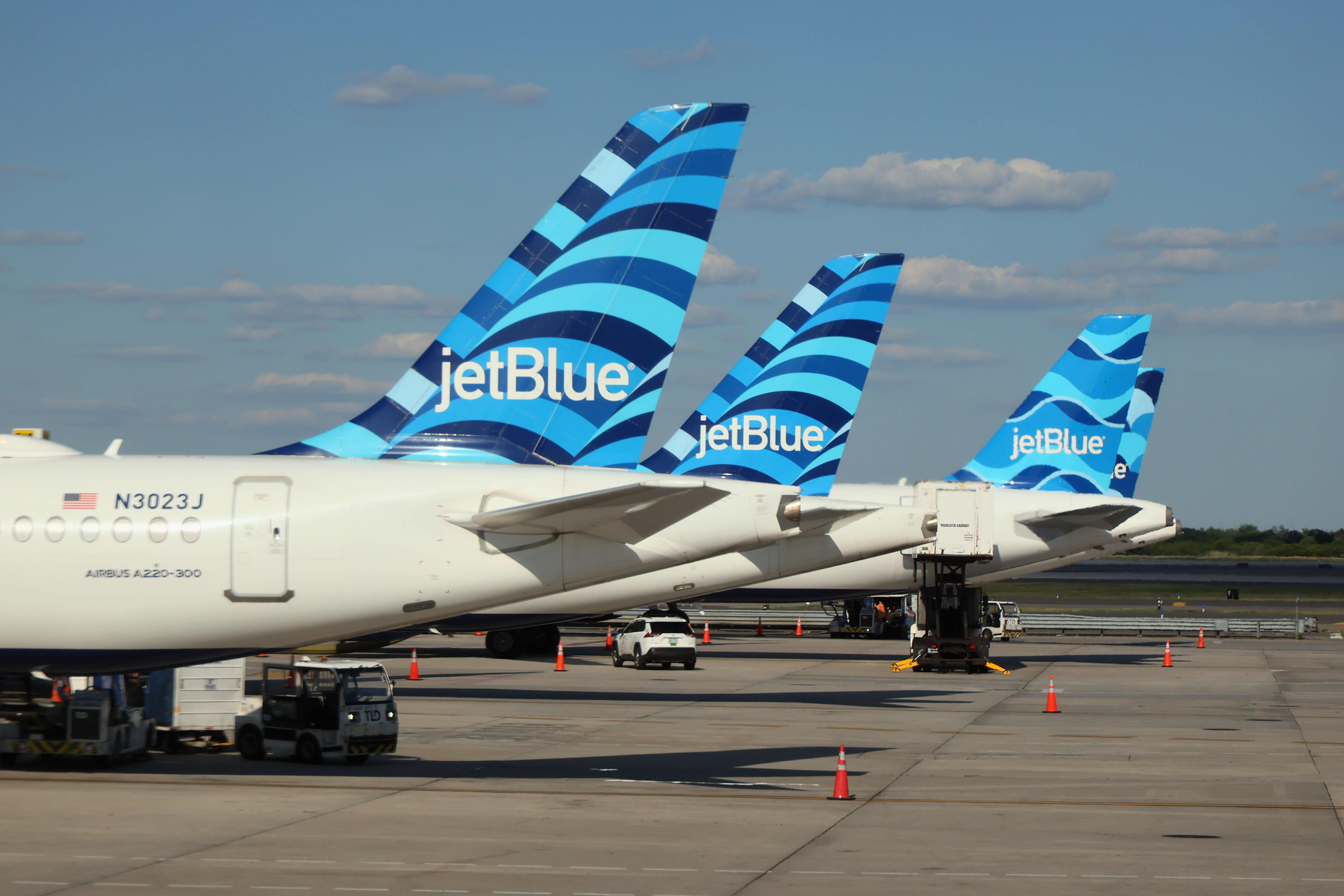
JetBlue 3Q 2026 Loss: Fuel Costs Rise 61% Despite Strong Travel Demand
JetBlue Airways reported a wider third-quarter loss driven by soaring fuel costs, but CEO Joanna Geraghty points to resilient demand and improving margins as key indicators of a successful turnaround.
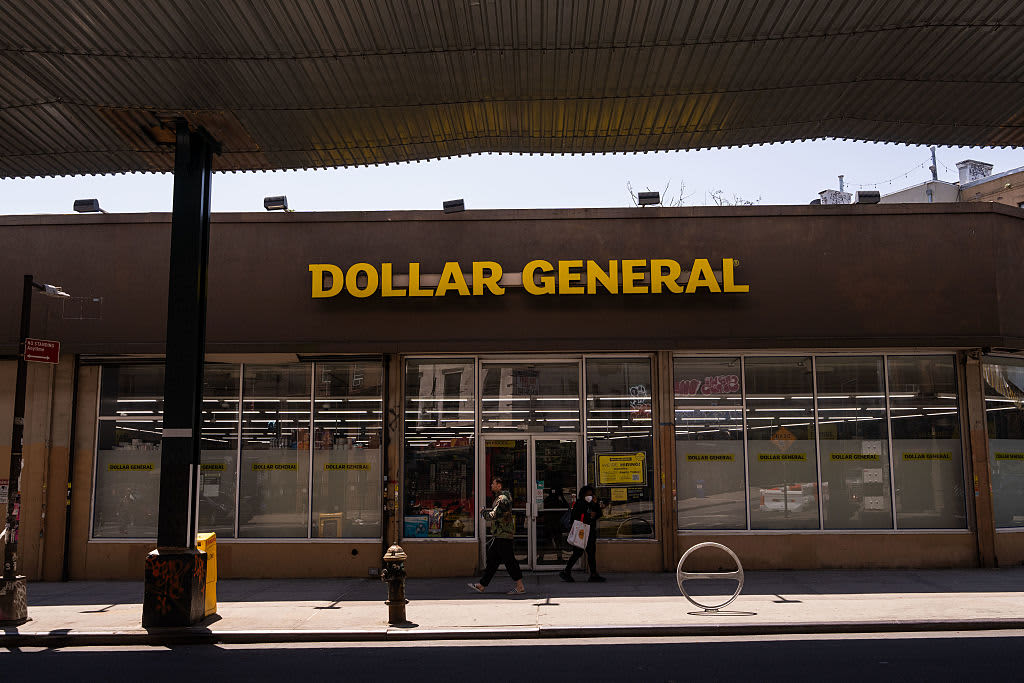
FTC Sues Dollar General: Overcharging Shoppers Billions
The FTC and 20 states accuse Dollar General of unlawful price hikes. Discover the details of the lawsuit, the impact on low-income consumers, and what this means for the retail landscape.

Anthropic IPO: The $1.5 Trillion AI Giant's Historic Stock Market Debut
Anthropic files for an IPO valuing the company between $1.5T and $2T. Will the AI giant's record-breaking valuation withstand market volatility?

China to Send Giant Panda Ranran to Belgium for Diplomatic Relations
To celebrate 55 years of diplomatic ties, China is sending giant panda Ranran to Belgium. This move aims to deepen bilateral cooperation in wildlife conservation.
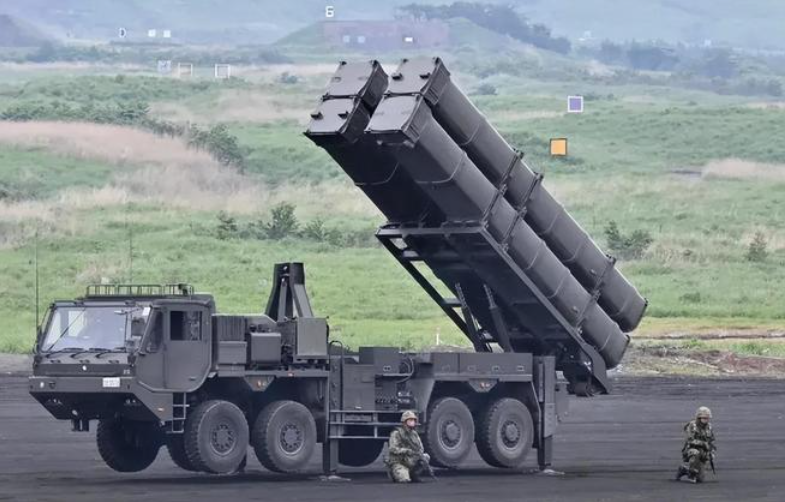
Japan Deploys 25-Type Missiles in 'Kirishima' Drill, Marking Shift in Defense Strategy
Japan's first large-scale deployment of the 25-Type land-based anti-ship missile during the US-Japan 'Kirishima' drill signals a strategic pivot away from 'strictly defensive' policies. Explore the implications of this military expansion.

American Airlines 2026 Forecast: Slower Growth Amid Fuel Costs
American Airlines predicts deeper losses and slower capacity growth in 2026 due to a jet fuel spike following the Iran war. Read the full analysis.
Former Japanese PM Fukuda Yasuo Dies at 90: Legacy of Diplomacy and China's Call for Responsibility
Former Japanese Prime Minister Fukuda Yasuo passed away on October 22, 2026, at the age of 90. His death prompts China to reflect on the importance of historical responsibility in Sino-Japanese relations.

Chinese Woman Escapes Kidnapping in Thailand After Jumping from Moving Vehicle
A 24-year-old Chinese tourist survives abduction in Thailand, jumping from a moving car to escape captors targeting tourists with romance scams.
Latest Articles
- Lula Wins Brazilian Presidential Election with 51.79% Vote
- Xi Jinping, King Philippe Celebrate 55 Years of China-Belgium Relations
- Luxury Cruise Suites: The $25,000 Night Revolution in High-End Travel
- Wonder's Bold Vision: Texas Expansion, Automation, and User-Built Restaurants Ahead of Potential IPO
- Pepsi Extends Taco Bell Partnership Despite KFC's Switch to Coke
- Brazil Presidential Election Runoff: Bolsonaro vs. Lula