Japan's ASM-3A: A New Era of Offensive Air Defense
Japan's plan to develop a 400km-range air-to-air missile from the ASM-3A anti-ship missile signals a shift toward offensive air defense. Analysis, implications, and FAQs.
Source: thepaper.cn
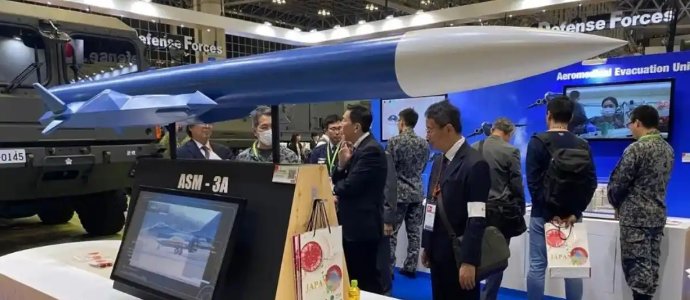
In a move that underscores the shifting military balance in the Indo-Pacific, Japan has revealed plans to develop an ultra-long-range air-to-air missile derived from its ASM-3A anti-ship missile. With a range exceeding 400 kilometers, this weapon could allow Japanese fighters to strike key enemy assets like AWACS aircraft from unprecedented distances. The announcement, part of Japan's fiscal 2027 budget request, marks a significant departure from its traditionally defensive posture and raises important questions about regional stability and the future of aerial warfare.
Key Details
- A Unique Evolution: The ASM-3A missile, originally developed as a supersonic anti-ship weapon, is being repurposed to also engage aerial targets. This is a rare development, as most air-to-air missiles are designed from scratch or adapted from air-defense systems, not from anti-ship missiles.
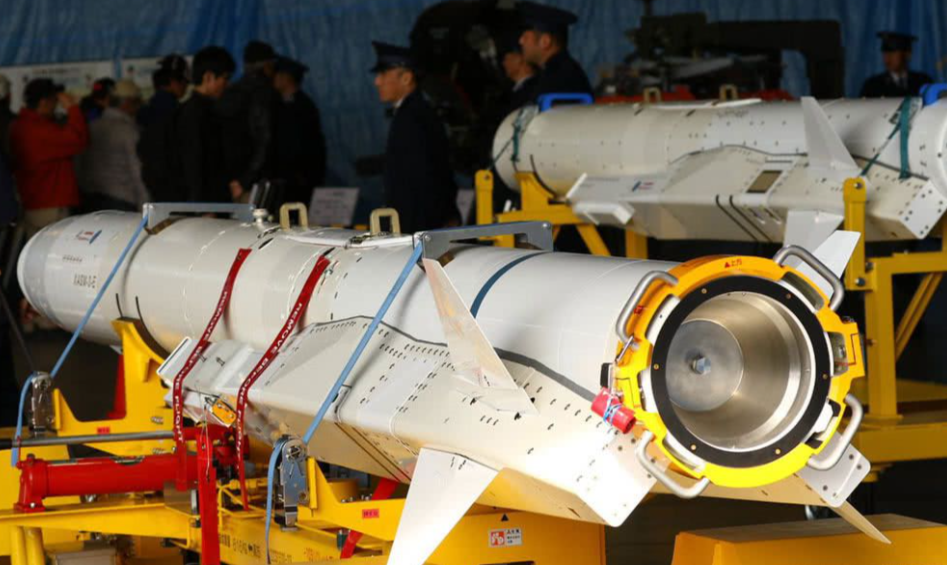
- Technical Foundation: The ASM-3A uses a ramjet engine, enabling sustained speeds above Mach 3 and a range of roughly 400 km. Its 200 kg warhead is far heavier than typical air-to-air missiles (e.g., AIM-120's 20 kg), promising devastating effects on large aircraft.
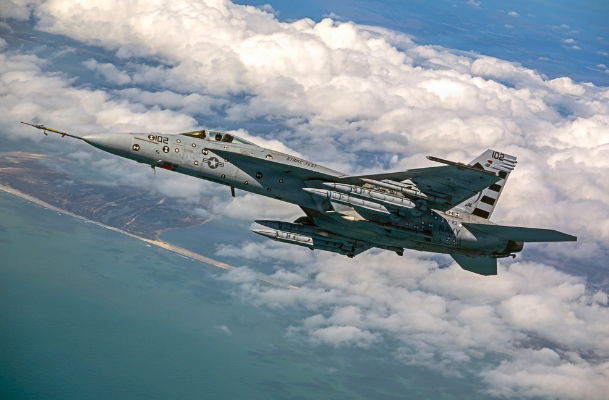
- Carriage Limitations: The missile's size (6 meters long, 350 mm diameter) means it cannot fit inside the internal bays of stealth fighters like the F-35. It must be carried externally by F-2 or F-15J fighters, which limits their stealth and payload flexibility.
- Strategic Rationale: Japan aims to mimic the US approach of developing ultra-long-range missiles (AIM-174B, AIM-424) to target enemy force multipliers—AWACS, tankers, and electronic warfare aircraft—disrupting their operational networks.
- Development Path: By adapting an existing missile, Japan reduces technical risk and cost compared to designing a new air-to-air missile from scratch. This "platform transplant" strategy is seen as efficient, despite inherent challenges.
- Recent US Precedents: The US Navy's AIM-174B (derived from SM-6) and the newly revealed AIM-424 highlight a global trend toward longer-range air-to-air missiles, with ranges exceeding 400 km.
- China's Reaction: Chinese defense officials have criticized Japan's military expansion, stating it violates its pacifist constitution and "exclusively defense-oriented" policy, urging international vigilance.
In-Depth Analysis
Japan's decision to develop an ultra-long-range air-to-air missile from the ASM-3A is a calculated move that reflects broader trends in aerial warfare. The concept of "system destruction"—targeting an adversary's command-and-control aircraft to blind its entire air force—has become central to modern air combat. The US, with its AIM-260, AIM-174B, and AIM-424, has already embraced this philosophy. Japan, facing regional threats with advanced air defenses, seeks to ensure its fighters can engage from stand-off distances, avoiding the lethal envelopes of enemy surface-to-air missiles.
However, this approach is not without drawbacks. The ASM-3A's ramjet engine, while efficient at cruise, struggles during high-G maneuvers at the terminal stage. In a dogfight or when pursuing a highly agile target, the missile may experience inlet flow distortion, leading to thrust loss or flameout. This makes it less maneuverable than rocket-powered missiles like the AIM-120 or Meteor. Additionally, the missile's size limits its carriage to non-stealthy fighters, which could be vulnerable to enemy stealth aircraft with their own ultra-long-range missiles. This paradox—fielding a long-range weapon on a platform that may be detected and engaged first—could undermine its effectiveness in high-end conflicts.
Moreover, Japan's shift toward "offensive air defense" (a term used to describe proactive strikes on enemy assets) signals a departure from its post-war defensive stance. This aligns with its recent investments in counter-strike capabilities, such as long-range cruise missiles. While Japan frames these as defensive necessities, neighbors like China view them as escalatory. The development also accelerates an arms race in the region, potentially prompting China and others to field even longer-range or more advanced air-to-air missiles.
Frequently Asked Questions
Why is Japan developing an air-to-air missile from an anti-ship missile? Japan seeks to rapidly acquire a long-range air-to-air capability by leveraging existing technology. The ASM-3A's speed, range, and warhead make it suitable for engaging large, less maneuverable targets like AWACS. This approach reduces development time and cost compared to designing a new missile.
What are the limitations of this missile? The missile's ramjet engine may limit its agility in terminal engagement against fighter-sized targets. Its large size restricts it to external carriage on non-stealthy aircraft, reducing their survivability. Additionally, the missile's weight (likely over 900 kg) limits the number carried per sortie.
How does this affect regional security? Japan's move could provoke an arms race in the Indo-Pacific. China has already expressed concerns, and other nations may accelerate their own long-range missile programs. This could increase tensions and the risk of miscalculation in the region.
Source: https://www.thepaper.cn/newsDetail_forward_34010148
Related posts
High-and-Mighty Cabinet: More Officials Visit Yasukuni Shrine Amid Rising Controversy
Environment Minister Miyamoto Hiroyuki joins a growing list of conservative politicians visiting Yasukuni Shrine, sparking diplomatic tensions and domestic debate.
Oil Exports Plummet as Iran Increases Attacks in Strait of Hormuz
Three oil tankers hit by mines in one week, causing a sharp drop in global crude exports. Read the analysis of the escalating crisis.

Food Bank Lines Surge Ahead of Midterms: US Families Face Inflation and Welfare Cuts
As inflation and federal budget cuts tighten their grip, long lines are forming at US food banks. This is the reality facing American families ahead of the 2026 midterm elections.
Shanghai's Cultural Renaissance: Festival, Theater, and Consortium Illuminate the City's Artistic Future
Exploring how Shanghai's 25th International Arts Festival, Grand Theater, and Performing Arts Consortium are transforming the city into a global cultural hub through innovative programming and accessible art experiences.

Japan's High-profile Yasukuni Shrine Visit: A Challenge to Post-War Order
Prime Minister Sanae Takaichi and over 70 lawmakers attend the autumn festival, provoking international condemnation.

Netflix cuts 1,000 jobs as streaming growth slows and competition intensifies
Netflix lays off 6% of its workforce amid stagnating viewership and the rise of competitors like Skydance and YouTube.

U.S. Loosens Fuel Economy Rules: Boost for V-8 Engines and Pickup Trucks
The U.S. lowers fuel economy targets to 34.9 mpg by 2031. Automakers see a financial tailwind, leading to a resurgence of V-8 engines and a shift away from compliance-focused EV investments.

Noah Adams: NPR Icon And Voice For Rural America
Explore the legacy of NPR's Noah Adams, a master storyteller who captured the soul of rural America and shaped public radio journalism for decades.
Latest Articles
- Social Security Benefits Boost, Russia-Ukraine War Updates, And Global Geopolitical Shifts
- COP17: Critical Moment for Biodiversity Framework Implementation
- Iran's Deep Involvement in Yemen Conflict and Egypt's Potential Military Intervention
- Haze from Kalimantan Forest Fires Reaches Jakarta Sky
- France Protests 2026: Mass Demonstrations Over Living Costs and Education
- Trump Signs Executive Order to Waive Key Sanctions on Russia Amid Energy Crisis