China and Russia Conduct First Joint Arctic Sea Ice Survey
China's Xuelong 2 and Russian scientists team up for the first joint Arctic sea ice observation, enhancing climate research and polar cooperation.
Source: thepaper.cn
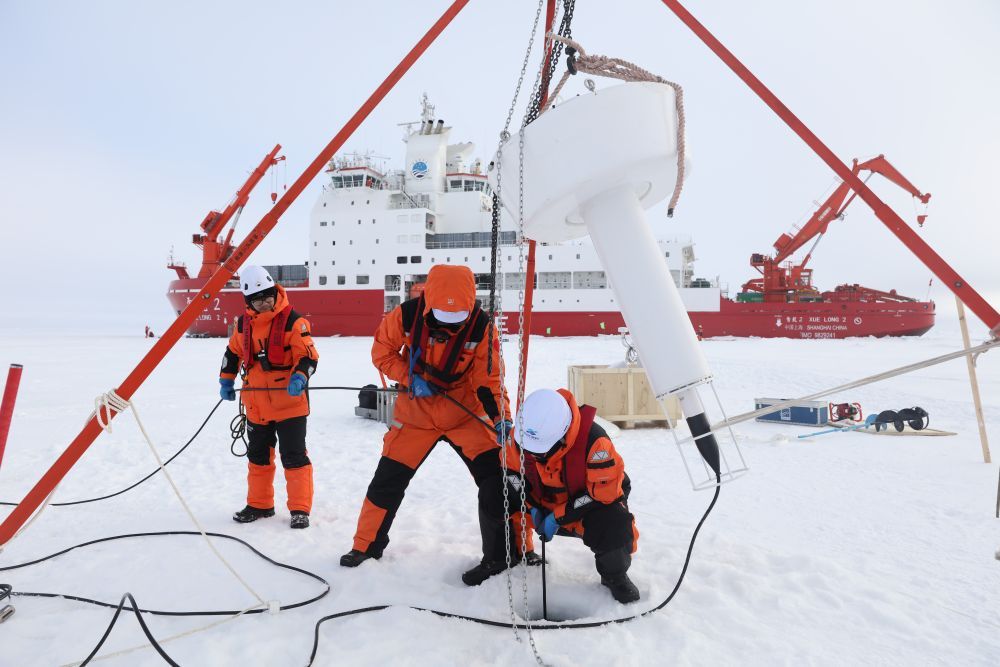
As the Arctic warms at an alarming rate, understanding sea ice changes has never been more critical. In a historic move, China and Russia have launched their first-ever joint field observation of Arctic sea ice aboard the icebreaker Xuelong 2. This collaboration marks a significant step in polar science, bringing together expertise from two major Arctic stakeholders to collect vital data that could reshape our understanding of climate change and its global impacts.
Key Highlights
-
Historic Joint Mission: During China's 16th Arctic expedition, the Xuelong 2 icebreaker hosted two scientists from the Russian Arctic and Antarctic Research Institute. Together, they conducted comprehensive sea ice observations while navigating the Arctic Ocean, marking the first time the two nations have cooperated in this specific field.
-
Standardized Methods: Before entering the ice zone, team leaders from both sides compared their observation standards and methodologies. They found that their core measurement parameters—including ice concentration, type, size, thickness, and snow cover—were highly aligned, with only minor differences that were promptly reconciled.
-
Complementary to Satellites: The ship-based manual observations offer high spatial resolution and are unaffected by cloud cover, providing a valuable complement to satellite remote sensing. This on-the-ground data helps refine satellite algorithms and improve the accuracy of large-scale ice monitoring.
-
Enhanced Data Collection: The joint team conducted round-the-clock visual assessments of ice conditions along the ship's route, recording irregular ice changes and thickness variations. They also expanded their observations to include atmospheric conditions, ship dynamics, and sightings of large marine animals, adding a multi-dimensional layer to the research.
-
Practical Applications: According to Lin Long, captain of the sea ice team on Xuelong 2, the collaboration goes beyond pure science. The data collected will directly support the design of ice-capable vessels and the evaluation of navigation routes, making the findings highly practical for future Arctic shipping and operations.
-
Mutual Learning: Russian engineer Evgeny Kozlovsky highlighted that the joint effort allowed his team to learn from Chinese observation techniques, fostering a valuable exchange of expertise that will enhance Arctic sea ice monitoring methodologies on both sides.
Climate Significance: The Arctic sea ice decline over the past 50 years is a stark indicator of global climate change. This joint observation provides crucial ground-truth data that will help scientists better assess ice-ocean interactions and predict future trends, benefiting global climate models.
Deep Analysis
This unprecedented collaboration between China and Russia in Arctic sea ice observation is not just a scientific milestone but also a geopolitical signal. Both nations are expanding their presence in the Arctic, driven by interests in shipping routes, natural resources, and strategic influence. By pooling their resources and expertise, they are positioning themselves as key players in Arctic research, potentially challenging the dominance of Western nations in polar science. The timing is significant: as climate change accelerates ice melt, the Arctic is becoming more accessible, and data on ice conditions is crucial for safe navigation and resource extraction. This joint effort could set a precedent for future international cooperation in the region, though it also raises questions about data sharing and transparency, especially given the sensitive nature of Arctic waters. From a scientific perspective, the integration of manual observations with satellite data will enhance the reliability of climate models, benefiting researchers worldwide. However, the collaboration may also face challenges, such as differences in data interpretation and the need for long-term commitment to maintain continuity in monitoring efforts. Looking ahead, this partnership could expand to other areas of polar research, including marine biology and geology, further cementing the China-Russia axis in the Arctic.
Frequently Asked Questions
Why is Arctic sea ice observation important? Arctic sea ice acts as Earth's air conditioner, reflecting sunlight and regulating global temperatures. Its rapid decline impacts weather patterns, sea levels, and ecosystems worldwide. Observations help scientists understand these changes and improve climate predictions.
How does ship-based observation complement satellite data? Satellites provide broad coverage but can be hindered by clouds and have lower resolution. Ship-based observations offer detailed, ground-level data on ice thickness and type, which are critical for calibrating satellite sensors and validating remote sensing products.
What are the implications for Arctic shipping? The data collected from this joint survey will inform the design of icebreakers and cargo ships, as well as route planning, making Arctic shipping safer and more efficient. This is particularly relevant for China's Polar Silk Road initiative, which aims to develop new trade routes through the Arctic.
Source: https://www.thepaper.cn/newsDetail_forward_34014347
Related posts

Food Bank Lines Surge Ahead of Midterms: US Families Face Inflation and Welfare Cuts
As inflation and federal budget cuts tighten their grip, long lines are forming at US food banks. This is the reality facing American families ahead of the 2026 midterm elections.

Oil Exports Plummet as Iran Increases Attacks in Strait of Hormuz
Three oil tankers hit by mines in one week, causing a sharp drop in global crude exports. Read the analysis of the escalating crisis.

High-and-Mighty Cabinet: More Officials Visit Yasukuni Shrine Amid Rising Controversy
Environment Minister Miyamoto Hiroyuki joins a growing list of conservative politicians visiting Yasukuni Shrine, sparking diplomatic tensions and domestic debate.
Shanghai's Cultural Renaissance: Festival, Theater, and Consortium Illuminate the City's Artistic Future
Exploring how Shanghai's 25th International Arts Festival, Grand Theater, and Performing Arts Consortium are transforming the city into a global cultural hub through innovative programming and accessible art experiences.

Japan's High-profile Yasukuni Shrine Visit: A Challenge to Post-War Order
Prime Minister Sanae Takaichi and over 70 lawmakers attend the autumn festival, provoking international condemnation.

Netflix cuts 1,000 jobs as streaming growth slows and competition intensifies
Netflix lays off 6% of its workforce amid stagnating viewership and the rise of competitors like Skydance and YouTube.

U.S. Loosens Fuel Economy Rules: Boost for V-8 Engines and Pickup Trucks
The U.S. lowers fuel economy targets to 34.9 mpg by 2031. Automakers see a financial tailwind, leading to a resurgence of V-8 engines and a shift away from compliance-focused EV investments.

Noah Adams: NPR Icon And Voice For Rural America
Explore the legacy of NPR's Noah Adams, a master storyteller who captured the soul of rural America and shaped public radio journalism for decades.
Latest Articles
- Social Security Benefits Boost, Russia-Ukraine War Updates, And Global Geopolitical Shifts
- COP17: Critical Moment for Biodiversity Framework Implementation
- Iran's Deep Involvement in Yemen Conflict and Egypt's Potential Military Intervention
- Haze from Kalimantan Forest Fires Reaches Jakarta Sky
- France Protests 2026: Mass Demonstrations Over Living Costs and Education
- Trump Signs Executive Order to Waive Key Sanctions on Russia Amid Energy Crisis