Two US Marines Arrested in Okinawa for Assault: Renewed Scrutiny on US Military Presence
Okinawa police arrested two US Marines for allegedly assaulting three locals. The incident reignites tensions over the US military footprint in Japan.
Source: thepaper.cn
Okinawa has long been a flashpoint in US-Japan relations, and the latest incident involving two US Marines accused of assault is set to reignite debates over the American military presence in the region. The arrest, announced by the Okinawa Prefectural Police on September 5, 2026, comes at a time when local sentiment against US bases is already simmering. With the Japanese government pushing for a more prominent security role, this event could have far-reaching implications for bilateral ties and local politics.
Key Details
-
The Incident: On the evening of September 4, 2026, around 10 PM, two US Marines assigned to Camp Courtney in Uruma City allegedly assaulted three Okinawan men in a bustling entertainment district in Naha, the prefectural capital. The suspects are accused of pushing the victims' chests with both hands and punching them in the face. The police have not yet disclosed whether the suspects have admitted to the charges.
-
The Arrest: The Okinawa Police Station, part of the Okinawa Prefectural Police Headquarters, confirmed the arrests on September 5. The two Marines are being held on suspicion of assault, a charge that, under Japanese law, can lead to imprisonment or fines. The US military has not yet issued a public statement, but typically such cases are handled through the Status of Forces Agreement (SOFA).
-
Location Context: Camp Courtney is a US Marine Corps base located in Uruma City, on the eastern coast of Okinawa. The base is one of several US facilities that occupy a significant portion of the island, which hosts about 70% of US military installations in Japan, despite making up less than 1% of the country's land area.
-
Local Sentiment: Okinawa has a long history of resentment toward the US military presence, fueled by incidents of crime, noise pollution, and the burden of hosting bases. This latest assault is likely to inflame public anger and provide ammunition for activists and politicians who have long called for the reduction or removal of US forces.
-
Legal Framework: Under the SOFA, US military personnel accused of crimes are generally subject to Japanese jurisdiction, but in practice, there are often disputes over custody and prosecution rights. The fact that the police made arrests suggests that Japanese authorities have taken the lead, which is not always the case.
-
Political Ramifications: The incident occurs against the backdrop of ongoing negotiations between Tokyo and Washington over the realignment of US forces in Okinawa, including the controversial plan to relocate the Futenma Air Station to a less populated area. This event could complicate those talks and strengthen the hand of opponents who argue that the US presence is a burden rather than a benefit.
Historical Precedent: This is not the first time US service members have been accused of crimes in Okinawa. In 1995, the rape of a 12-year-old girl by three US servicemen sparked massive protests and led to a review of the SOFA. More recently, in 2016, a US civilian contractor was arrested for the murder of a local woman, prompting renewed calls for stricter regulations.
In-Depth Analysis
The arrest of the two Marines is more than just a criminal case; it is a geopolitical flashpoint that underscores the delicate balance between security needs and local autonomy. For decades, Okinawa has borne a disproportionate share of the US military burden, and this incident is likely to galvanize opposition to the bases. The Japanese government, led by Prime Minister Fumio Kishida, has been walking a tightrope between maintaining a strong alliance with the US and addressing the grievances of Okinawan residents. This event could force Tokyo to take a more assertive stance in negotiations, especially as China's military assertiveness grows and the US seeks to strengthen its presence in the Indo-Pacific.
Moreover, the timing is critical. With the US and Japan deepening their security cooperation, incidents like this can undermine public support for the alliance. The Okinawan governor, Denny Tamaki, has been a vocal critic of the US bases and has repeatedly called for their reduction. This incident provides him with fresh evidence to push his agenda, potentially leading to increased friction between the central government and the prefecture. From a broader perspective, the incident highlights the inherent contradictions in hosting foreign troops: while they are essential for deterrence, their presence often comes with social costs that local communities are unwilling to bear. As the US continues its strategic pivot to Asia, the question of how to manage these tensions will become increasingly urgent.
Looking ahead, the outcome of the police investigation and any subsequent trial will be closely watched. If the Marines are convicted, it could lead to calls for harsher penalties and stricter oversight of US forces. Conversely, if they are acquitted or given lenient treatment, it could fuel allegations of a double standard and further erode trust in the US-Japan alliance. Either way, this incident is likely to have lasting consequences for the political landscape in Okinawa and beyond.
Frequently Asked Questions
What is the Status of Forces Agreement (SOFA) and how does it affect this case? The SOFA is a bilateral agreement between the US and Japan that outlines the legal status of US military personnel stationed in Japan. It determines whether US service members are subject to Japanese criminal jurisdiction. In this case, the suspects have been arrested by Japanese police, indicating that Japanese authorities are exercising jurisdiction, but the SOFA could still influence the handling of the case, including custody and trial procedures.
Why is Okinawa so sensitive to crimes committed by US military personnel? Okinawa hosts a large concentration of US bases, and residents have long felt that they bear an unfair burden in supporting the US-Japan alliance. Incidents of crime, including serious offenses, have fueled a perception that the US military presence is disruptive and dangerous. The island's unique history, including the Battle of Okinawa in World War II, adds emotional weight to the issue.
Source: https://www.thepaper.cn/newsDetail_forward_34014540
Related posts

Social Security Benefits Boost, Russia-Ukraine War Updates, And Global Geopolitical Shifts
Explore the latest Social Security increase, the strategic implications of Russia's Starshield, and the Houthis' attack on Aramco in this comprehensive global analysis.

COP17: Critical Moment for Biodiversity Framework Implementation
As the Kunming-Montreal Global Biodiversity Framework faces implementation challenges, COP17 must deliver concrete solutions to address funding gaps, subsidy reforms, and global cooperation.
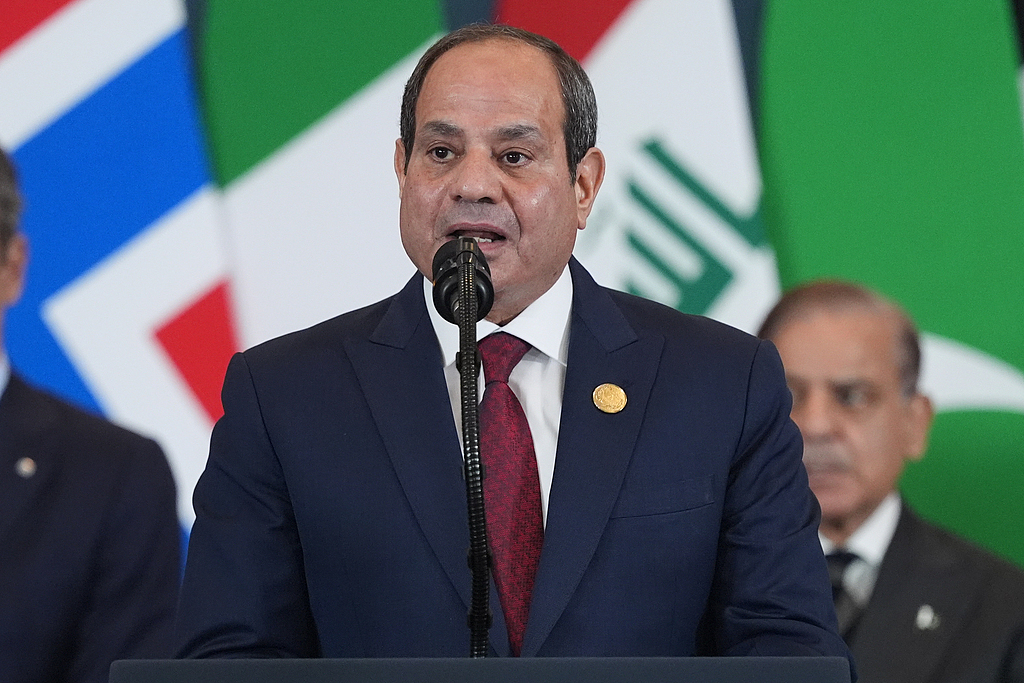
Iran's Deep Involvement in Yemen Conflict and Egypt's Potential Military Intervention
Saudi Arabia faces critical shortages in air defense due to Houthi attacks, prompting urgent requests for help. Reports reveal Iran's intelligence support for Houthi strikes, while Egypt prepares to defend Saudi sovereignty.
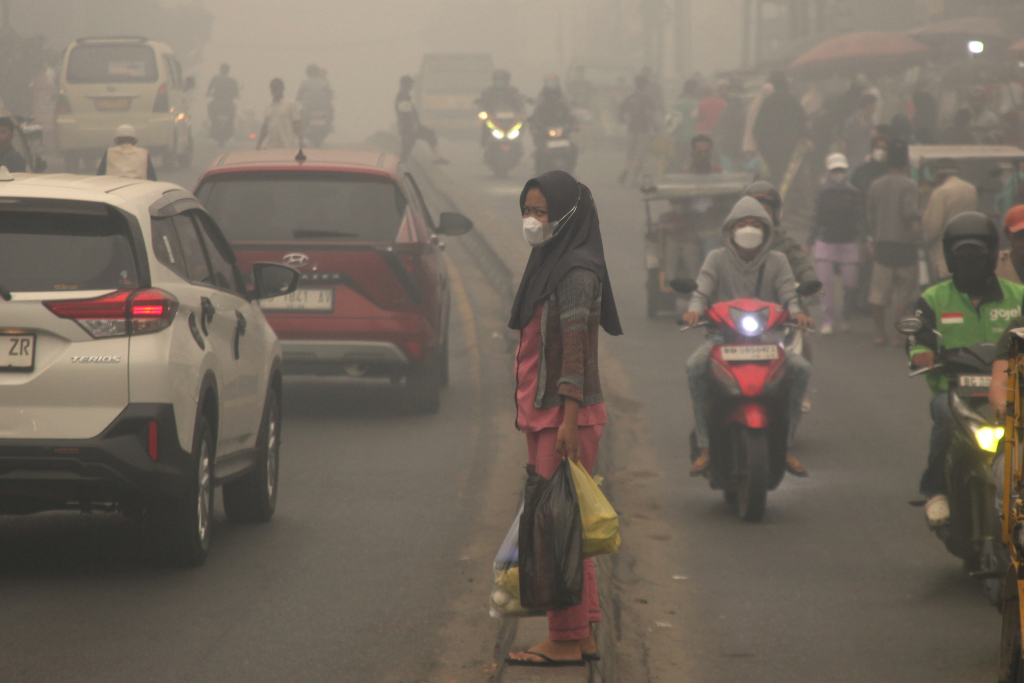
Haze from Kalimantan Forest Fires Reaches Jakarta Sky
Smoke from massive forest fires in Kalimantan, Indonesia, has drifted over the capital, Jakarta, creating hazardous air quality conditions and affecting neighboring Singapore and Malaysia.
France Protests 2026: Mass Demonstrations Over Living Costs and Education
Hundreds arrested in France as millions march against fuel prices, education cuts, and public service reforms. Explore the latest updates.
Trump Signs Executive Order to Waive Key Sanctions on Russia Amid Energy Crisis
Trump administration exempts major parts of the Graham Bill, including 500% tariffs on Russian imports, to stabilize domestic fuel markets.

LDP Senior Official Visits Yasukuni Shrine Amid Rising Regional Tensions
Analysis of the recent high-profile visits to Yasukuni Shrine by Japanese LDP leadership, including Katsunobu Kato and Masako Okada, and their implications for regional diplomacy.
Merck CEO: Cancer Vaccine Production Timeline to Shorten
Merck and Moderna's personalized cancer vaccine is evolving. CEO Rob Davis discusses speeding up the six-week manufacturing process to reach more patients sooner.
Latest Articles
- Porsche Unveils Mission S Concept: New Flagship Design Direction
- AI Startup Bankruptcies: The Reverse Acquihire Trend Explained
- IMF Secretary-General Warns: Strait of Hormuz Risks Remain High Amid Rising Attacks
- Trump's AI to SI Rename: Political Theater or Tech Revolution?
- KFC Switches to Coca-Cola After Decades-Long Partnership with Pepsi
- Netflix Appoints Peter Rice as New Chief Content Officer to Revitalize Strategy