Why Book Prices in China Keep Rising: A Deep Dive
Book prices in China have surged over the past decade due to rising costs, platform discount wars, and shifting publishing strategies. Explore the factors, global pricing models, and what it means for readers and bookstores.
Source: thepaper.cn
If you've browsed a bookstore in China recently, you've likely noticed that new books are getting more expensive. At the Shanghai Book Fair in August, many readers lamented that without deep discounts, they could hardly afford to buy books. This sentiment reflects a broader trend: book prices have been climbing steadily for years, even as the overall market shrinks. Let's unpack why this is happening and what it means for the industry.
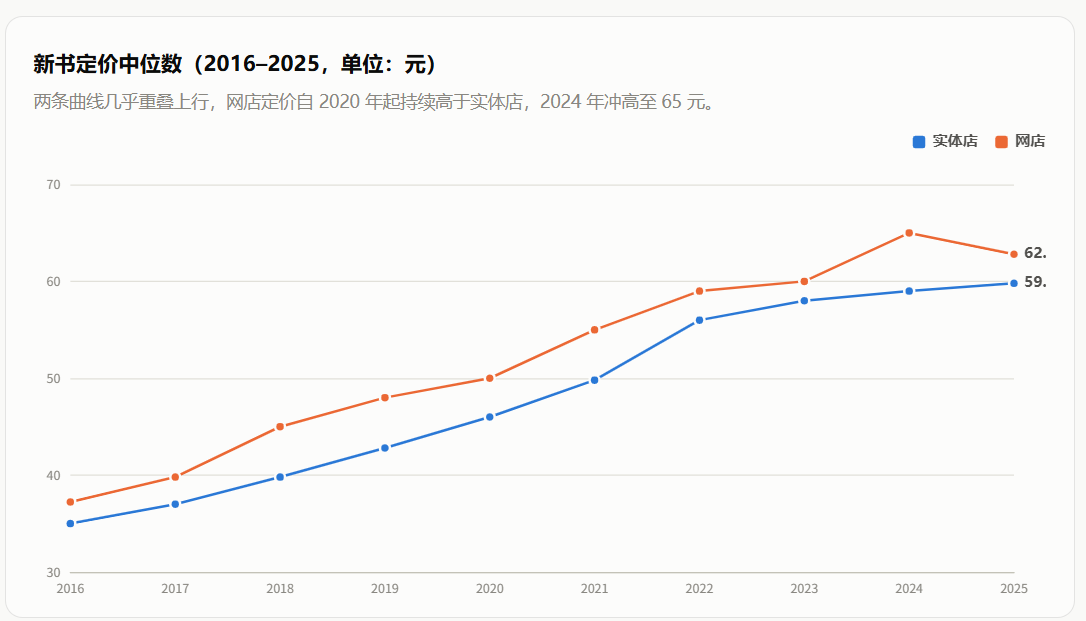
Key Drivers Behind Rising Book Prices
-
Soaring production costs: The price of cultural paper has risen consistently, with major paper companies like Sun Paper and Chenming Group announcing price hikes of 200 yuan per ton in June alone. Add to that increasing warehouse, labor, and logistics costs—many Beijing publishers have moved warehouses to suburban areas to save on rent, only to face higher transport expenses.
-
Declining print runs increase per-unit costs: As book sales slump, publishers are printing fewer copies. A decade ago, a popular title might print tens of thousands of copies, spreading fixed costs like editing and design. Now, first print runs often drop to 3,000–5,000 copies, and some even below 1,500, making each book more expensive to produce.
-
Premium book design drives up prices: To stand out on crowded shelves, publishers are investing in fancy covers, special paper, foil stamping, embossing, and edge painting. These decorative features can add 10–30 yuan to a book's price. For example, complex edge painting processes require multiple steps, significantly raising production costs.
-
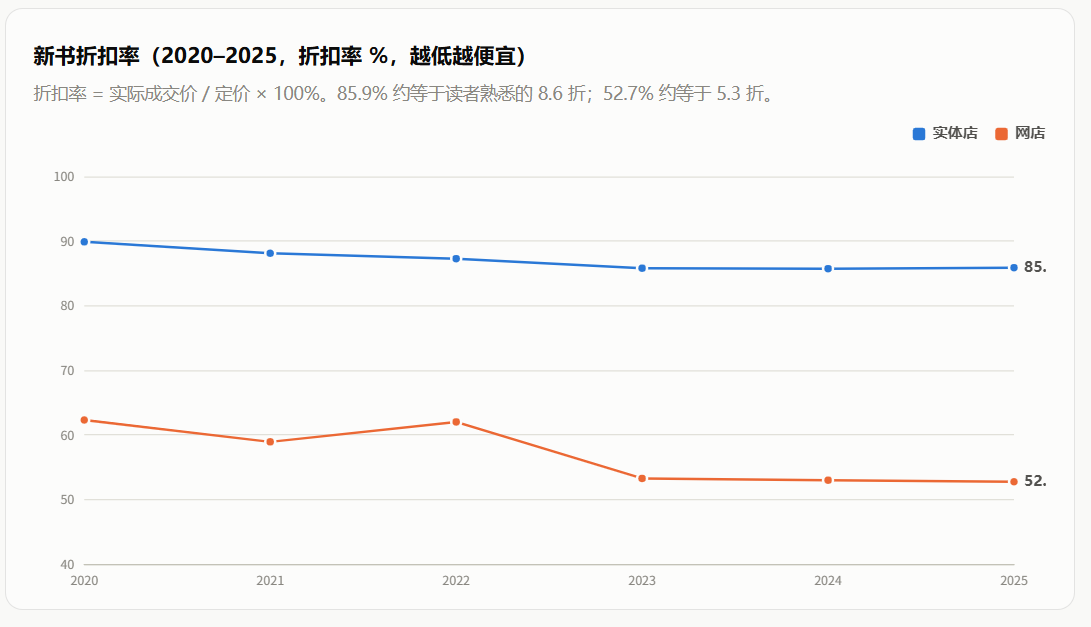
Platform discount wars force price inflation: E-commerce giants like JD.com and Taobao, along with livestreamers, demand extremely low wholesale prices (often 50% off or less). To maintain margins, publishers inflate the cover price. One industry insider revealed that after giving 20–30% commissions to influencers and paying platform fees, publishers are left with thin profits, so they compensate by raising list prices.
-
Readers' 'no discount, no purchase' mentality: Consumers have grown accustomed to waiting for deep discounts, especially online. This behavior, combined with aggressive platform pricing, creates a vicious cycle: discounts force prices up, which makes readers even more reliant on discounts.
-
Physical bookstores become showrooms: With online discounts often 30–50% off, while physical stores maintain around 86% of the cover price, many readers browse in stores but buy online. This "showrooming" effect hurts brick-and-mortar stores, which still bear the costs of display and service.
In-Depth Analysis: The Pricing Paradox and Industry Dilemma
The steady rise in book prices is not just a matter of inflation; it reflects a structural crisis in China's publishing industry. On one hand, costs are climbing—paper, labor, and distribution all cost more. On the other, the market is contracting: total book sales fell by 11.2% in 2025 to 98.7 billion yuan, following a 10.5% decline in 2024. This means publishers are caught between rising expenses and shrinking demand, forcing them to raise prices to survive.
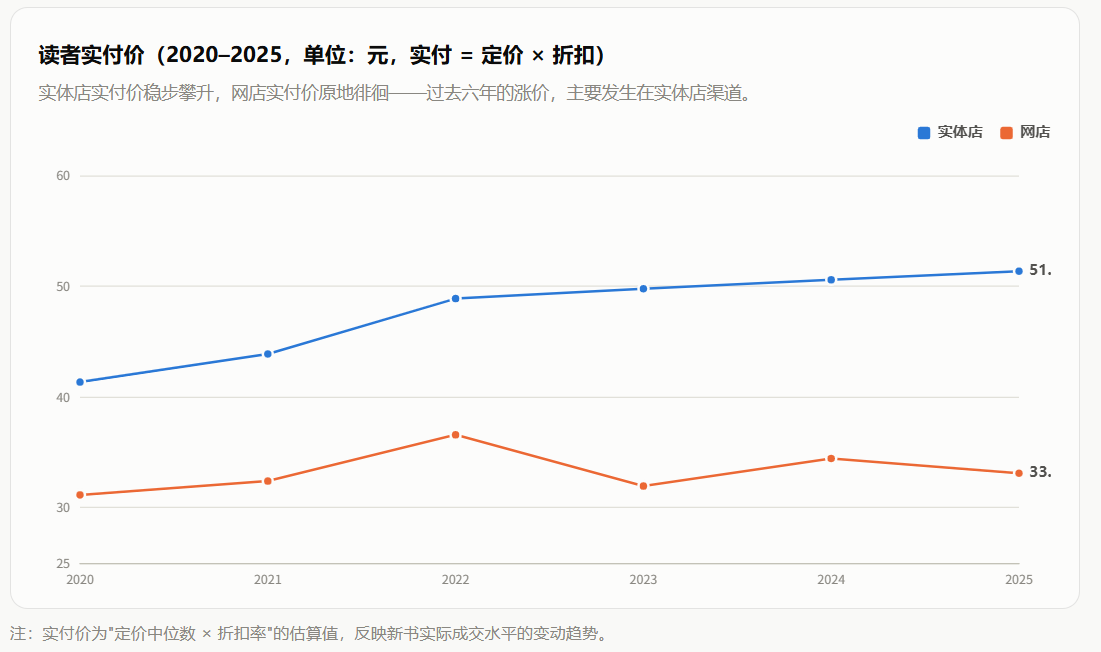
What makes this unique is the role of e-commerce platforms. Unlike Western markets where retailers compete on service and curation, Chinese platforms engage in cutthroat price wars, often selling new books at 50% off or less. To compensate, publishers inflate list prices, which then become the baseline for discounts. This has created an inverted system where the published price is almost meaningless—it's merely a reference point for negotiations.
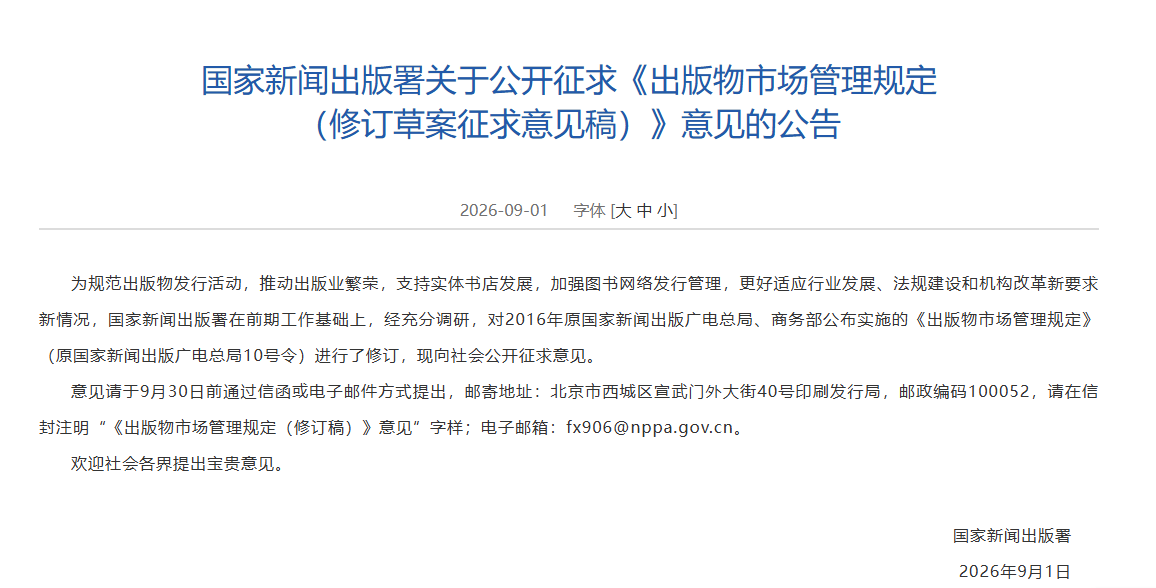
The failure of self-regulation and legislative efforts has left the industry in a bind. In 2010, a voluntary "book discount ban" was introduced but quickly collapsed. Calls for price legislation have been made at the National People's Congress since 2020, and in 2022, the National Press and Publication Administration included price legislation in its five-year plan. Yet nothing has been enacted. The recent draft regulation in September 2026, which prohibits selling below cost, is a step forward, but its enforcement remains uncertain.
Looking ahead, the industry may need to adopt a hybrid model. Germany and France protect book prices with strict laws, while the US and UK rely on free pricing with strong antitrust oversight. China's current laissez-faire approach has led to market distortion, hurting publishers, bookstores, and ultimately readers. Without intervention, the trend of rising prices and shrinking sales is likely to continue, pushing more bookstores to pivot toward cultural services and experiences, as seen with successful cases like Zhongshuge.
Frequently Asked Questions
Why do book prices in China keep rising when sales are falling? Publishers face higher costs for paper, labor, and logistics, while shrinking print runs increase per-unit costs. Additionally, platform discount wars force publishers to raise list prices to maintain profitability.
Will the new regulation on book pricing help? The draft regulation prohibits selling below cost, which could curb predatory pricing. However, its effectiveness depends on enforcement and whether it addresses the root causes, such as platform dominance and consumer expectations.
How do Chinese book prices compare to those in other countries? In countries like Germany and France, book prices are fixed or capped, ensuring stable pricing across channels. In the US and UK, prices are freely set, but antitrust laws prevent collusion. China currently lacks such protections, leading to extreme discounting and price inflation.
Source: https://www.thepaper.cn/newsDetail_forward_34000642
Related posts

COP17: Critical Moment for Biodiversity Framework Implementation
As the Kunming-Montreal Global Biodiversity Framework faces implementation challenges, COP17 must deliver concrete solutions to address funding gaps, subsidy reforms, and global cooperation.
Iran's Deep Involvement in Yemen Conflict and Egypt's Potential Military Intervention
Saudi Arabia faces critical shortages in air defense due to Houthi attacks, prompting urgent requests for help. Reports reveal Iran's intelligence support for Houthi strikes, while Egypt prepares to defend Saudi sovereignty.
Haze from Kalimantan Forest Fires Reaches Jakarta Sky
Smoke from massive forest fires in Kalimantan, Indonesia, has drifted over the capital, Jakarta, creating hazardous air quality conditions and affecting neighboring Singapore and Malaysia.

France Protests 2026: Mass Demonstrations Over Living Costs and Education
Hundreds arrested in France as millions march against fuel prices, education cuts, and public service reforms. Explore the latest updates.
Trump Signs Executive Order to Waive Key Sanctions on Russia Amid Energy Crisis
Trump administration exempts major parts of the Graham Bill, including 500% tariffs on Russian imports, to stabilize domestic fuel markets.

LDP Senior Official Visits Yasukuni Shrine Amid Rising Regional Tensions
Analysis of the recent high-profile visits to Yasukuni Shrine by Japanese LDP leadership, including Katsunobu Kato and Masako Okada, and their implications for regional diplomacy.

Merck CEO: Cancer Vaccine Production Timeline to Shorten
Merck and Moderna's personalized cancer vaccine is evolving. CEO Rob Davis discusses speeding up the six-week manufacturing process to reach more patients sooner.

Porsche Unveils Mission S Concept: New Flagship Design Direction
Porsche reveals Mission S concept car previewing new design language and positioning above iconic 911 as part of turnaround strategy.
Latest Articles
- AI Startup Bankruptcies: The Reverse Acquihire Trend Explained
- IMF Secretary-General Warns: Strait of Hormuz Risks Remain High Amid Rising Attacks
- Trump's AI to SI Rename: Political Theater or Tech Revolution?
- KFC Switches to Coca-Cola After Decades-Long Partnership with Pepsi
- Netflix Appoints Peter Rice as New Chief Content Officer to Revitalize Strategy
- Nike's India Campus Strategy Amid China Sales Decline