Diesel Prices Hit Record High: What It Means for the Global Economy
Diesel prices have reached an all-time high of $5.85 per gallon in the US. Explore the causes, from geopolitical tensions to refinery shifts, and the ripple effects on supply chains, food costs, and school budgets.
Source: NPR
The price of diesel has surged to an unprecedented $5.85 per gallon in the United States, according to AAA. This record surpasses the previous peak of $5.81 set in June 2022, shortly after Russia's invasion of Ukraine. The spike is not just a number at the pump—it signals deep disruptions in global fuel supply chains, driven by conflicts in the Middle East and Eastern Europe. As diesel powers the backbone of industrial logistics, its rising cost threatens to ripple through every sector, from agriculture to transportation, and ultimately into the pockets of consumers worldwide.
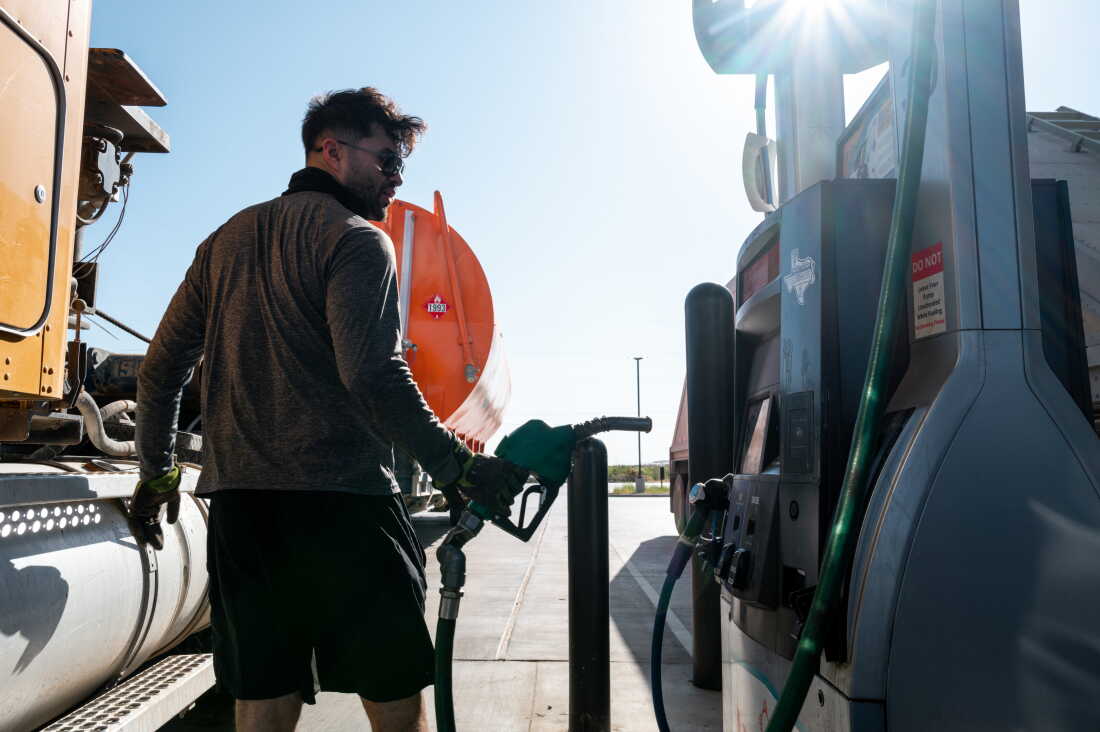
Key Drivers Behind the Record High
- Geopolitical Tensions in the Strait of Hormuz: The ongoing conflict involving Iran has severely restricted shipping through this critical chokepoint, through which about 20% of global oil passes. This has constrained crude oil flows and, consequently, diesel production.
- Ukrainian Attacks on Russian Refineries: Recent strikes have taken many Russian diesel refineries offline, reducing exports. Russia has even begun importing fuel from India, Kazakhstan, and Belarus to meet domestic demand, tightening global supply.
- Refinery Production Shifts: With jet fuel prices doubling since the war began, US refiners have been incentivized to produce more jet fuel instead of diesel, reducing diesel output and market availability.
- Asian Export Limitations: Several Asian refineries have cut back on diesel exports, further squeezing the global market and leaving fewer alternative sources for importing countries.
- Seasonal Demand Pressures: Diesel demand typically rises in the fall for harvest season, when 75% of agricultural equipment runs on diesel. Additionally, heating oil—chemically similar to diesel—sees increased demand as winter approaches, keeping prices elevated.
- Supply Chain Vulnerability: Diesel is essential for the "three T's" of the economy: trains, tractors, and trucks. Any price increase directly impacts the cost of moving goods, from farm to supermarket, and beyond.
- Inflationary Pressures: With overall inflation at 3.4% over the past year, higher diesel costs are exacerbating budget strains, particularly for lower-income households, as energy prices rise faster than other goods.

In-Depth Analysis: The Economic Ripple Effect
The record diesel price is more than a headline—it's a fundamental shift with far-reaching economic consequences. Diesel fuels the logistics that underpin modern commerce; when its cost rises, the increase is passed down the supply chain. This means higher prices for food, manufactured goods, and everyday essentials, potentially fueling sustained inflation. The Federal Reserve Bank of New York has noted that energy price spikes disproportionately affect lower-income households, who spend a larger share of their income on necessities.
Moreover, the current crisis highlights the fragility of global energy interdependence. The simultaneous disruption of supply routes in the Middle East and production capacity in Russia creates a perfect storm that no single market can easily mitigate. While the US has some domestic refining capacity, it remains vulnerable to global price signals. The shift toward jet fuel production, driven by wartime demand, illustrates how market incentives can inadvertently reduce diesel supply, exacerbating shortages.
Looking ahead, the outlook is uncertain. Seasonal factors could keep prices high through fall and winter, and geopolitical tensions show no immediate signs of resolution. However, this crisis may accelerate investments in alternative fuels and more resilient supply chains. For now, businesses and consumers alike must brace for higher costs, and policymakers face pressure to address energy security without stifling economic growth.

Frequently Asked Questions
Why is diesel more expensive than gasoline? Diesel and gasoline are refined from crude oil but have different properties and uses. Diesel is heavily used in commercial transportation and agriculture, which are essential to the supply chain. Global supply constraints, such as reduced refinery output and geopolitical disruptions, have hit diesel harder than gasoline, driving its price higher.
How will high diesel prices affect my daily life? Higher diesel costs trickle down to nearly everything you buy. Transportation costs increase, which raises the price of goods in stores. Additionally, food prices may rise because farming equipment relies on diesel. School districts may also face budget cuts, potentially affecting bus routes or extracurricular activities.
Will diesel prices drop soon? It's difficult to predict. Prices may remain high through the fall harvest and winter heating seasons. If geopolitical tensions ease and refineries increase diesel production, prices could stabilize. However, any further disruptions to supply chains could keep prices elevated for an extended period.
Source: https://www.npr.org/2026/09/04/nx-s1-5948016/diesel-price-record-high
Related posts

Noah Adams: NPR Icon And Voice For Rural America
Explore the legacy of NPR's Noah Adams, a master storyteller who captured the soul of rural America and shaped public radio journalism for decades.

Social Security Benefits Boost, Russia-Ukraine War Updates, And Global Geopolitical Shifts
Explore the latest Social Security increase, the strategic implications of Russia's Starshield, and the Houthis' attack on Aramco in this comprehensive global analysis.

COP17: Critical Moment for Biodiversity Framework Implementation
As the Kunming-Montreal Global Biodiversity Framework faces implementation challenges, COP17 must deliver concrete solutions to address funding gaps, subsidy reforms, and global cooperation.

Iran's Deep Involvement in Yemen Conflict and Egypt's Potential Military Intervention
Saudi Arabia faces critical shortages in air defense due to Houthi attacks, prompting urgent requests for help. Reports reveal Iran's intelligence support for Houthi strikes, while Egypt prepares to defend Saudi sovereignty.
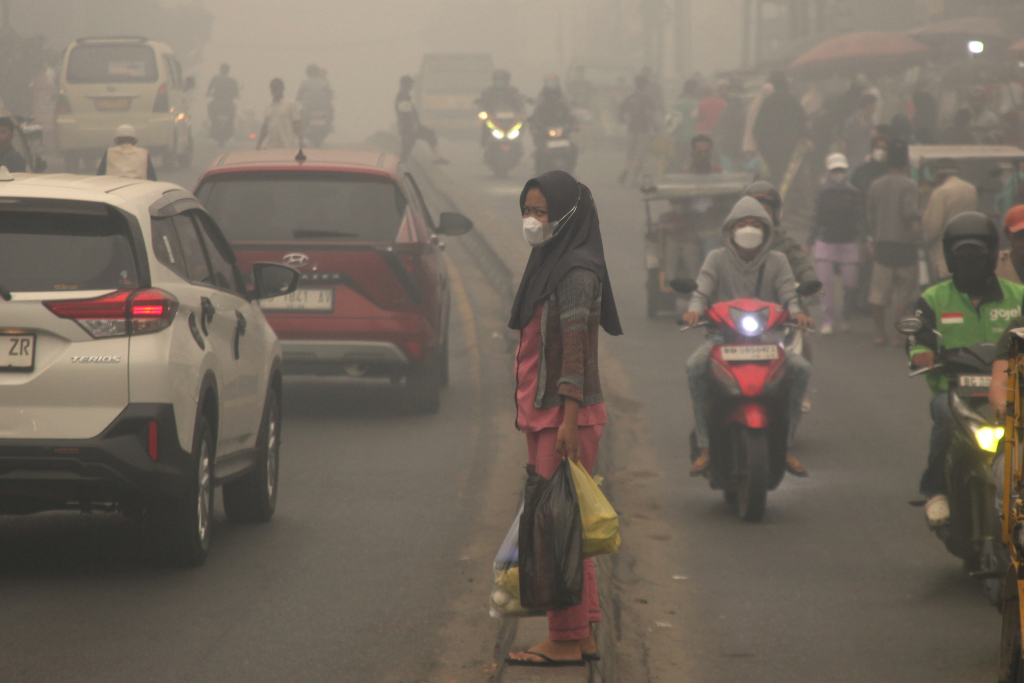
Haze from Kalimantan Forest Fires Reaches Jakarta Sky
Smoke from massive forest fires in Kalimantan, Indonesia, has drifted over the capital, Jakarta, creating hazardous air quality conditions and affecting neighboring Singapore and Malaysia.

France Protests 2026: Mass Demonstrations Over Living Costs and Education
Hundreds arrested in France as millions march against fuel prices, education cuts, and public service reforms. Explore the latest updates.

Trump Signs Executive Order to Waive Key Sanctions on Russia Amid Energy Crisis
Trump administration exempts major parts of the Graham Bill, including 500% tariffs on Russian imports, to stabilize domestic fuel markets.

LDP Senior Official Visits Yasukuni Shrine Amid Rising Regional Tensions
Analysis of the recent high-profile visits to Yasukuni Shrine by Japanese LDP leadership, including Katsunobu Kato and Masako Okada, and their implications for regional diplomacy.
Latest Articles
- Merck CEO: Cancer Vaccine Production Timeline to Shorten
- Porsche Unveils Mission S Concept: New Flagship Design Direction
- AI Startup Bankruptcies: The Reverse Acquihire Trend Explained
- IMF Secretary-General Warns: Strait of Hormuz Risks Remain High Amid Rising Attacks
- Trump's AI to SI Rename: Political Theater or Tech Revolution?
- KFC Switches to Coca-Cola After Decades-Long Partnership with Pepsi