Netanyahu Says Toppling Iran's Regime Is Israel's Core Goal
Israeli PM Netanyahu declares regime change in Iran as Israel's core objective, claiming Tehran's leadership is vulnerable. Tensions rise as IDF targets Hezbollah tunnels in Lebanon.
Source: thepaper.cn
In a dramatic escalation of rhetoric, Israeli Prime Minister Benjamin Netanyahu declared that toppling the Iranian regime is now Israel's central objective, a goal he described as "within reach." Speaking at an IDF General Staff event in Tel Aviv on September 3, 2026, Netanyahu asserted that Iran's leadership is "more fragile than ever" and "fighting for survival." This statement comes amid heightened military operations along Israel's northern border and a fragile ceasefire framework with Lebanon.
The timing is critical: just days after a U.S.-brokered framework agreement between Israel, Lebanon, and Hezbollah, the region remains on edge. Netanyahu's bold declaration signals a strategic shift from containment to active regime change, raising questions about the potential for a wider conflict. With Iran warning of retaliation and Israel vowing to strike all Iranian infrastructure, the Middle East stands at a precipice.
Key Points
-
Netanyahu's Core Objective: The Israeli Prime Minister stated that removing the Iranian regime is Israel's primary national security goal. He argued that the current Iranian leadership is weaker than ever, making this an opportune moment for regime change. This marks a significant escalation in Israel's official stance toward Iran, moving from covert actions to an explicit policy goal.
-
IDF Operations in Lebanon: The Israeli military announced it had taken control of two Hezbollah underground tunnels beneath the Ali Taher ridge in southern Lebanon, describing them as part of a network being "destroyed." The tunnels reportedly featured command centers, weapons depots, and living quarters, built over 20 years with Iranian funding. This operation underscores the ongoing threat posed by Hezbollah's military infrastructure, even as diplomatic efforts proceed.
-
Iran's Warning to the U.S.: According to The Times of Israel, Iran warned the United States that it would respond forcefully if Israel attacked targets under the Ali Taher ridge. This indirect communication highlights the role of the U.S. as a mediator and potential target of Iranian retaliation, complicating Washington's position in the region.
-
Israel's Deterrence Message: Defense Minister Israel Katz responded to Iran's warning by threatening to strike all Iranian infrastructure, including energy facilities, if Iran attacks Israel. This exchange of threats illustrates the high-stakes brinkmanship between the two nations, with each side seeking to establish red lines.
-
Violations of the Ceasefire Framework: The framework agreement, reached on June 26 in Washington, envisioned an Israeli withdrawal from parts of southern Lebanon, with the Lebanese army taking over security. However, Israeli forces have continued to conduct military strikes on Lebanese targets, raising concerns about the durability of the agreement and the potential for renewed hostilities.
Regional Context: The developments occur against a backdrop of ongoing tensions across the Middle East, including the Israeli-Palestinian conflict and Iran's nuclear program. Netanyahu's statements may also be aimed at domestic audiences, as he faces political challenges at home. The convergence of these factors makes the current situation particularly volatile.
Deep Analysis
Netanyahu's declaration that regime change in Iran is "within reach" is a calculated gamble that reflects both opportunity and desperation. On one hand, Iran is indeed under significant pressure: international sanctions, domestic protests, and economic hardship have weakened the regime's grip. On the other hand, the Israeli Prime Minister's rhetoric may be designed to rally domestic support and project strength ahead of potential elections. However, the claim that the goal is "within reach" is highly optimistic; Iran's government has survived decades of external pressure, and its military capabilities remain formidable.
The focus on Hezbollah's tunnels in southern Lebanon suggests that Israel is preparing for a multi-front conflict. By targeting these tunnels, Israel aims to degrade Hezbollah's ability to launch surprise attacks, but this also risks triggering a broader war with Lebanon. The framework agreement, already fragile, could collapse if Israel continues its strikes. This creates a paradox: Israel seeks to deter Iran by demonstrating resolve, yet its actions may inadvertently unite Iranian hardliners and Hezbollah, making regime change even less likely.
From a global perspective, the United States is caught in a delicate balancing act. While it supports Israel's right to self-defense, it also seeks to avoid a full-scale regional war that could disrupt oil supplies and draw in other actors. The Iranian warning to the U.S. indicates that Washington is not seen as a neutral party, which could undermine its mediation efforts. Moreover, any Israeli strike on Iranian infrastructure would likely provoke a severe response, potentially escalating into a direct Israel-Iran conflict with catastrophic consequences.
Looking ahead, the next few months will be crucial. If Israel continues to press its military advantage while diplomatic channels remain open, there is a slim chance of containing the situation. However, the rhetoric of regime change raises the stakes significantly. The international community must urge restraint and push for a comprehensive diplomatic solution that addresses both Israel's security concerns and Iran's regional ambitions. Without such efforts, the region may slide into another devastating war.
Frequently Asked Questions
What does Netanyahu mean by "toppling the Iranian regime"? Netanyahu is calling for a change in Iran's government, likely through a combination of internal unrest and external pressure. He believes the current leadership is vulnerable and that Israel can accelerate its collapse by targeting Iranian assets and proxies. However, this is a highly ambitious goal that would require sustained international support and a coordinated strategy.
Is Israel actually planning to attack Iran directly? While Israel has not announced an immediate attack, its military operations in Lebanon and its rhetoric suggest that it is preparing for potential strikes on Iranian facilities, possibly including nuclear sites. The threat to hit all Iranian infrastructure indicates a willingness to escalate, but direct conflict carries enormous risks for both sides. Diplomatic channels remain open, but the window for a peaceful resolution is narrowing.
Source: https://www.thepaper.cn/newsDetail_forward_34006850
Related posts

Noah Adams: NPR Icon And Voice For Rural America
Explore the legacy of NPR's Noah Adams, a master storyteller who captured the soul of rural America and shaped public radio journalism for decades.

Social Security Benefits Boost, Russia-Ukraine War Updates, And Global Geopolitical Shifts
Explore the latest Social Security increase, the strategic implications of Russia's Starshield, and the Houthis' attack on Aramco in this comprehensive global analysis.

COP17: Critical Moment for Biodiversity Framework Implementation
As the Kunming-Montreal Global Biodiversity Framework faces implementation challenges, COP17 must deliver concrete solutions to address funding gaps, subsidy reforms, and global cooperation.
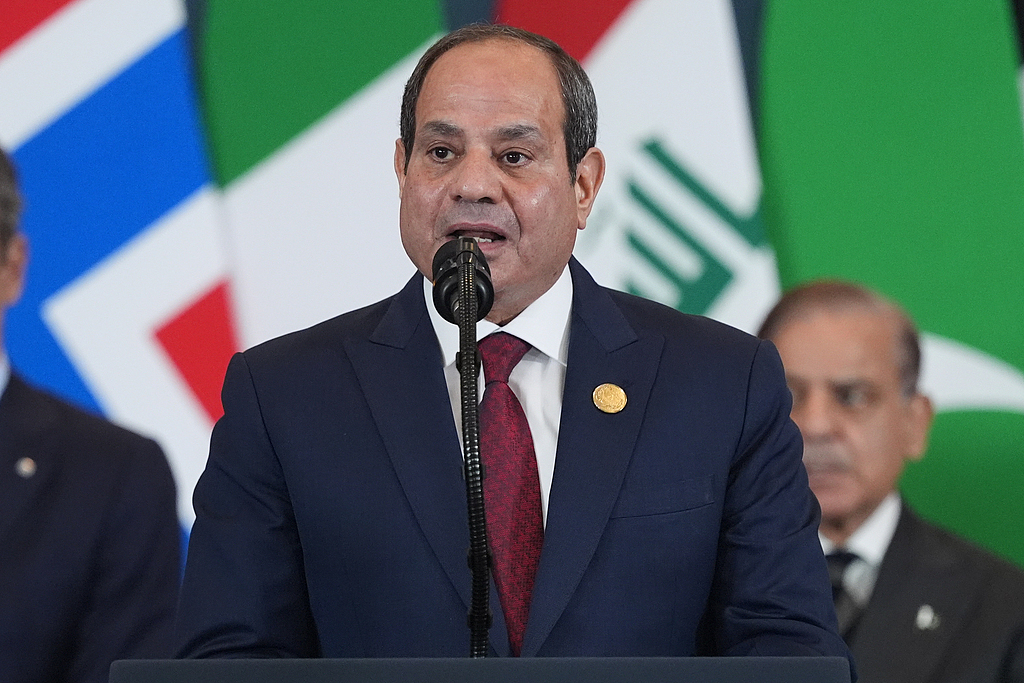
Iran's Deep Involvement in Yemen Conflict and Egypt's Potential Military Intervention
Saudi Arabia faces critical shortages in air defense due to Houthi attacks, prompting urgent requests for help. Reports reveal Iran's intelligence support for Houthi strikes, while Egypt prepares to defend Saudi sovereignty.
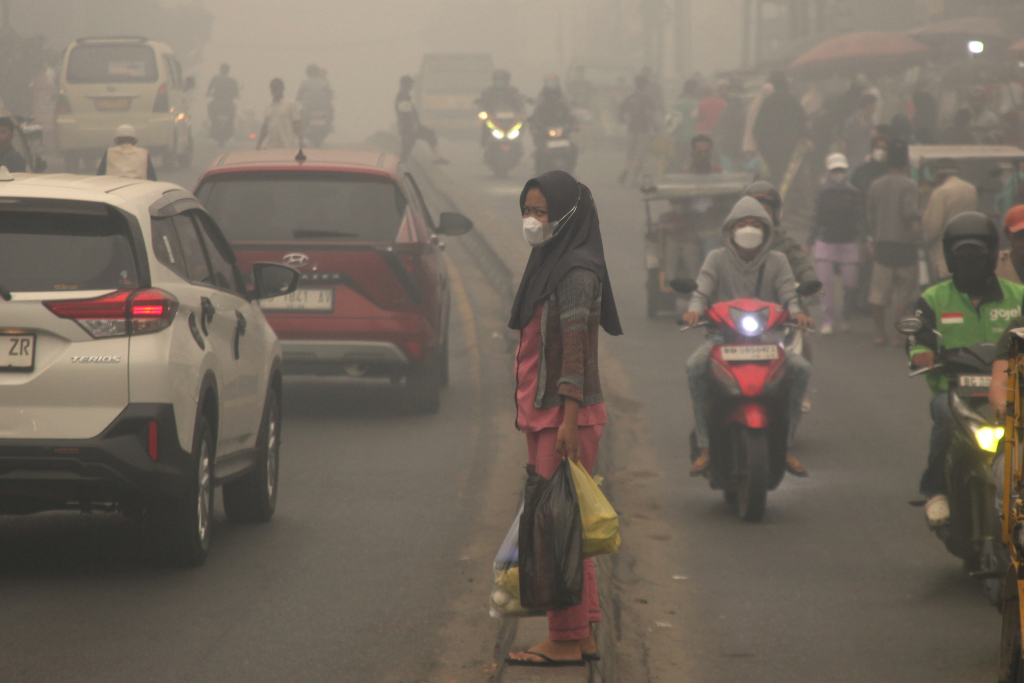
Haze from Kalimantan Forest Fires Reaches Jakarta Sky
Smoke from massive forest fires in Kalimantan, Indonesia, has drifted over the capital, Jakarta, creating hazardous air quality conditions and affecting neighboring Singapore and Malaysia.
France Protests 2026: Mass Demonstrations Over Living Costs and Education
Hundreds arrested in France as millions march against fuel prices, education cuts, and public service reforms. Explore the latest updates.
Trump Signs Executive Order to Waive Key Sanctions on Russia Amid Energy Crisis
Trump administration exempts major parts of the Graham Bill, including 500% tariffs on Russian imports, to stabilize domestic fuel markets.

LDP Senior Official Visits Yasukuni Shrine Amid Rising Regional Tensions
Analysis of the recent high-profile visits to Yasukuni Shrine by Japanese LDP leadership, including Katsunobu Kato and Masako Okada, and their implications for regional diplomacy.
Latest Articles
- Merck CEO: Cancer Vaccine Production Timeline to Shorten
- Porsche Unveils Mission S Concept: New Flagship Design Direction
- AI Startup Bankruptcies: The Reverse Acquihire Trend Explained
- IMF Secretary-General Warns: Strait of Hormuz Risks Remain High Amid Rising Attacks
- Trump's AI to SI Rename: Political Theater or Tech Revolution?
- KFC Switches to Coca-Cola After Decades-Long Partnership with Pepsi