WNBA Commissioner Cathy Engelbert to Retire: End of an Era of Unprecedented Growth
Cathy Engelbert announces retirement as WNBA commissioner at end of 2026, leaving a legacy of record growth, expansion, and labor gains, but also player friction.
Source: CNBC
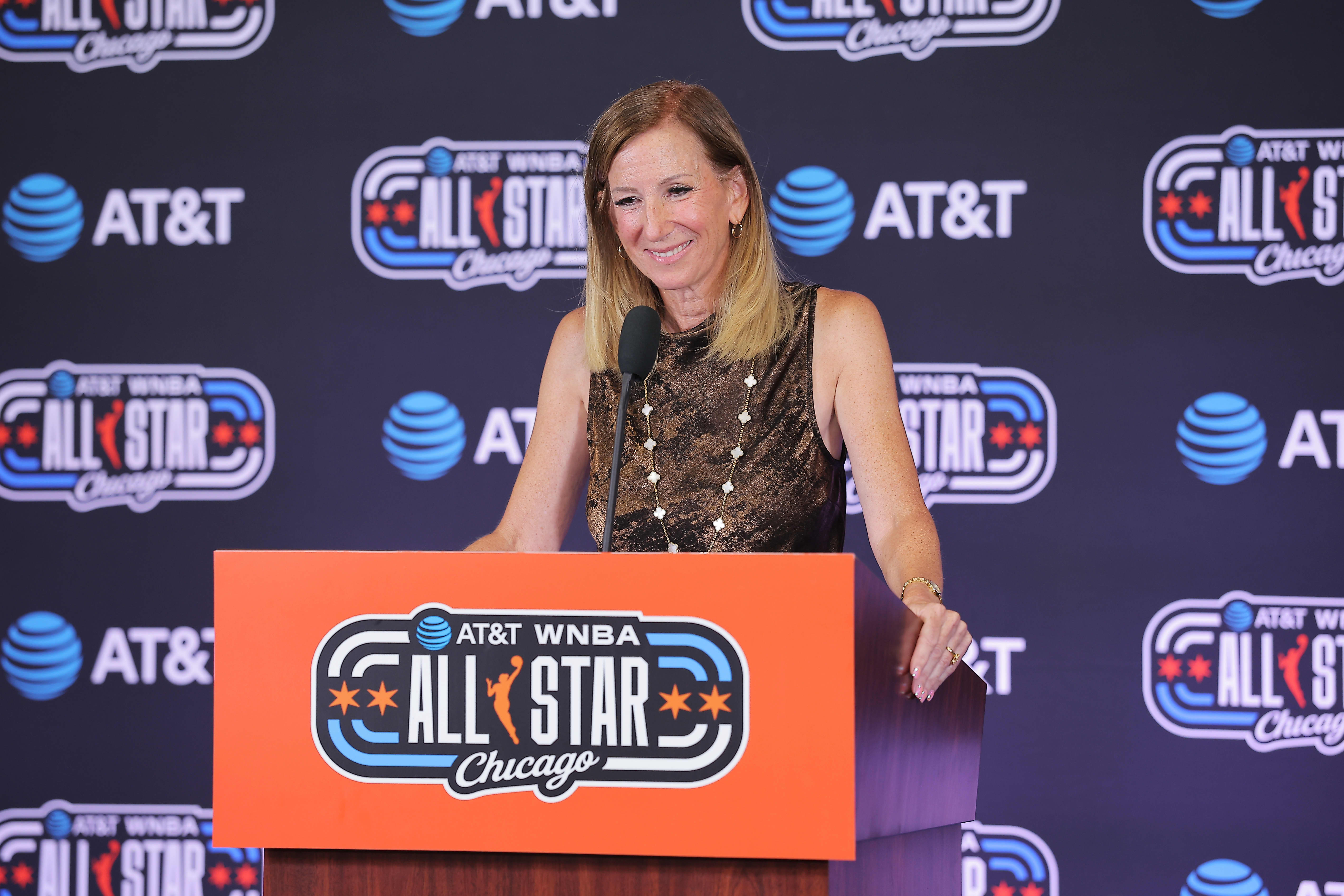
The WNBA is at a crossroads. As the league basks in the glow of record viewership, soaring franchise valuations, and a landmark collective bargaining agreement, its longest-serving commissioner is stepping down. On Friday, the league announced that Cathy Engelbert will retire at the end of 2026, a decision that closes a chapter defined by explosive growth but also marked by internal tensions with the very players who fueled that success.
Engelbert's tenure, which began in 2019, transformed the WNBA from a niche sports property into a cultural powerhouse. Yet her legacy is complex, shadowed by player criticism over compensation, officiating, and her handling of social issues. As the league prepares for a new era of expansion and labor peace, the question now is who will lead the WNBA through its next phase—and whether they can unite a fractured relationship between leadership and the athletes.
Key Highlights
-
Record Growth Under Engelbert: Since 2019, WNBA viewership has skyrocketed by 454%, and attendance has climbed about 70%. The league's expansion from 12 to 18 teams by 2030, including the addition of the Golden State Valkyries in 2025, has significantly boosted the league's financial footprint.
-
Soaring Franchise Values: According to CNBC's 2026 WNBA team valuations, the average team is now worth $460 million. The Valkyries became the first women's team in any sport to hit a $1 billion valuation, a testament to the league's newfound commercial appeal.
-
Landmark CBA and Pay Increases: Engelbert helped negotiate a historic collective bargaining agreement earlier this year, delivering the largest pay raises in WNBA history. WNBPA President Nneka Ogwumike highlighted the significance: "Being able to have your worth tied mostly in your salary is all that we've been fighting for."
-
Player Friction and Criticism: Despite these achievements, Engelbert faced repeated backlash from players. Minnesota Lynx star Napheesa Collier famously stated, "We have the best players in the world. We have the best fans in the world. But, right now, we have the worst leadership in the world." Complaints centered on benefits, protections, and her response to racism and online harassment.
-
Controversy Over Transgender Athletes: In recent weeks, Engelbert drew criticism for her handling of political protests regarding transgender women in sports, an issue that overshadowed the season despite no known trans players in the league.
-
NBA Support and Legacy: NBA Commissioner Adam Silver praised Engelbert's leadership during "the most significant period of growth in the league's 30-year history," acknowledging her "unwavering commitment to the advancement of women's basketball."
-
Engelbert's Optimistic Farewell: In her retirement statement, Engelbert expressed gratitude and optimism: "I retire knowing we have built something bigger, stronger and more enduring than we could have imagined."
In-Depth Analysis
Engelbert's departure marks a pivotal moment for the WNBA, which has ridden a wave of cultural momentum but now faces the challenge of sustaining it. Her tenure saw the league's commercial value explode, driven by increased media exposure, star power (like Caitlin Clark and Angel Reese), and a broader societal shift toward women's sports. The $1 billion valuation of the Valkyries is a milestone that would have been unthinkable a decade ago, signaling that investors now see women's basketball as a viable, lucrative asset.
However, the disconnect between the league's business success and player satisfaction is a critical flaw. Players have consistently argued that the league's infrastructure—charter flights, marketing, and health benefits—has not kept pace with its revenue growth. Engelbert's rocky relationship with players, often framed as a failure to listen, could serve as a cautionary tale for her successor. The new commissioner will need to bridge this gap, ensuring that the athletes who drive the product feel valued and protected.
Looking ahead, the WNBA's expansion to 18 teams by 2030 offers immense opportunities, but also logistical and competitive challenges. The league must also navigate politically charged issues, such as the transgender debate, with more deftness than Engelbert did. Her perceived inaction on such matters risked alienating both players and fans. The next leader will need to be a diplomat as much as a business executive, balancing commercial interests with social responsibility.
The timing of the announcement—just after the CBA and before the 2026 season concludes—suggests a deliberate effort to allow a smooth transition. Engelbert leaves on a high note of financial success, but her legacy will be debated. Some will remember her as the architect of the WNBA's golden era; others will recall the unresolved tensions with the players. The search for her successor will be closely watched, as the choice will signal whether the league prioritizes continued growth or repairing its internal culture.
Frequently Asked Questions
Why is Cathy Engelbert retiring now?
Engelbert's retirement at the end of 2026 comes after a period of unprecedented league growth, including a new CBA and expansion plans. While the official reason is personal, it follows months of criticism from players over her leadership, which may have influenced her decision to step down.
Who will replace Engelbert as WNBA commissioner?
No successor has been announced yet. The league will likely conduct a search for a candidate with strong business acumen and the ability to build trust with players. Names from both sports and corporate backgrounds are expected to be considered.
What are the biggest challenges facing the next commissioner?
The next commissioner must address player concerns about compensation and benefits, manage the league's rapid expansion, and navigate politically sensitive issues like transgender participation in sports, all while maintaining the league's commercial momentum.
Source: https://www.cnbc.com/2026/09/04/wbna-commissioner-cathy-engelbert-to-retire-at-the-end-of-2026-.html
Related posts

Oil Exports Plummet as Iran Increases Attacks in Strait of Hormuz
Three oil tankers hit by mines in one week, causing a sharp drop in global crude exports. Read the analysis of the escalating crisis.

Food Bank Lines Surge Ahead of Midterms: US Families Face Inflation and Welfare Cuts
As inflation and federal budget cuts tighten their grip, long lines are forming at US food banks. This is the reality facing American families ahead of the 2026 midterm elections.

High-and-Mighty Cabinet: More Officials Visit Yasukuni Shrine Amid Rising Controversy
Environment Minister Miyamoto Hiroyuki joins a growing list of conservative politicians visiting Yasukuni Shrine, sparking diplomatic tensions and domestic debate.

Shanghai's Cultural Renaissance: Festival, Theater, and Consortium Illuminate the City's Artistic Future
Exploring how Shanghai's 25th International Arts Festival, Grand Theater, and Performing Arts Consortium are transforming the city into a global cultural hub through innovative programming and accessible art experiences.
Japan's High-profile Yasukuni Shrine Visit: A Challenge to Post-War Order
Prime Minister Sanae Takaichi and over 70 lawmakers attend the autumn festival, provoking international condemnation.
Netflix cuts 1,000 jobs as streaming growth slows and competition intensifies
Netflix lays off 6% of its workforce amid stagnating viewership and the rise of competitors like Skydance and YouTube.

U.S. Loosens Fuel Economy Rules: Boost for V-8 Engines and Pickup Trucks
The U.S. lowers fuel economy targets to 34.9 mpg by 2031. Automakers see a financial tailwind, leading to a resurgence of V-8 engines and a shift away from compliance-focused EV investments.

Noah Adams: NPR Icon And Voice For Rural America
Explore the legacy of NPR's Noah Adams, a master storyteller who captured the soul of rural America and shaped public radio journalism for decades.
Latest Articles
- Social Security Benefits Boost, Russia-Ukraine War Updates, And Global Geopolitical Shifts
- COP17: Critical Moment for Biodiversity Framework Implementation
- Iran's Deep Involvement in Yemen Conflict and Egypt's Potential Military Intervention
- Haze from Kalimantan Forest Fires Reaches Jakarta Sky
- France Protests 2026: Mass Demonstrations Over Living Costs and Education
- Trump Signs Executive Order to Waive Key Sanctions on Russia Amid Energy Crisis