Birmingham Flag Ban Claim Fact-Check: What's True?
Did Birmingham ban UK flags in public? Fact-check reveals the injunction targets unauthorized banners, not patriotism. Learn the legal nuances.
Source: thepaper.cn
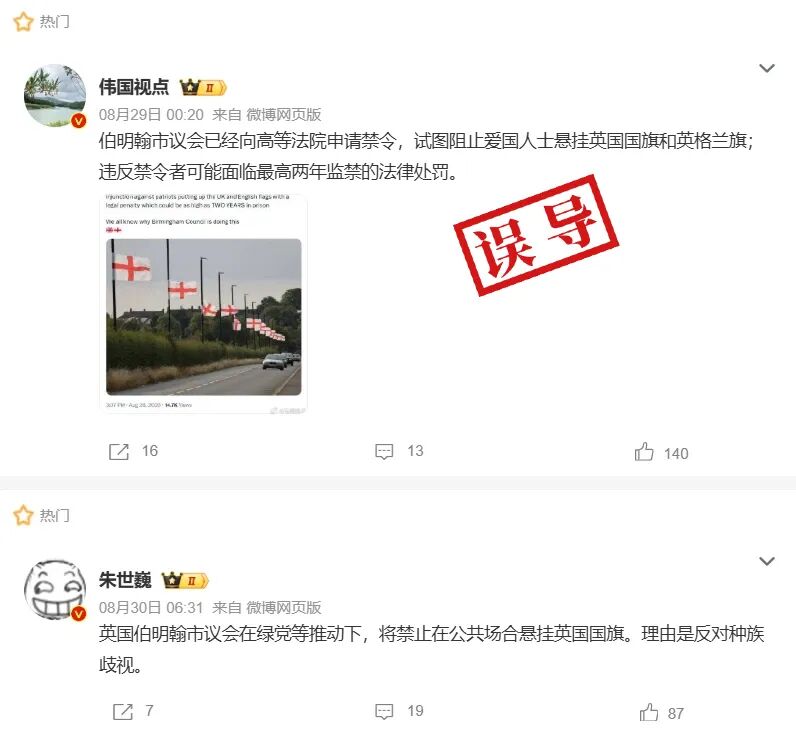
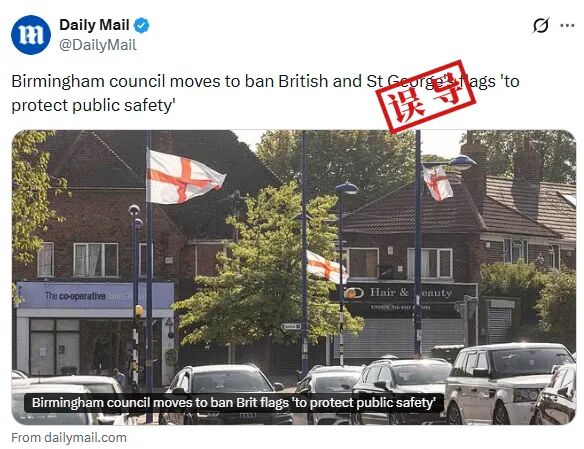
Social media is buzzing with claims that Birmingham City Council has banned the display of British and English flags in public spaces, with violators facing up to two years in prison. The story sounds alarming, but is it accurate? Let's separate fact from fiction and examine the actual legal request.
Core Facts
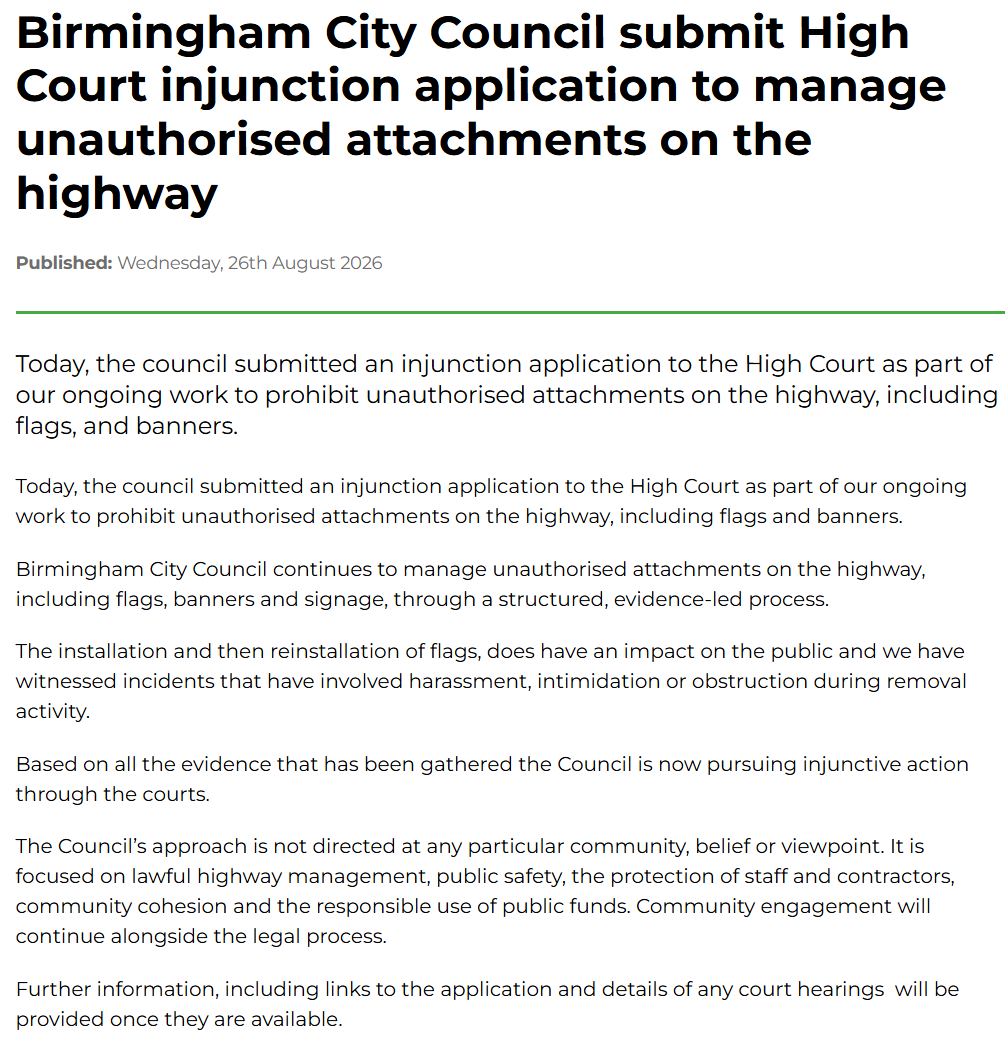
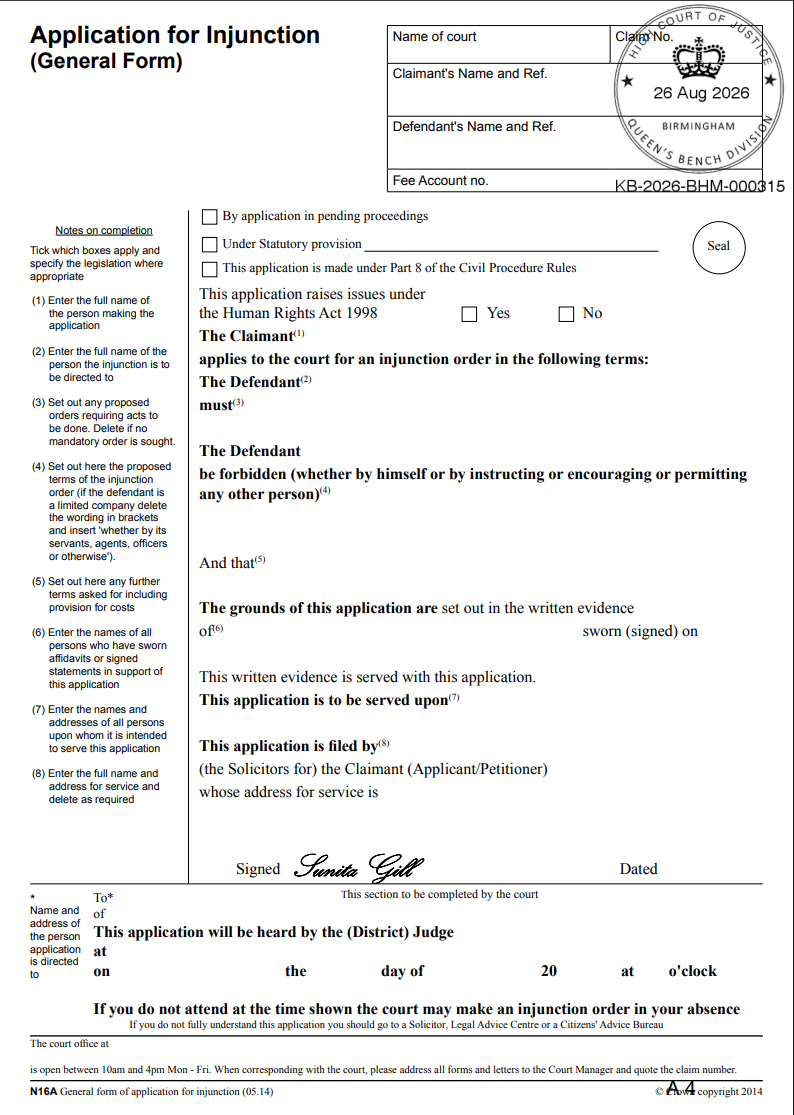
- Birmingham City Council did file an injunction application with the High Court on August 26, 2026. The application seeks to prohibit unauthorized hanging of flags, banners, and signs on public roads, along with related obstruction and harassment.
- The draft does not target the UK flag or any specific flag. It aims at any unauthorized signage on public highways, regardless of the message or symbol. The council explicitly states it is not commenting on the legality or appropriateness of views expressed through flags.
- The injunction is not a blanket ban on flag displays. It only applies to public roads and rights of way, not private property. Homeowners and businesses can still fly flags on their own premises.
- The "two-year prison sentence" claim is misleading. The injunction document does not explicitly mention a fixed penalty of two years. However, if the injunction is granted, violators could be held in contempt of court, which under the Contempt of Court Act 1981 carries a maximum sentence of two years.
- The application is still pending. The High Court has scheduled a hearing for September 8, 2026, in Birmingham. As of now, no injunction has been granted, and no one has been arrested or charged.
- The council's motivation is public safety. The application cites concerns about road obstructions, interference with council workers removing unauthorized flags, and alleged harassment by members of a group called "Raise the Colours" (RTC), which organizes flag displays across the UK.
- RTC's activities are controversial. Some view them as patriotic, while critics accuse them of nationalist intimidation targeting ethnic minorities. The council's legal move is a response to specific incidents, not a political statement.
Deep Dive
This case highlights a growing tension between public expression and public safety in the UK. The council's request is narrowly tailored to address repeated unauthorized installations on public roads, which can create hazards and disrupt traffic. However, the lack of clear communication from the council has allowed misinformation to spread, painting the move as an attack on national symbols.
Legally, the injunction is a civil measure, not a criminal law. The "two years" figure comes from the Contempt of Court Act, which is a standard consequence for disobeying court orders. This is a significant distinction: the council is not seeking to criminalize flag display per se, but to enforce compliance with road regulations.
The broader context is the rise of grassroots movements like RTC, which use flags as a symbol of identity. While the council's application is legally sound, it risks being perceived as curbing patriotic expression, especially in a climate of heightened nationalism and debates over immigration. The High Court's decision will set a precedent for how local authorities balance public order with freedom of expression.
Going forward, this case underscores the need for clear, transparent communication from public bodies to prevent misinformation. It also raises questions about the role of flags in public spaces and whether local governments should have the power to restrict them. As the hearing approaches, all eyes will be on Birmingham to see how the court navigates these sensitive issues.
Frequently Asked Questions
Is it now illegal to fly the England flag in Birmingham?
No. The injunction has not been granted yet, and even if it is, it would only apply to unauthorized displays on public roads, not private property. You can still fly flags on your own home or business.
What happens if someone violates the injunction once it's granted?
They could be arrested and brought to court for contempt of court, which carries a maximum penalty of two years in prison. However, the actual sentence would depend on the severity of the violation and the court's discretion.
Why is the council doing this?
The council claims it is responding to safety risks caused by repeated unauthorized flag installations on roads, which obstruct traffic and lead to confrontations. The application specifically mentions incidents involving the group "Raise the Colours."
Source: https://www.thepaper.cn/newsDetail_forward_34001865
Related posts

Food Bank Lines Surge Ahead of Midterms: US Families Face Inflation and Welfare Cuts
As inflation and federal budget cuts tighten their grip, long lines are forming at US food banks. This is the reality facing American families ahead of the 2026 midterm elections.
Oil Exports Plummet as Iran Increases Attacks in Strait of Hormuz
Three oil tankers hit by mines in one week, causing a sharp drop in global crude exports. Read the analysis of the escalating crisis.

High-and-Mighty Cabinet: More Officials Visit Yasukuni Shrine Amid Rising Controversy
Environment Minister Miyamoto Hiroyuki joins a growing list of conservative politicians visiting Yasukuni Shrine, sparking diplomatic tensions and domestic debate.

Shanghai's Cultural Renaissance: Festival, Theater, and Consortium Illuminate the City's Artistic Future
Exploring how Shanghai's 25th International Arts Festival, Grand Theater, and Performing Arts Consortium are transforming the city into a global cultural hub through innovative programming and accessible art experiences.

Japan's High-profile Yasukuni Shrine Visit: A Challenge to Post-War Order
Prime Minister Sanae Takaichi and over 70 lawmakers attend the autumn festival, provoking international condemnation.
Netflix cuts 1,000 jobs as streaming growth slows and competition intensifies
Netflix lays off 6% of its workforce amid stagnating viewership and the rise of competitors like Skydance and YouTube.
U.S. Loosens Fuel Economy Rules: Boost for V-8 Engines and Pickup Trucks
The U.S. lowers fuel economy targets to 34.9 mpg by 2031. Automakers see a financial tailwind, leading to a resurgence of V-8 engines and a shift away from compliance-focused EV investments.

Noah Adams: NPR Icon And Voice For Rural America
Explore the legacy of NPR's Noah Adams, a master storyteller who captured the soul of rural America and shaped public radio journalism for decades.
Latest Articles
- Social Security Benefits Boost, Russia-Ukraine War Updates, And Global Geopolitical Shifts
- COP17: Critical Moment for Biodiversity Framework Implementation
- Iran's Deep Involvement in Yemen Conflict and Egypt's Potential Military Intervention
- Haze from Kalimantan Forest Fires Reaches Jakarta Sky
- France Protests 2026: Mass Demonstrations Over Living Costs and Education
- Trump Signs Executive Order to Waive Key Sanctions on Russia Amid Energy Crisis